


How to Buy Wood Furniture: A Simple Guide to Lasting Pieces
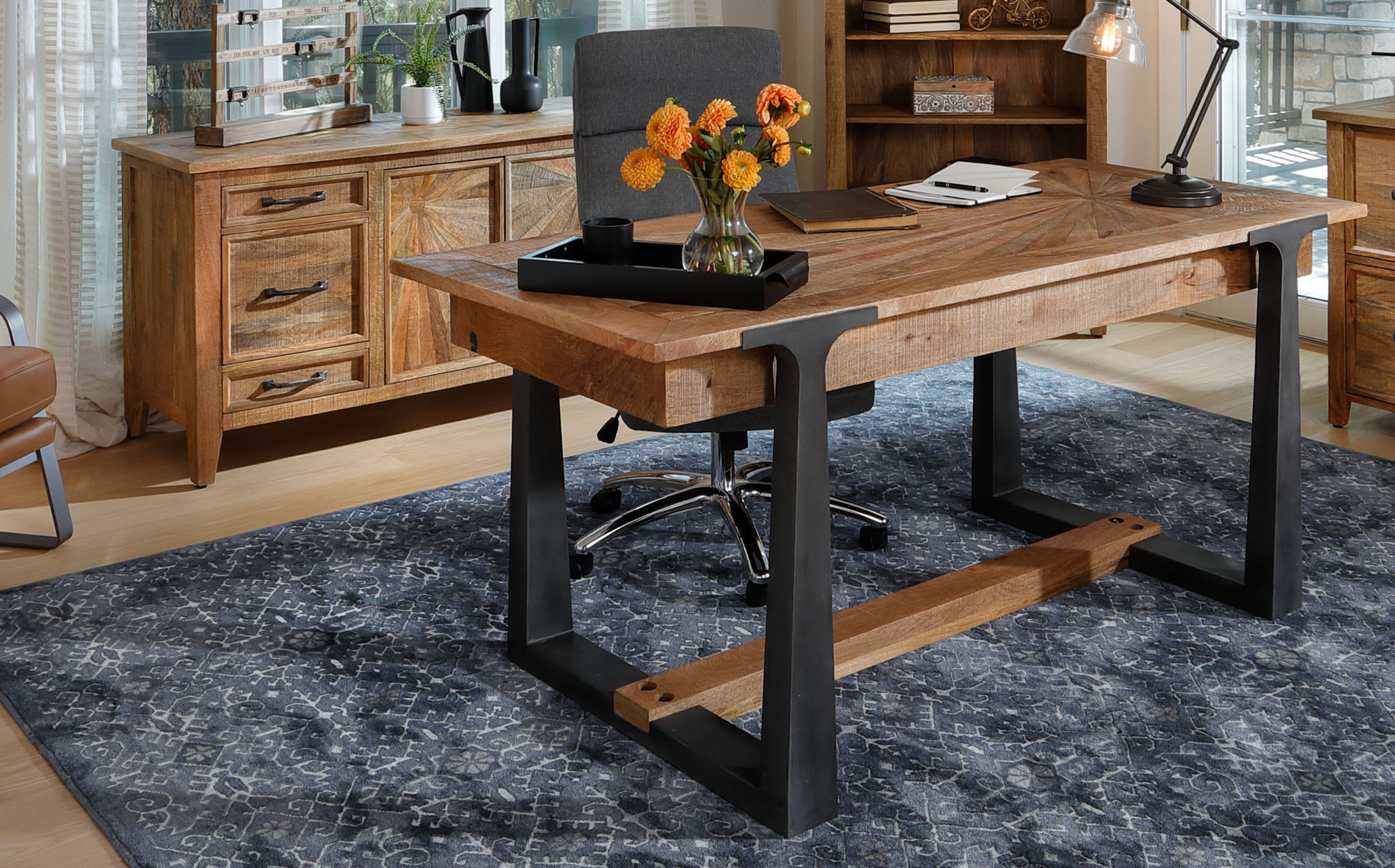
Wood furniture is one of the best investments you can make in your home, but it can be surprisingly confusing to shop for. Between “solid wood,” “hardwood,” “veneers,” and a dozen different species, it’s hard to know what actually matters (and what’s just marketing).
This guide walks you through how to shop for wood furniture with confidence, so you know what you’re paying for and how long it’s likely to last.
Why Wood Type Actually Matters
Here's the truth: not all wood furniture is built the same, and the difference between a piece that lasts a decade and one that lasts a lifetime often comes down to what it's made of.
Wood type affects durability, weight, how the piece holds up to everyday wear, and even how it ages over time. It also has a major impact on price, so knowing what you're looking at helps you spot real value and avoid overpaying for the wrong things.
Before you fall in love with a finish or a style, it pays to understand what's actually underneath it:

Hardwood & Softwood
- Hardwood is a hearty type of wood that comes from broad-leafed trees. Because it is so strong, hardwood is considered the highest quality furniture material, but it is also the most expensive. Common types include oak, walnut and cherry.
- Softwood is a lighter type of wood that comes from coniferous trees. While it is more affordable, softwood is generally considered a lower-quality option, as it is more prone to wear over time. Common types include pine, cedar, and fir.
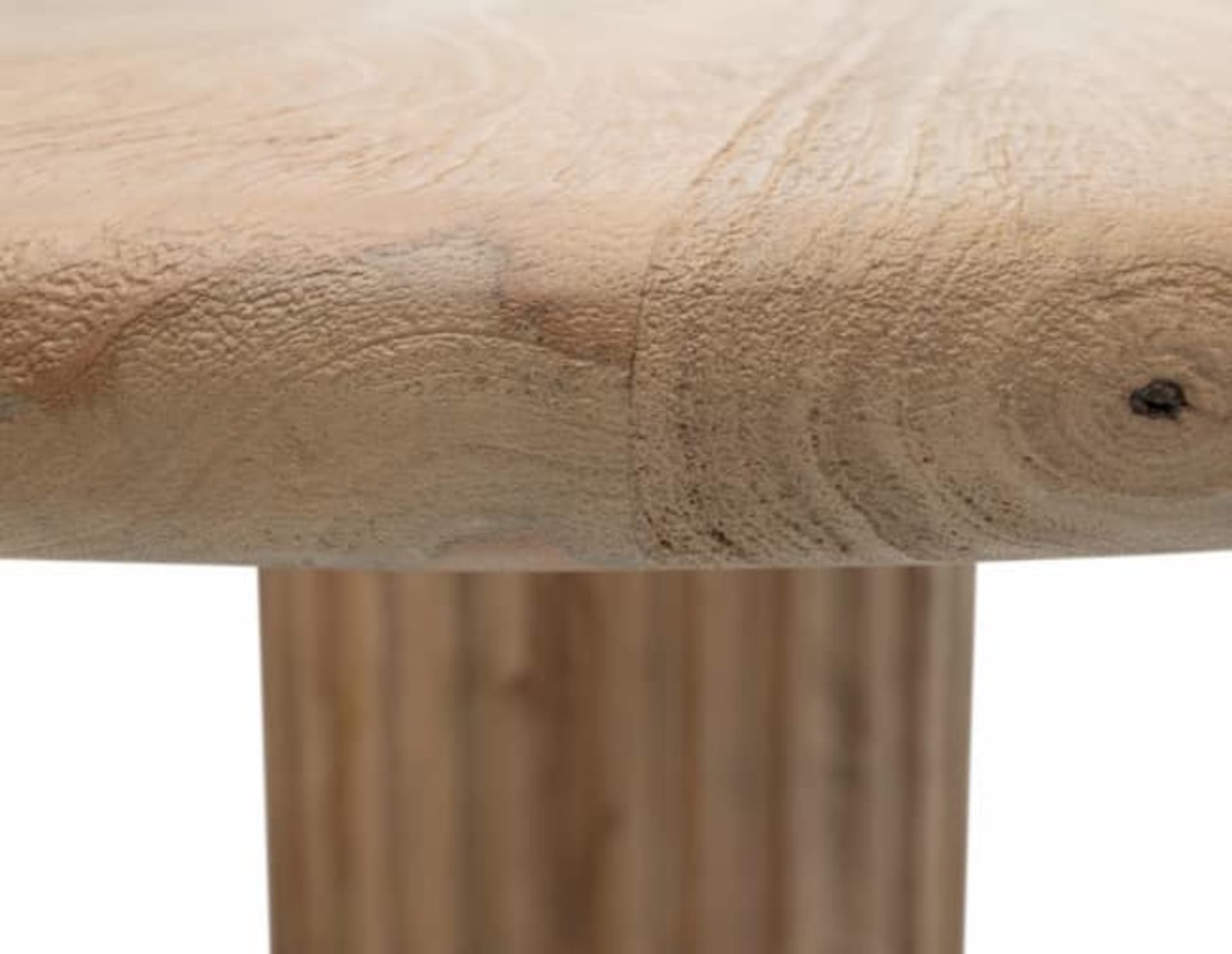
Engineered Wood
Engineered wood is wood which is created by binding pieces of scrap wood together with strong adhesive. Here’s a breakdown of common types:
- Particleboard is made by compressing wood chips, sawdust, and shavings together with resin binders under heat and pressure. It is the most affordable option, but it is also the least durable.
- MDF (Medium-Density Fiberboard) is made by breaking hardwood and softwood down into fibers, which are combined with resin under high heat and pressure. It is smoother, denser and more consistent than particleboard.
- Plywood is made by gluing thin layers of wood together at 90-degree angles so the grain alternates direction with each layer. This construction distributes stress evenly, giving plywood a strength that rivals some solid woods.
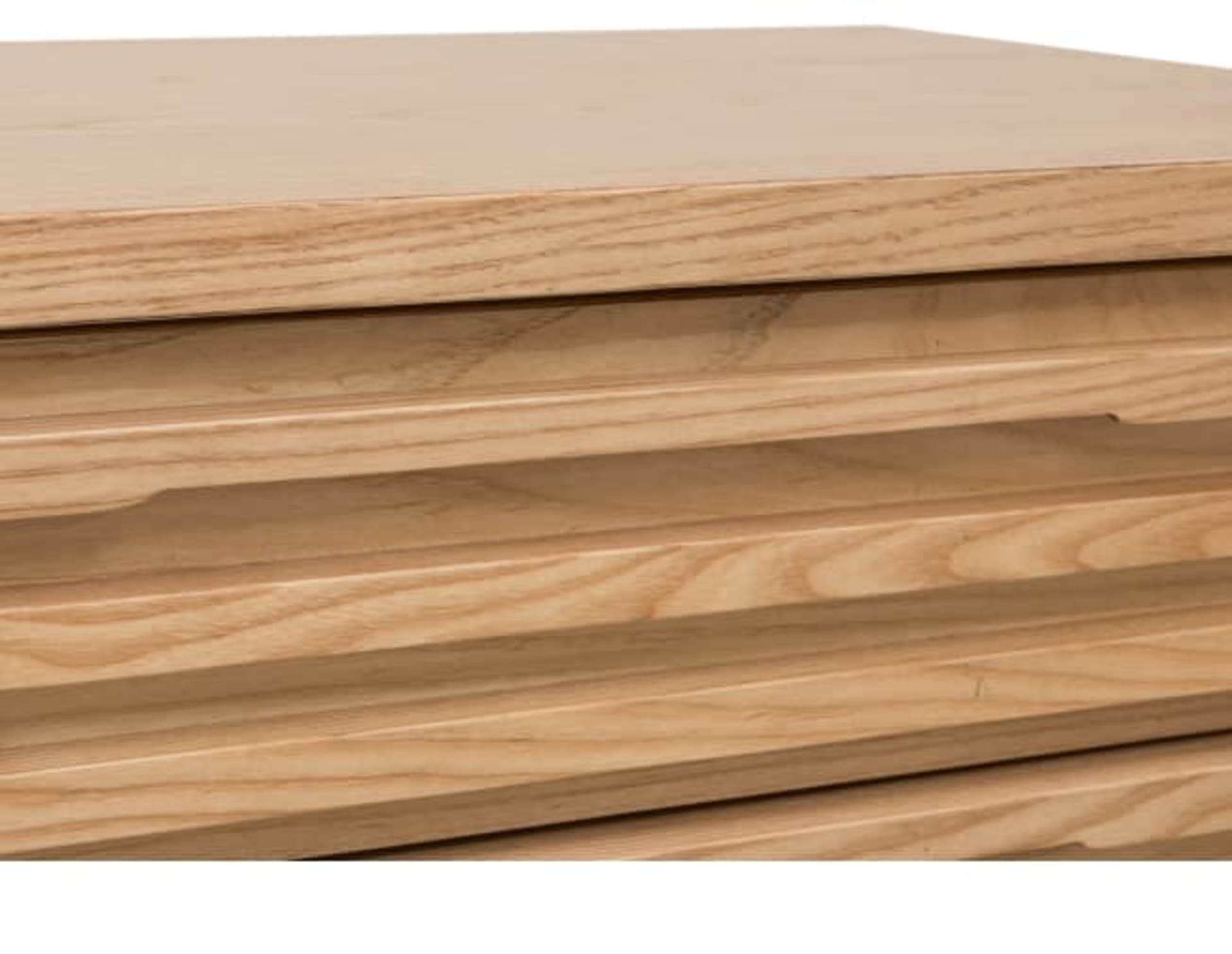
Common Types of Wood
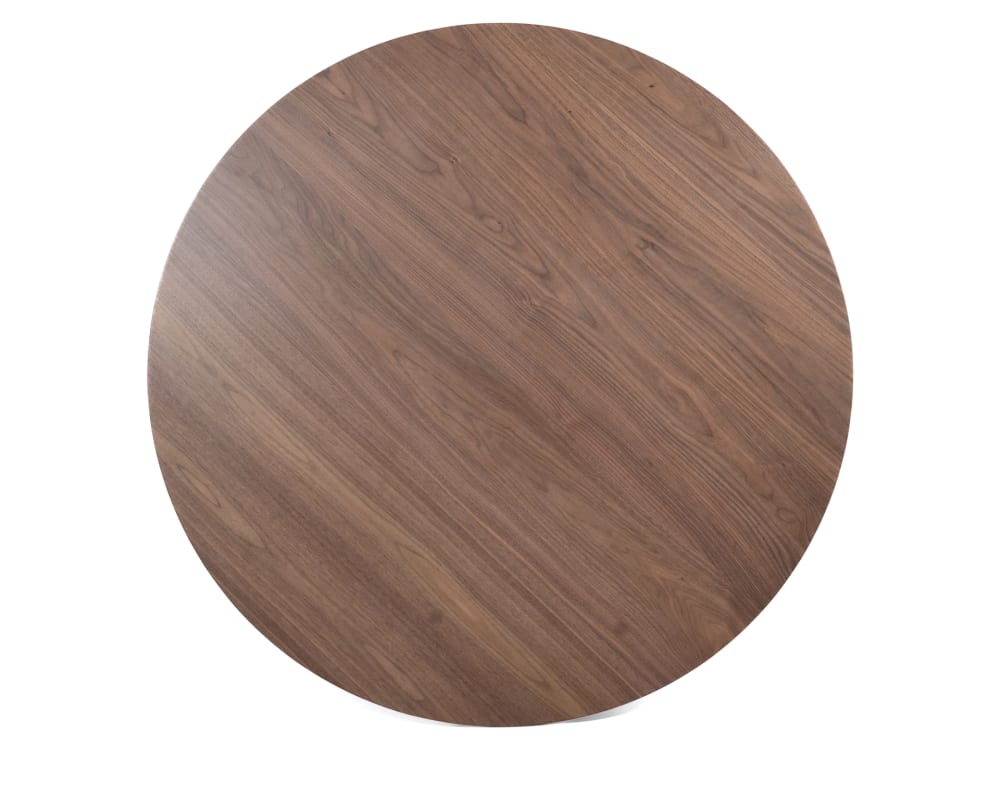
Walnut
Walnut is a dark, richly colored hardwood that’s prized for its strength and smooth, straight grain. You’ll often see walnut used in heirloom-quality tables and beds and as a luxe veneer that delivers a high-end look.
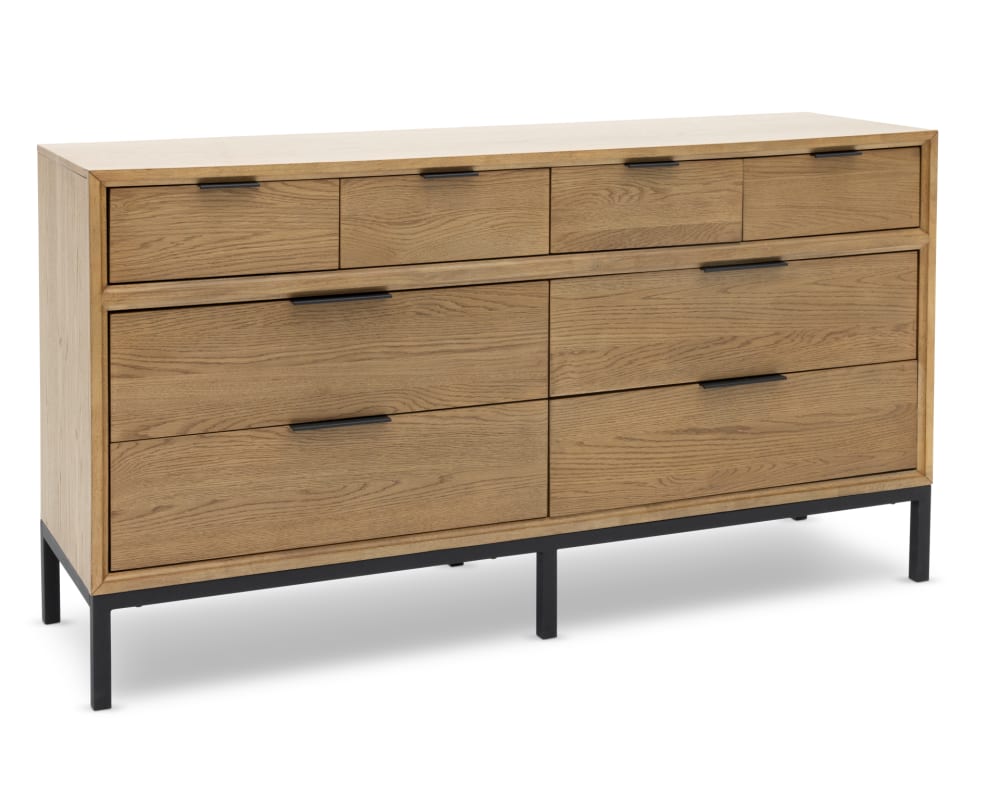
Oak
Oak is a timeless favorite for everyday furniture because it’s very durable and naturally resistant to wear. Its bold, visible grain adds character, whether it’s used as solid wood or as a veneer on cabinets, dressers, and dining sets.
Maple
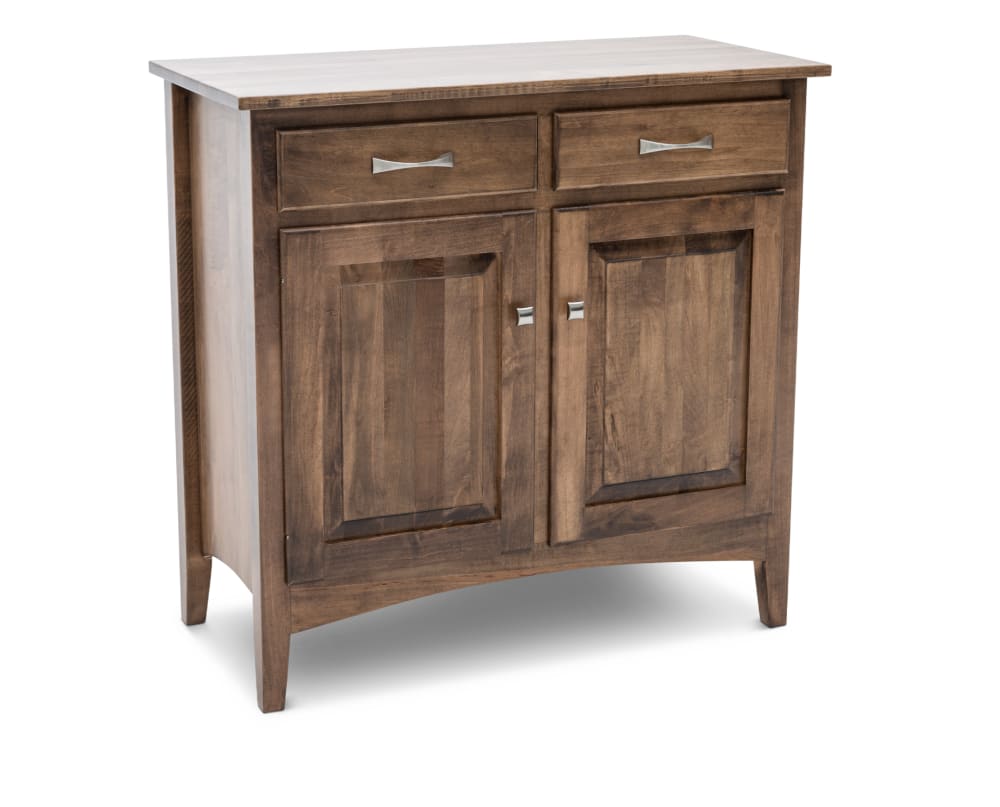
Maple is a dense, hard hardwood that stands up well to bumps, scratches, and busy family life. With its smooth, fine grain and light, even color, maple works beautifully in both modern designs and clean, classic veneers.
Mango
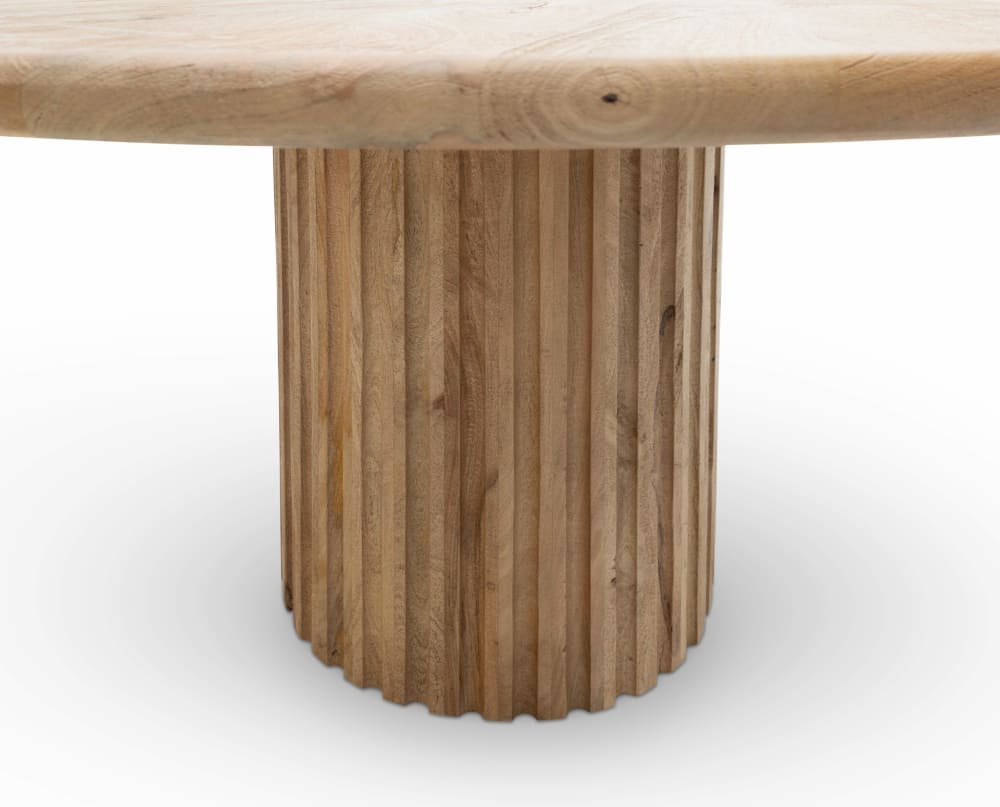
Mango is a sustainable hardwood with dense grain that makes it a strong, reliable choice for furniture. It offers warm golden-brown tones and eye-catching grain patterns, giving you a high-end look at a more approachable price.
Acacia
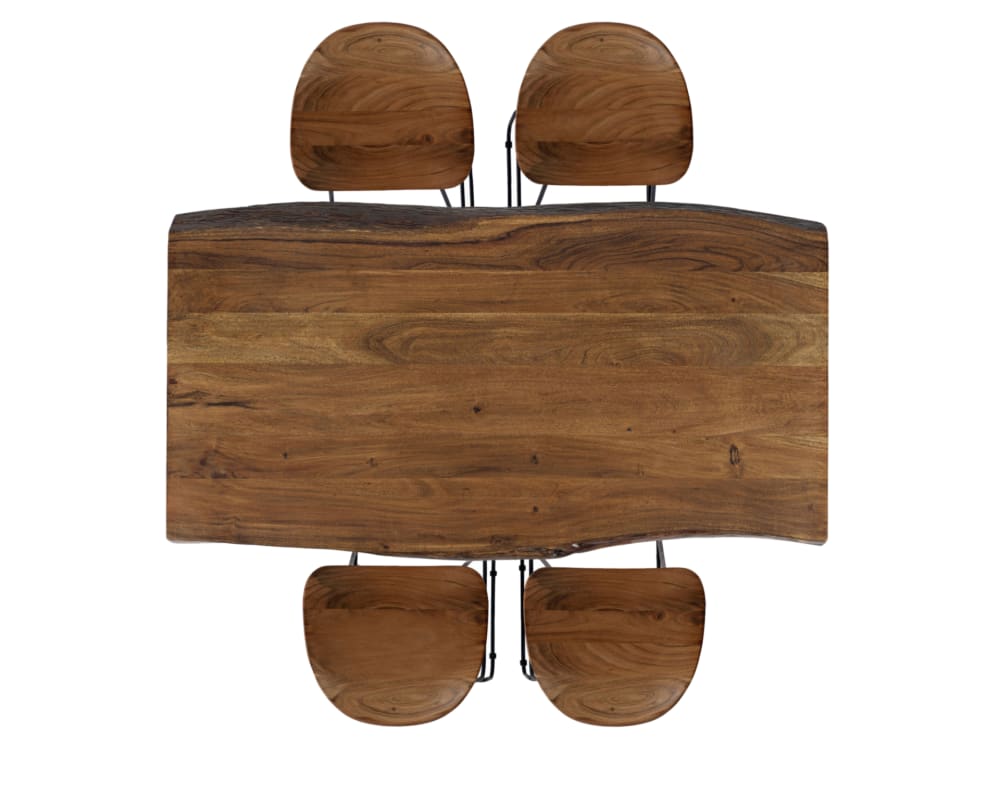
Acacia is a naturally tough hardwood known for its dramatic, high-contrast grain and rich color. It’s great for statement pieces like dining tables and bedroom sets, and its distinctive grain is often showcased as decorative veneer.
Pine (Best softwood)
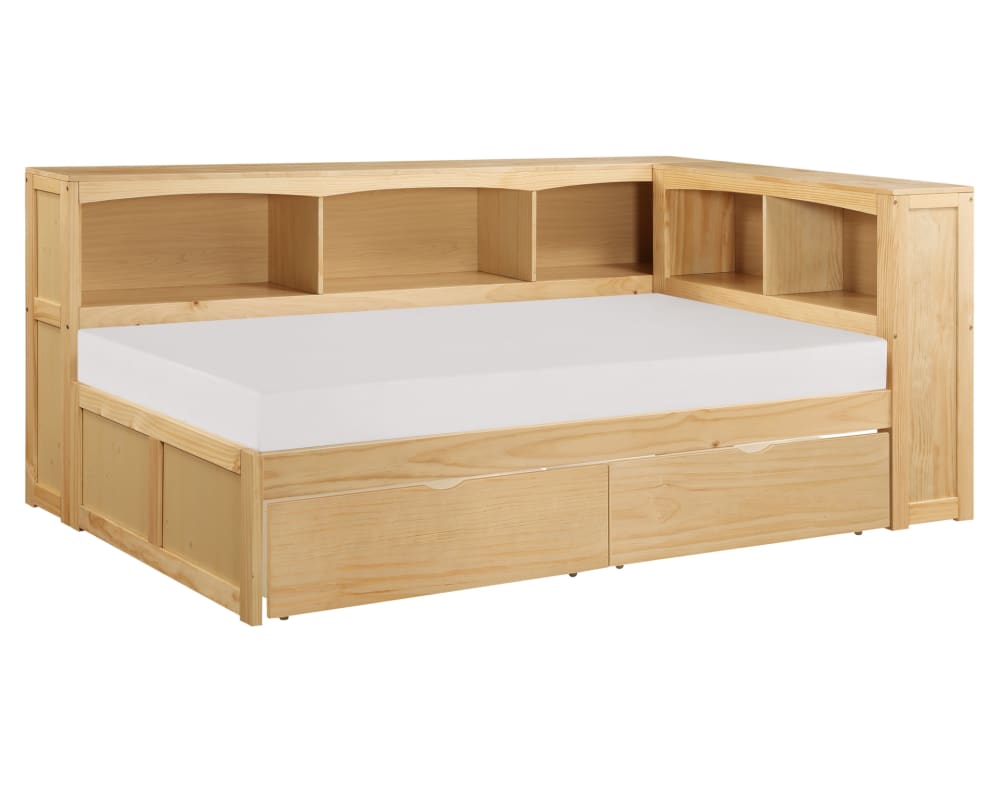
Pine is a softwood, but quality pine furniture can still be sturdy and reliable indoors. Its lighter weight and knotty, informal grain make it perfect for relaxed, farmhouse, or cottage-inspired spaces.
Solid Wood vs. Wood Veneers
Most furniture pieces aren't built from a single type of wood. In fact, it's common for manufacturers to combine materials, using one type of wood for the structural frame and another for the visible surfaces. It’s important to know how wood furniture is constructed so you know exactly what you're getting, and whether the price tag is worth it.
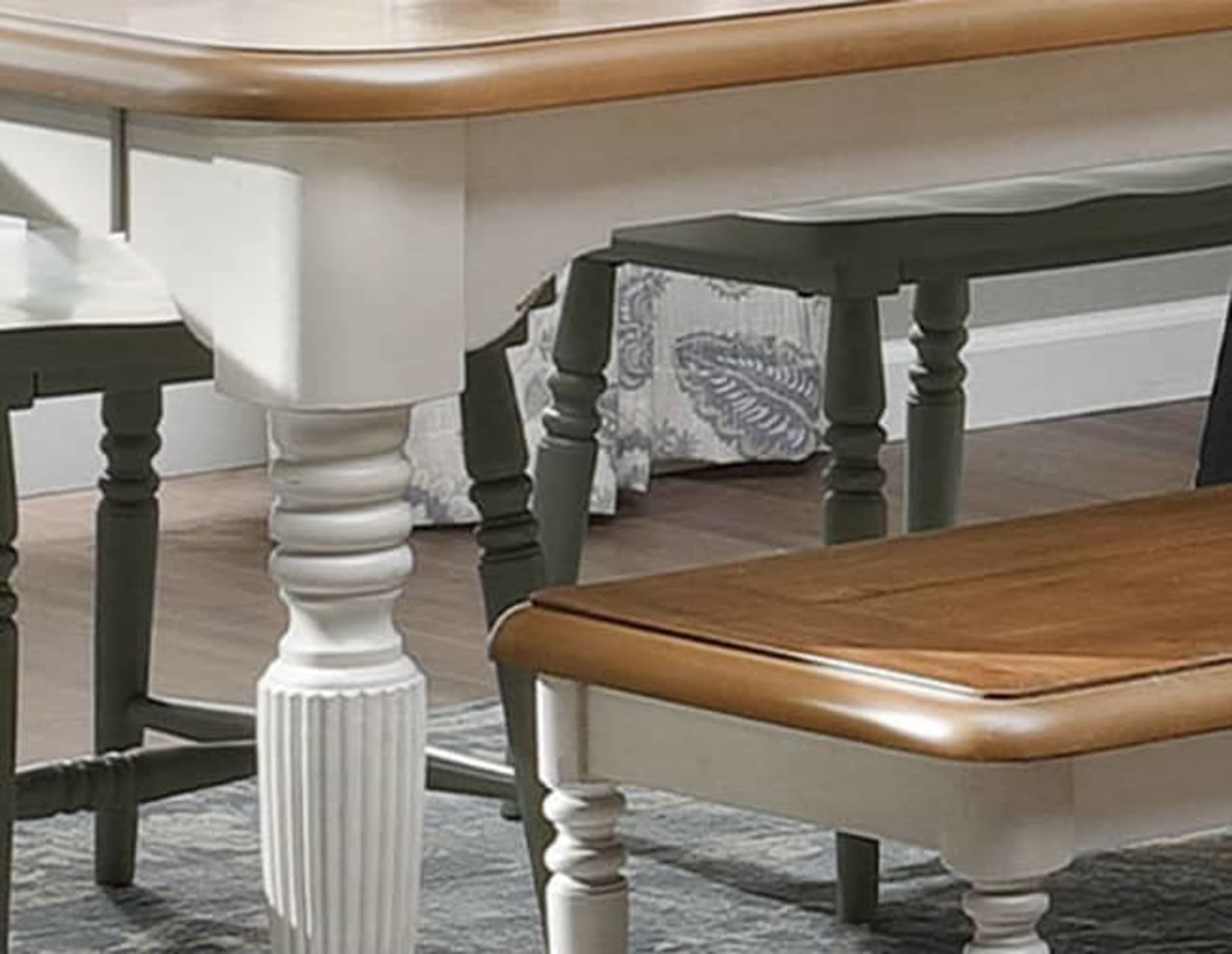
Solid Wood
Solid wood furniture is made entirely from natural lumber, with no plywood, particleboard, or other construction materials applied to the surface.
- Solid wood is valued for its strength, durability, and ability to last for generations.
- It can also be sanded and refinished over time, making it a reliable long-term investment.
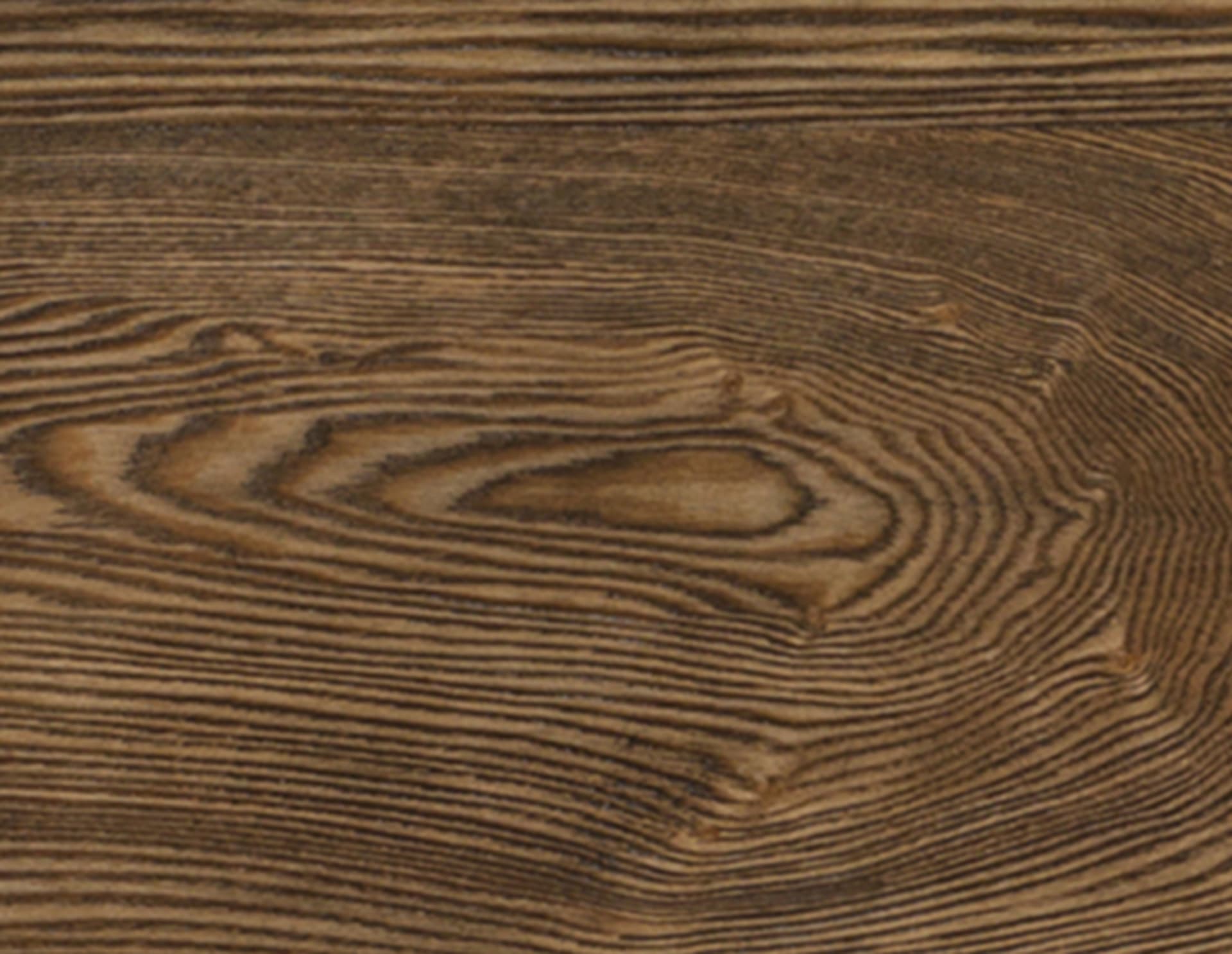
Veneers
Wood veneers are thin slices of real wood bonded to a strong core, typically made from engineered or solid wood.
- Veneers offer a cost-effective way to achieve the look and character of natural wood grain without the higher price of solid wood.
- When well constructed, they are a smart choice where consistent appearance, design flexibility, and overall value are key.
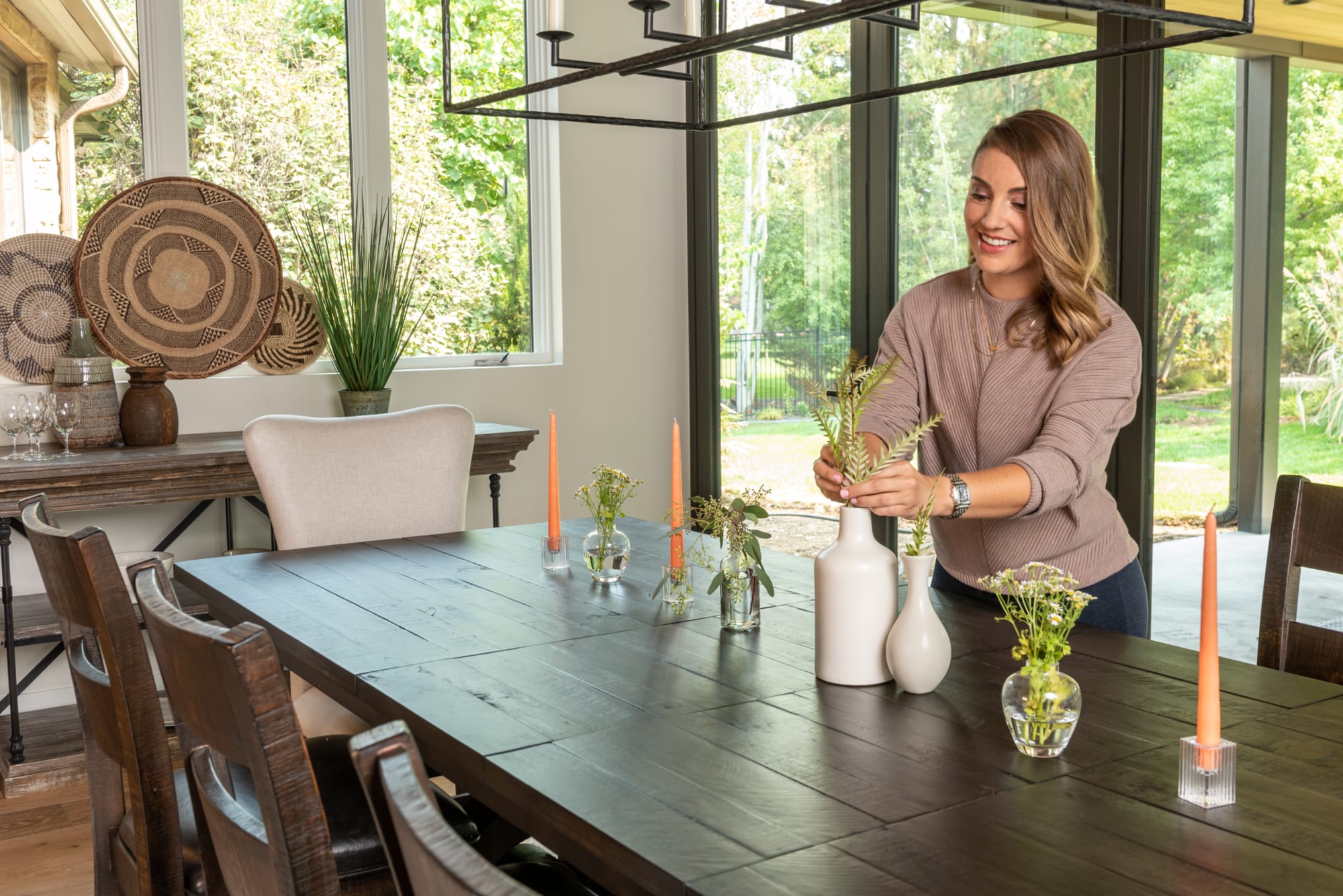
Quick Note: Think About Climate and Care
Wood naturally expands and contracts with changes in humidity, which means your climate can influence which materials work best in your home.
- In humid environments, solid hardwood is more prone to swelling, warping, and stuck drawers over time. Surprisingly, softwoods and well-constructed veneers can actually be a smarter, more stable choice in these conditions.
Where to Spend vs. Where to Save
Worth the investment:
- Your dining table if you eat there regularly or entertain - it takes daily wear and needs to look good for years
- Dressers and bedroom storage you open and close every day - quality drawer construction pays off fast
- A bed frame you plan to keep long-term - this is a foundational piece where solid construction matters
More flexibility here:
- Small side tables and accent pieces - lower stress, lower stakes
- Trend-driven finishes or silhouettes you might want to swap out in a few years
- Furniture for temporary spaces like a dorm or short-term rental
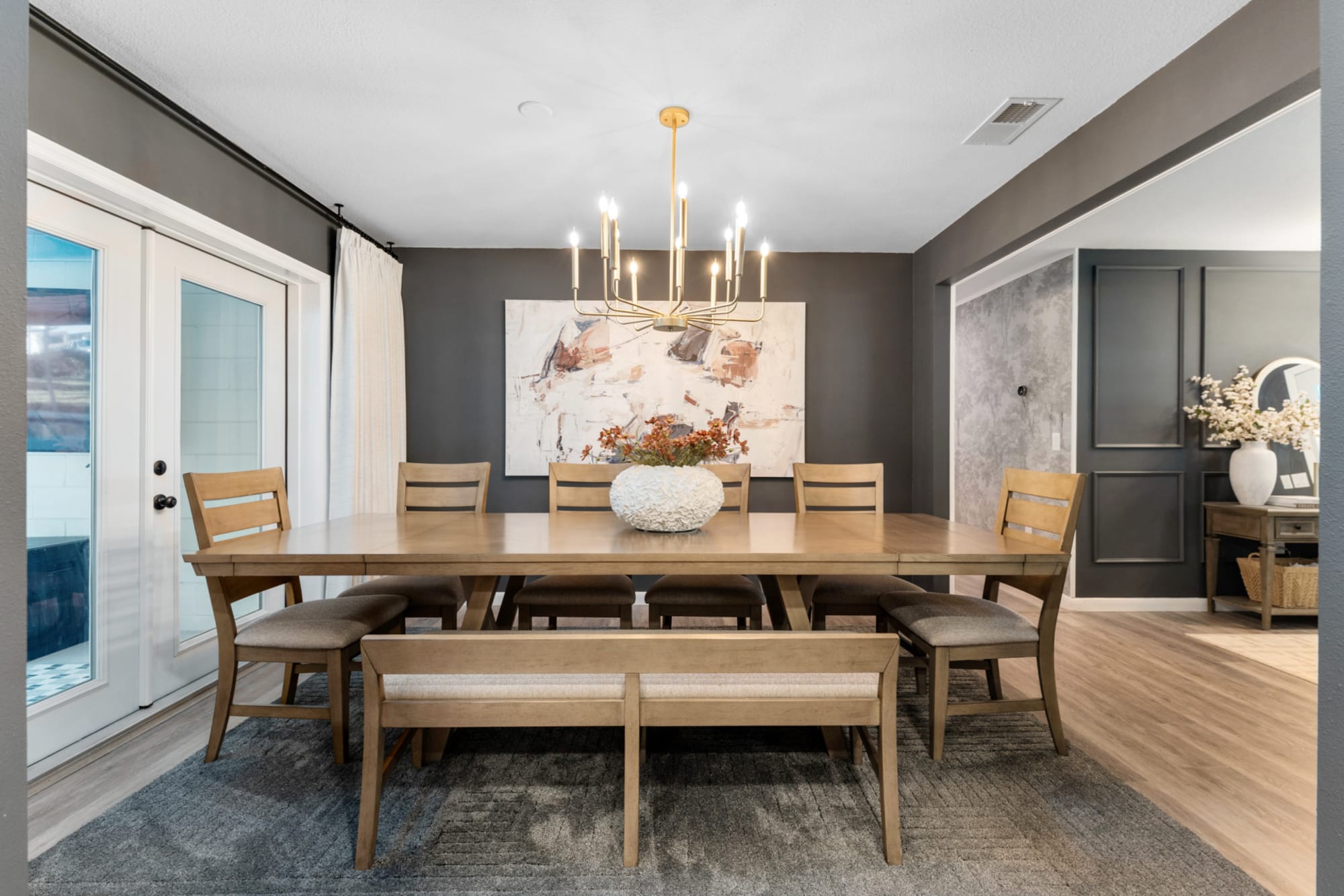
Construction Details That Matter
Beyond solid wood versus veneers, the way a piece is put together plays a major role in how it holds up over time. Poor construction doesn't just mean a wobbly chair leg - it can mean fasteners that split the wood grain, joints that pull apart under weight, or drawers that fail within a few years of daily use.
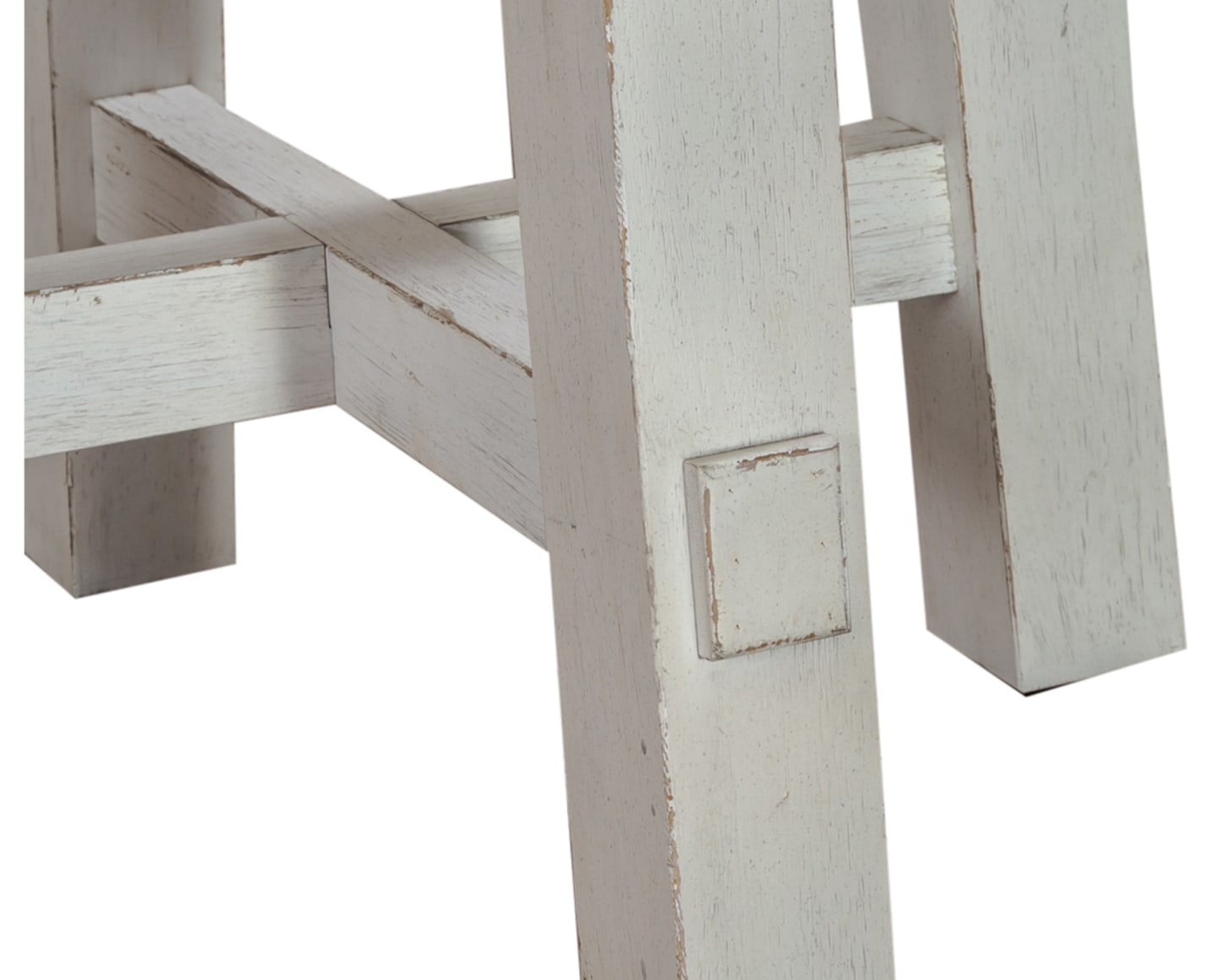
Quality Wood Joinery
The way wood components are connected directly affects strength and stability. Look for proven joinery methods like mortise-and-tenon joints, where one piece of wood fits securely into another, without the need of screws or nails. Dowel joints and corner blocks also reinforce frames and load-bearing areas.
Screws, nails, staples, and brackets can crack the grain over time, and as the wood naturally expands and contracts, those points of stress can widen. Strong joinery works with the wood instead of against it, helping prevent wobbling, sagging, and structural wear.
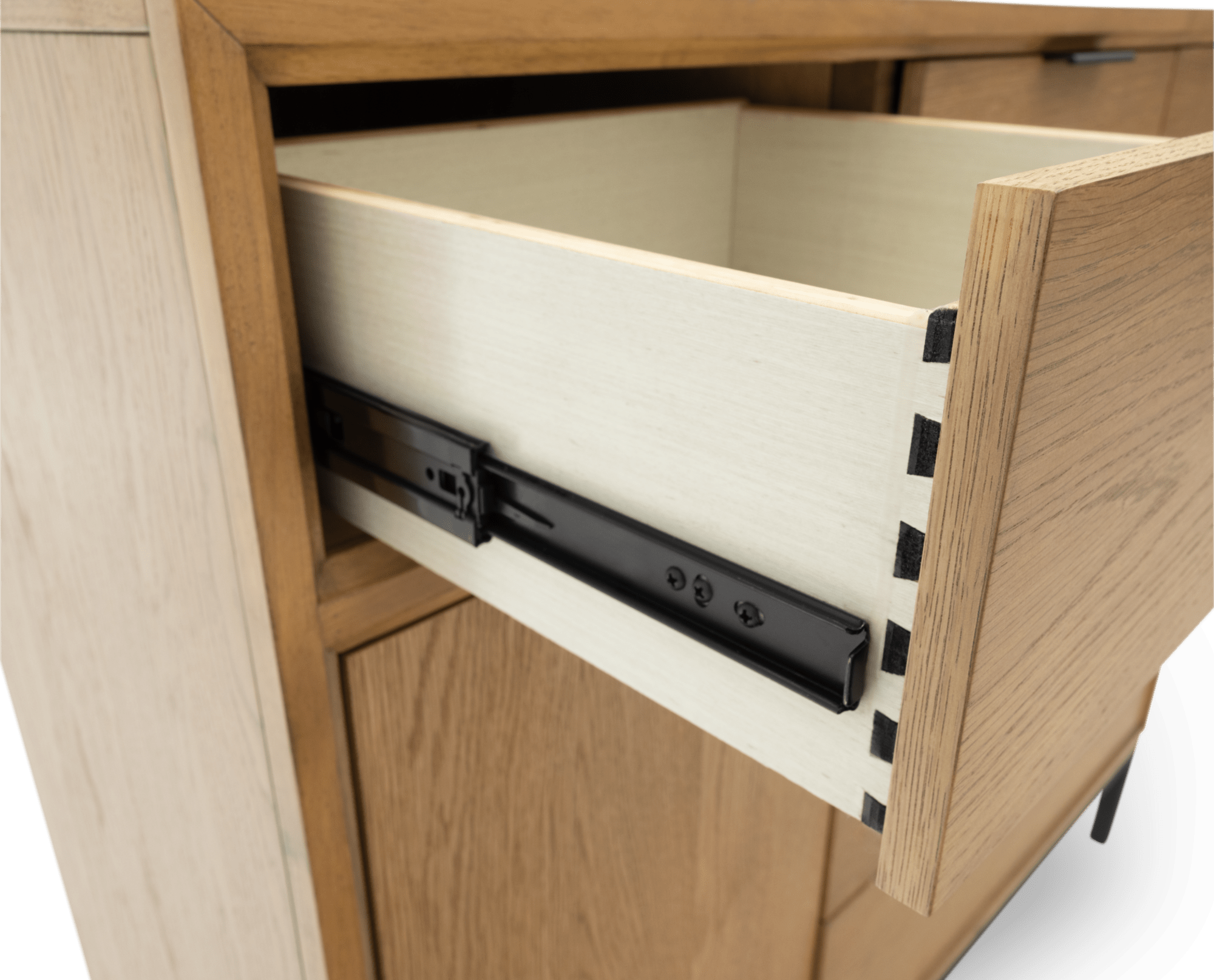
Drawer Construction
How the corners of a drawer are joined together and how smoothly it opens and closes are some of the easiest ways to spot quality construction at a glance.
Joints:
- Dovetail joints (English or French) create interlocking corners that resist pulling apart and hold up to daily use far better than stapled or glued drawers.
Glides:
- Ball-bearing glides provide smooth, reliable movement and support heavier loads.
- Undermount glides offer a cleaner look and often include soft-close functionality.
- Center-mounted or roller slides tend to wear out more quickly.
Lining:
- Felt-lined drawers protect delicate items like jewelry and accessories from scratching
- Cedar-lined drawers are a premium touch found in quality dressers and chests, naturally repelling moths and keeping stored clothing fresh
Example of a drawer with English dovetails and ball bearing glides.
A Note on Amish Furniture
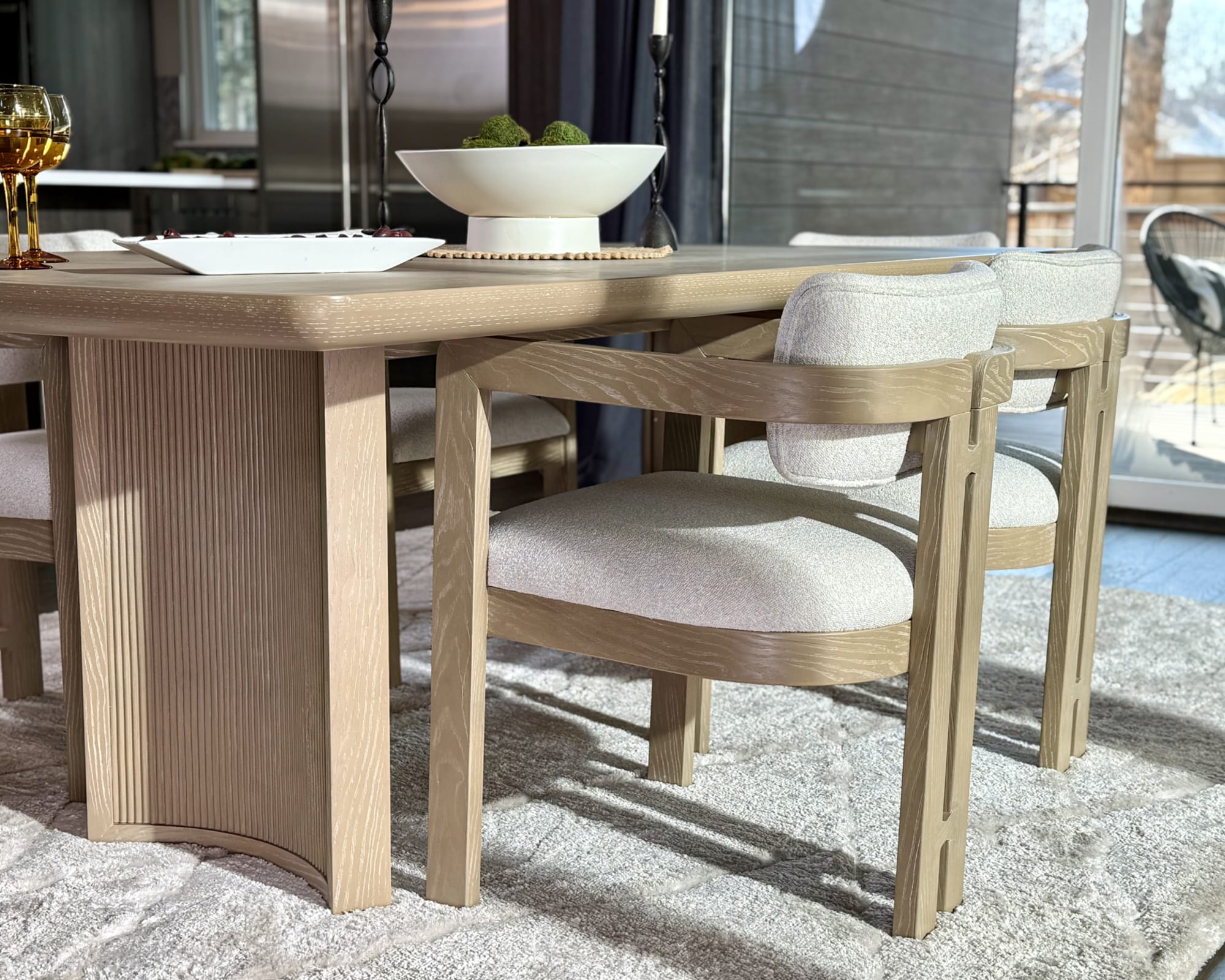
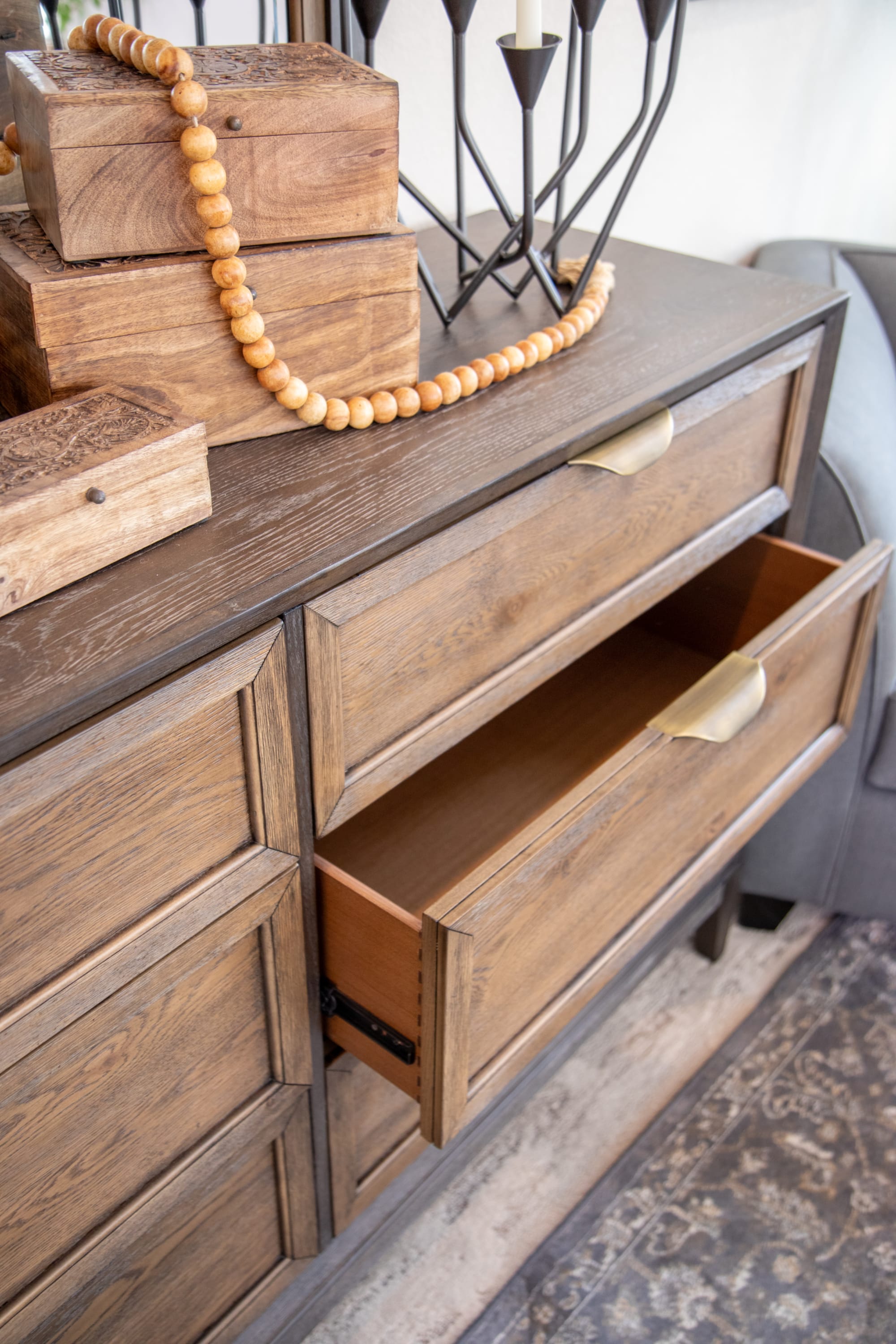
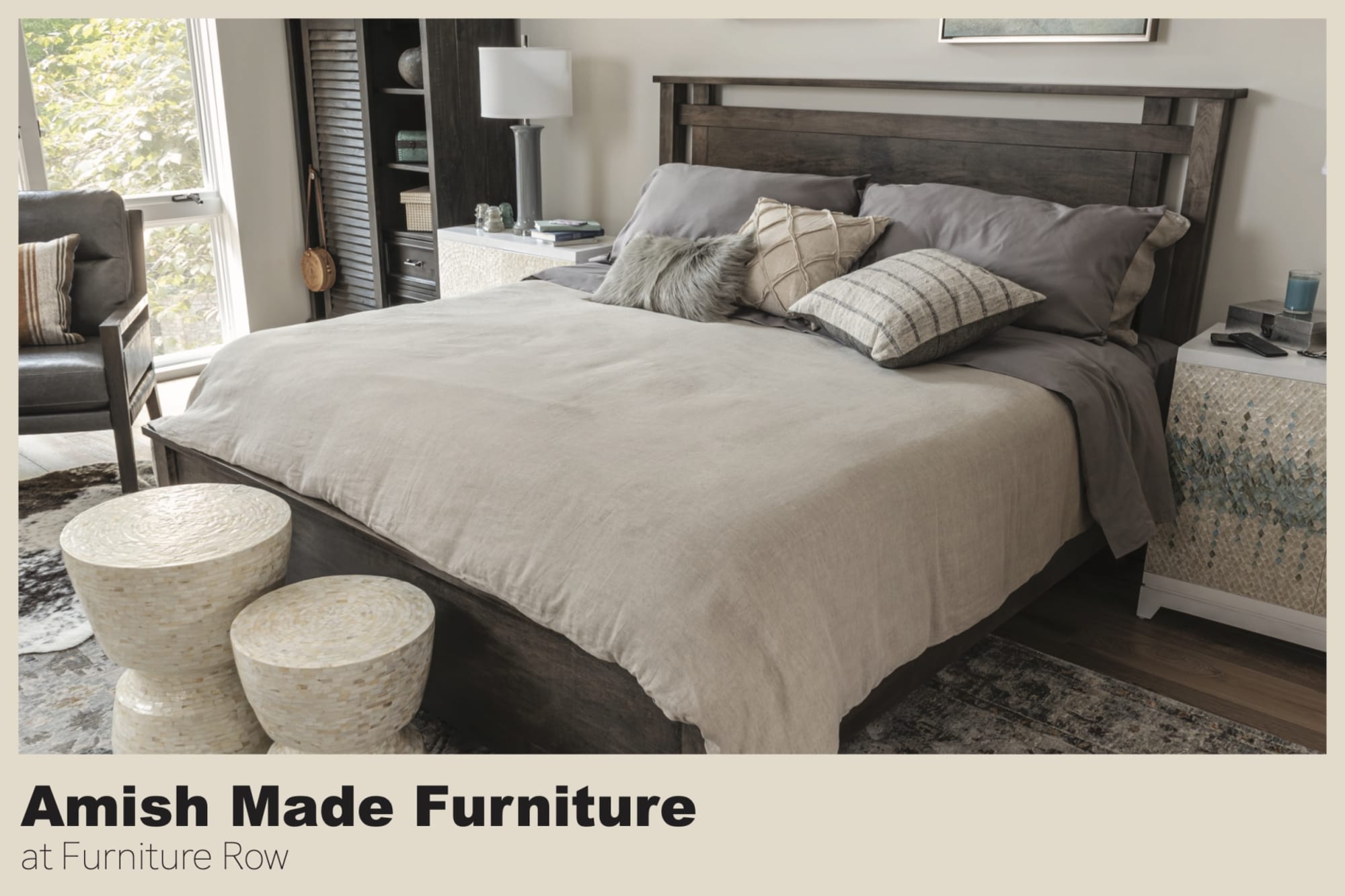
If everything you've read in this guide points you toward solid hardwood and quality joinery, Amish furniture is worth knowing about.
Amish craftsmen build exclusively with solid hardwood and rely on traditional hand techniques like mortise-and-tenon joints, dovetails, and rabbets rather than nails or screws. Those methods work with the natural strength of the wood instead of against it, which is exactly what separates furniture that lasts a lifetime from furniture that doesn't.
To learn more, check out our full guide: Why You Should Buy Amish Furniture.
Want to Go Deeper? Listen to the Seated Episode
Beyond wood types and finishes, it’s important to understand how pieces are built, what signals real quality, and how to make a purchase that lasts. In this episode of Seated, we walk through how to buy furniture with confidence, including what to look for and what to avoid.
Find Furniture That Endures
Choosing wood furniture doesn’t have to feel overwhelming when you know what to look for. By focusing on how you use your space, paying attention to solid wood and veneer construction, and investing in the pieces you touch every day, you can build a home filled with furniture that looks beautiful and works hard for years to come.
With a little intention up front, every coffee table, dresser, and cabinet you bring home can feel like the right choice—not just for right now, but for the long haul.
Check Out More From Our Blog
Go to the BlogWhy You Should Buy Amish Furniture
Handcrafted Amish furniture offers timeless style, solid wood durability, and sustainable, heirloom-quality value for your home.
Shop Green with Sustainable Furniture
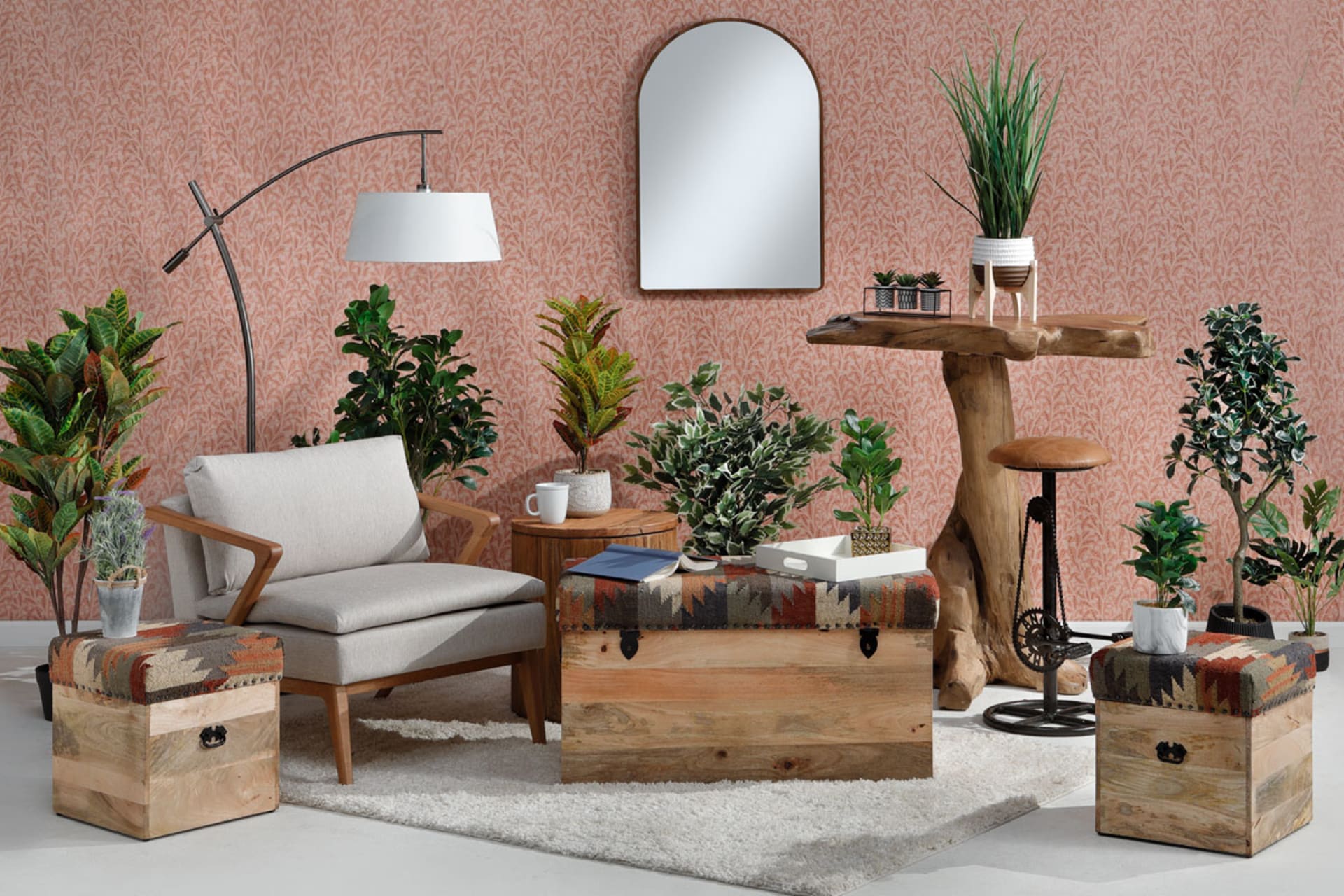
Discover how eco-friendly furniture—from reclaimed wood to recycled bottle fabrics—lets you live sustainably without sacrificing style.

The Best Patio Furniture for Different Weather Conditions
Discover the best patio furniture materials for every climate, from metal to synthetic resin.
Why You Should Buy Amish Furniture
Handcrafted Amish furniture offers timeless style, solid wood durability, and sustainable, heirloom-quality value for your home.
Shop Green with Sustainable Furniture
Discover how eco-friendly furniture—from reclaimed wood to recycled bottle fabrics—lets you live sustainably without sacrificing style.
The Best Patio Furniture for Different Weather Conditions
Discover the best patio furniture materials for every climate, from metal to synthetic resin.