


How to Shop for Leather Furniture (Without Getting Burned)
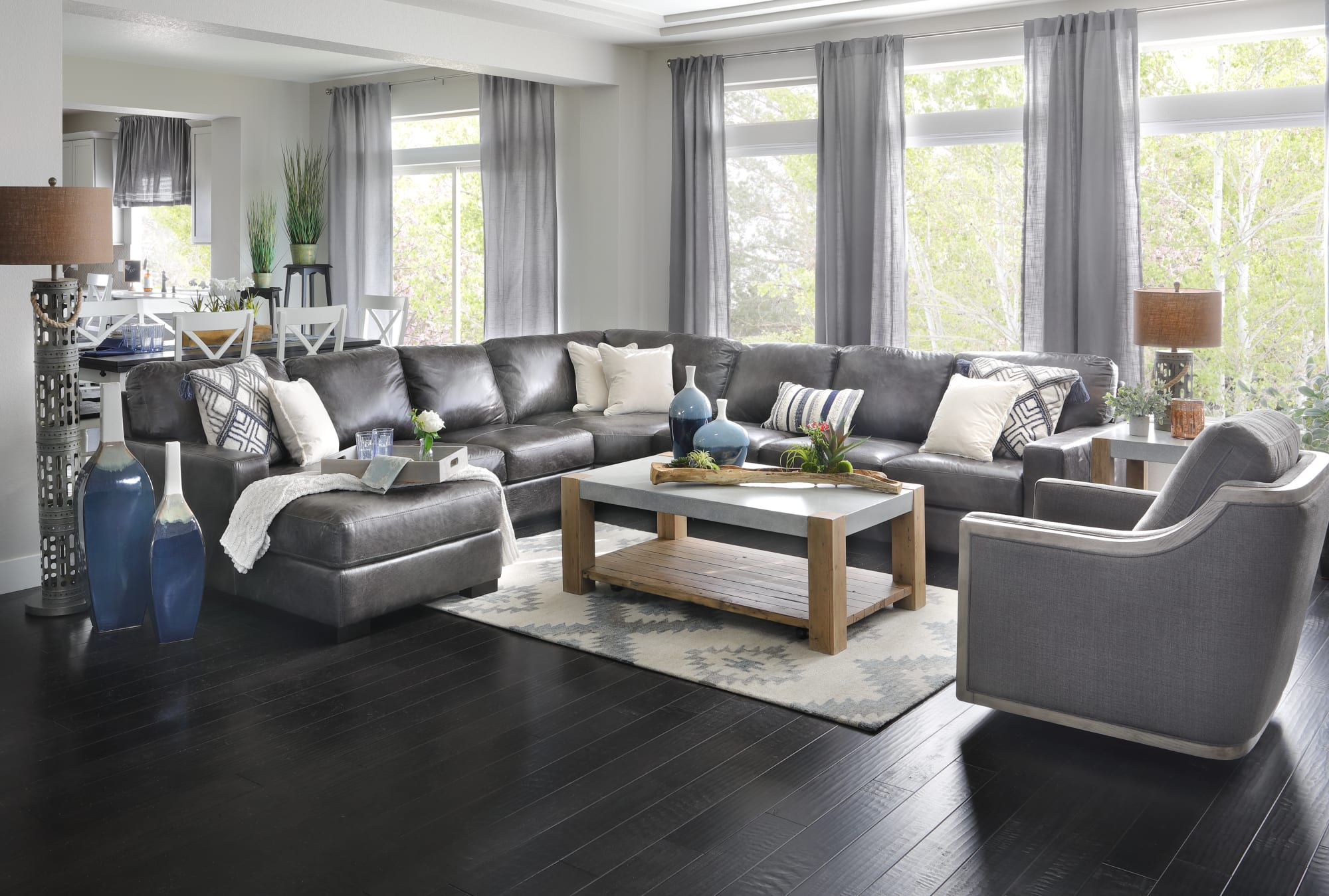
You want leather furniture—the kind that ages like a well-loved baseball glove, not the kind that cracks like a desert floor after a year. Leather has a near-mythic reputation: durable, timeless, effortlessly cool. And it can be all of that—if you know what you're buying.
Shopping for leather furniture isn't just about picking a color. It's about understanding what's underneath—and matching it to how you actually live.
Why Leather Is Such a Popular Furniture Choice
- Great for families with kids and pets. Leather is surprisingly forgiving — spills wipe clean in seconds, and it resists the kind of daily abuse that would ruin a fabric sofa in months. It's one of the few materials that actually gets easier to maintain the busier your household is.
- Instantly delivers a sophisticated, stylish look. There's a reason leather has been a design staple for centuries — it adds warmth and elegance to virtually any room, from modern minimalist to classic traditional. A well-chosen leather piece can anchor an entire space.
- Built to look great and last for years. Unlike fabric, quality leather doesn't fade, pill, or flatten over time — it actually improves with age, developing a rich patina that tells the story of the home it lives in. It's one of the few furniture investments that genuinely pays off the longer you keep it.
Different Types of Upholstery Leather
1. Full-Grain Leather (The Real Deal)
This is the top tier. Full-grain leather uses the entire hide without sanding away imperfections, which means you’re getting the strongest, most authentic version of the material—scars, grain variation, and all.
- Pros: Extremely durable, develops a rich patina over time, breathes well (so it doesn’t feel sticky or overly slick).
- Cons: More expensive, shows natural marks (which some people love, others don’t).
What makes it special is how it evolves. Instead of wearing out, it wears in—softening, deepening in color, and picking up character that tells the story of your home. It’s less about staying “perfect” and more about becoming uniquely yours.
Best for: Long-term buyers, design enthusiasts, lower-chaos households, or anyone who wants a statement piece that ages beautifully rather than staying pristine.
Think of a deep brown leather sofa that gets better every year—like the kind you’d find in a study, library-style living room, or a well-used family space where it quietly levels up over time.
If you want that “heirloom piece” vibe, this is your lane.
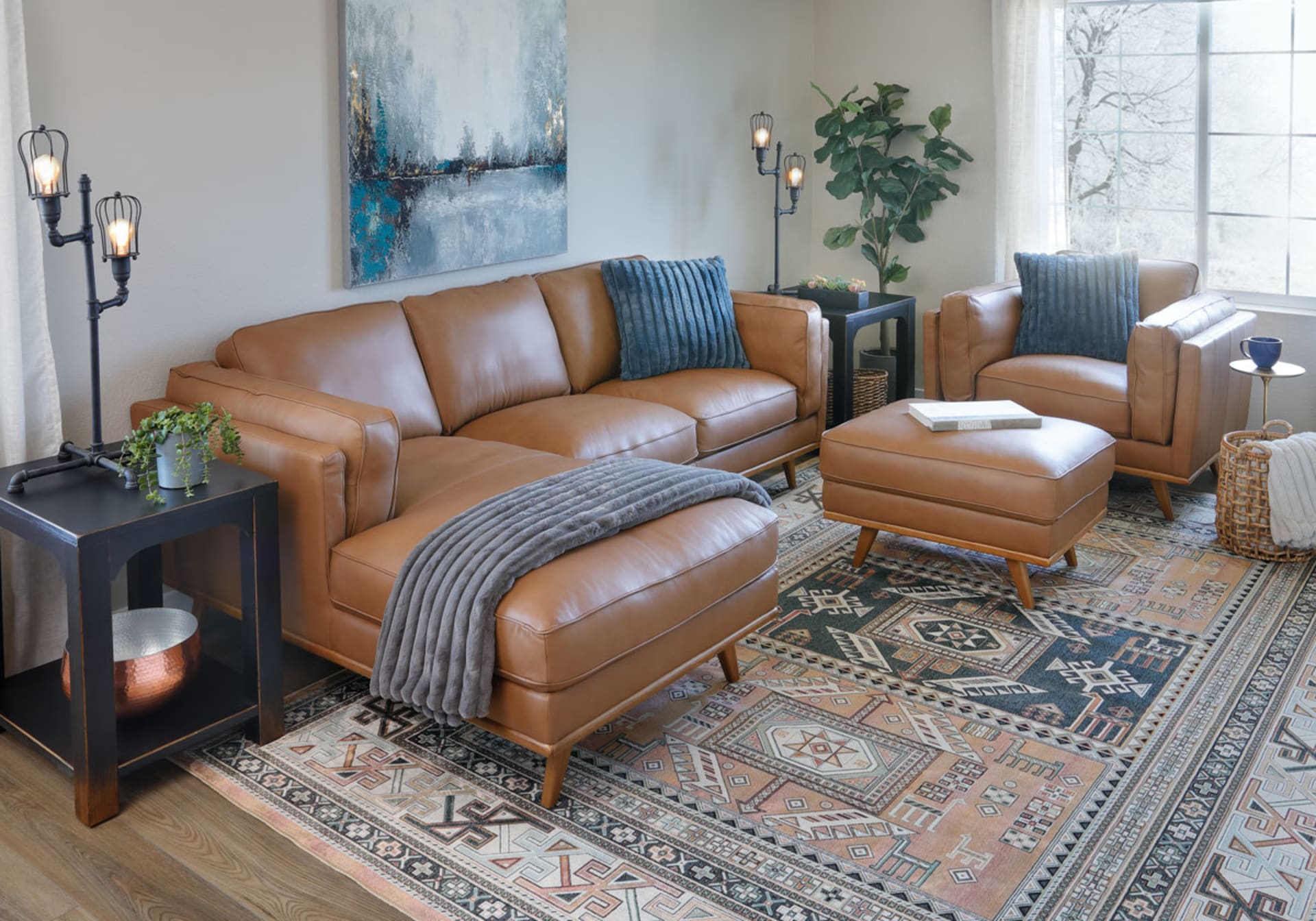
2. Top-Grain Leather (The Sweet Spot)
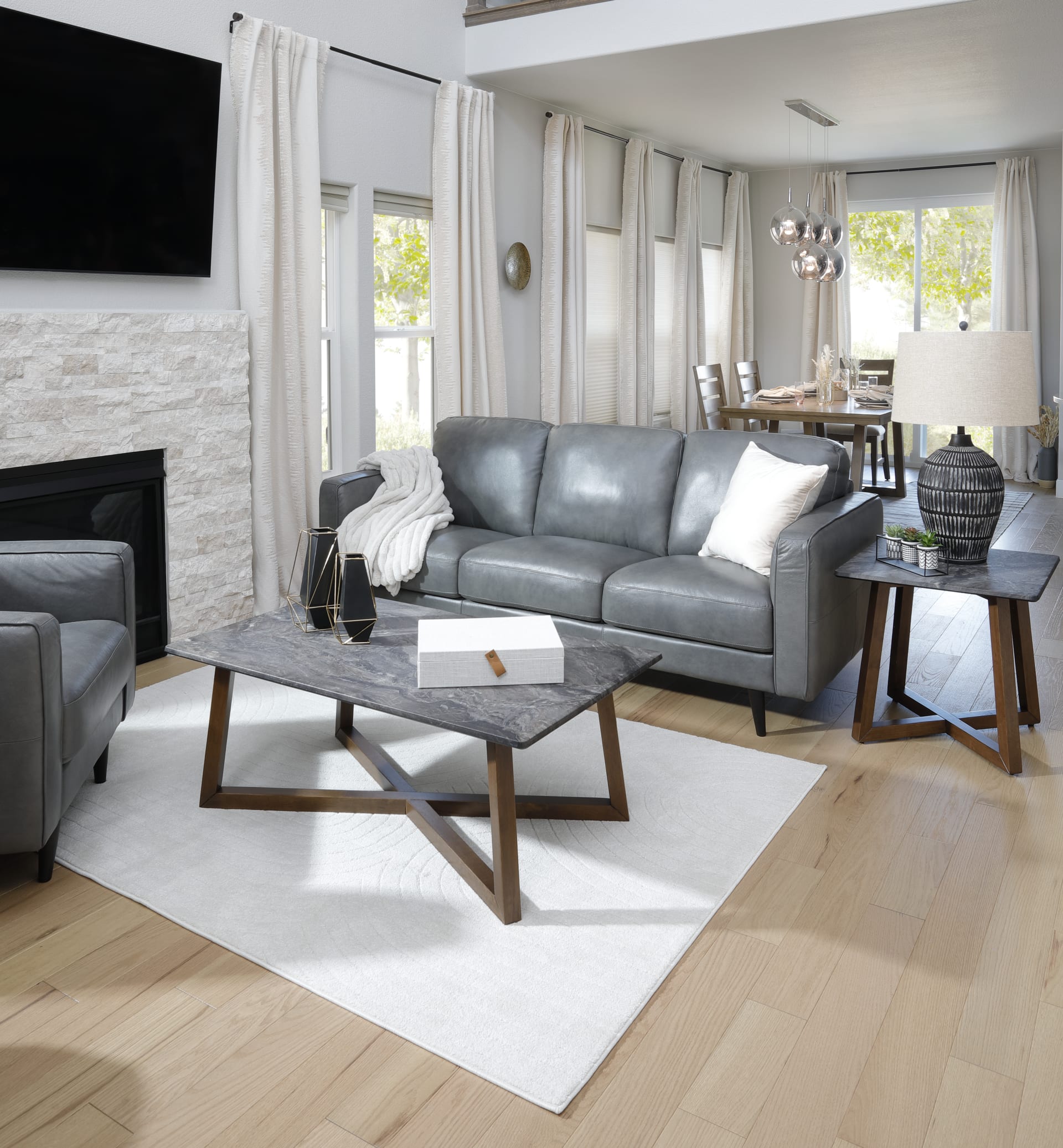
Top-grain leather is slightly sanded and finished to remove imperfections, giving it a more consistent and refined appearance without completely losing the benefits of real leather.
- Pros: Still high quality, more uniform look, slightly more resistant to stains and spills.
- Cons: Doesn’t develop as dramatic a patina as full-grain.
What makes it special is its balance. You’re getting real leather durability and comfort, but with a cleaner, more controlled aesthetic that fits easily into a wide range of home styles—from modern to transitional.
Best for: Busy households, style-conscious buyers, or anyone who wants leather that looks polished on day one and still holds up to everyday life.
If you want something that looks sharp but doesn’t demand perfection, this is your go-to.
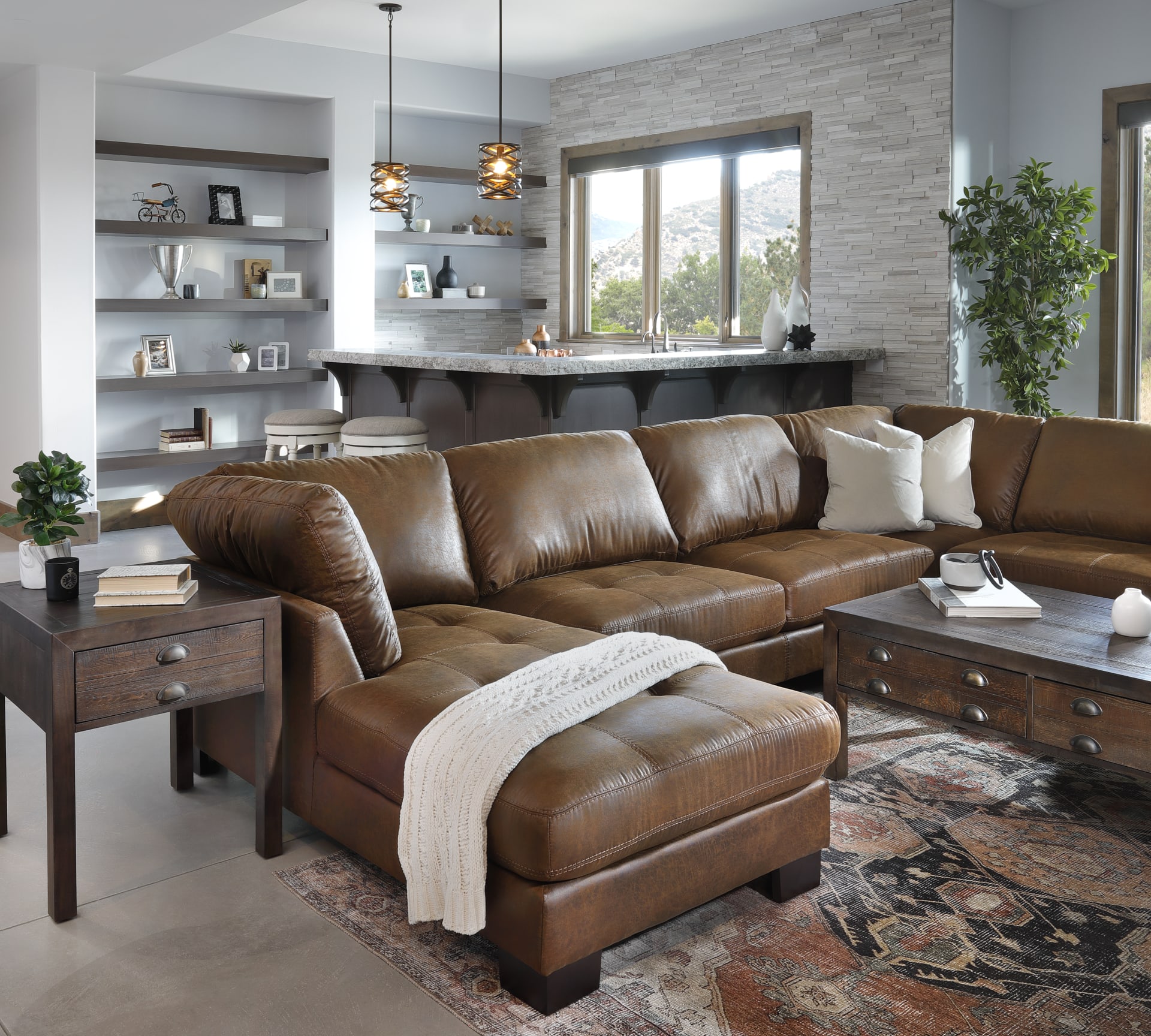
3. Split Leather & Bonded Leather (Easy & Affordable)
Split and bonded leathers are made from the leftover portions of the hide after the top layers are removed—or, in the case of bonded leather, from shredded leather fibers that are pressed and glued together.
Split leather: Lower layers of the hide, often coated and embossed to mimic higher-end leather.
Bonded leather: Ground-up leather fibers fused with adhesives and finished to look like the real thing.
- Pros: Lower cost, accessible entry point.
- Cons: Less durable, prone to peeling or cracking, doesn’t age well.
Best for: Short-term use, low-traffic areas, or budget-driven purchases where longevity isn’t the top priority.
If you’ve ever seen a sofa start flaking or peeling after a couple of years, odds are it lived in this category. It’s not inherently “bad,” but it’s important to go in with realistic expectations.
4. Leather Match (The Hybrid Option)
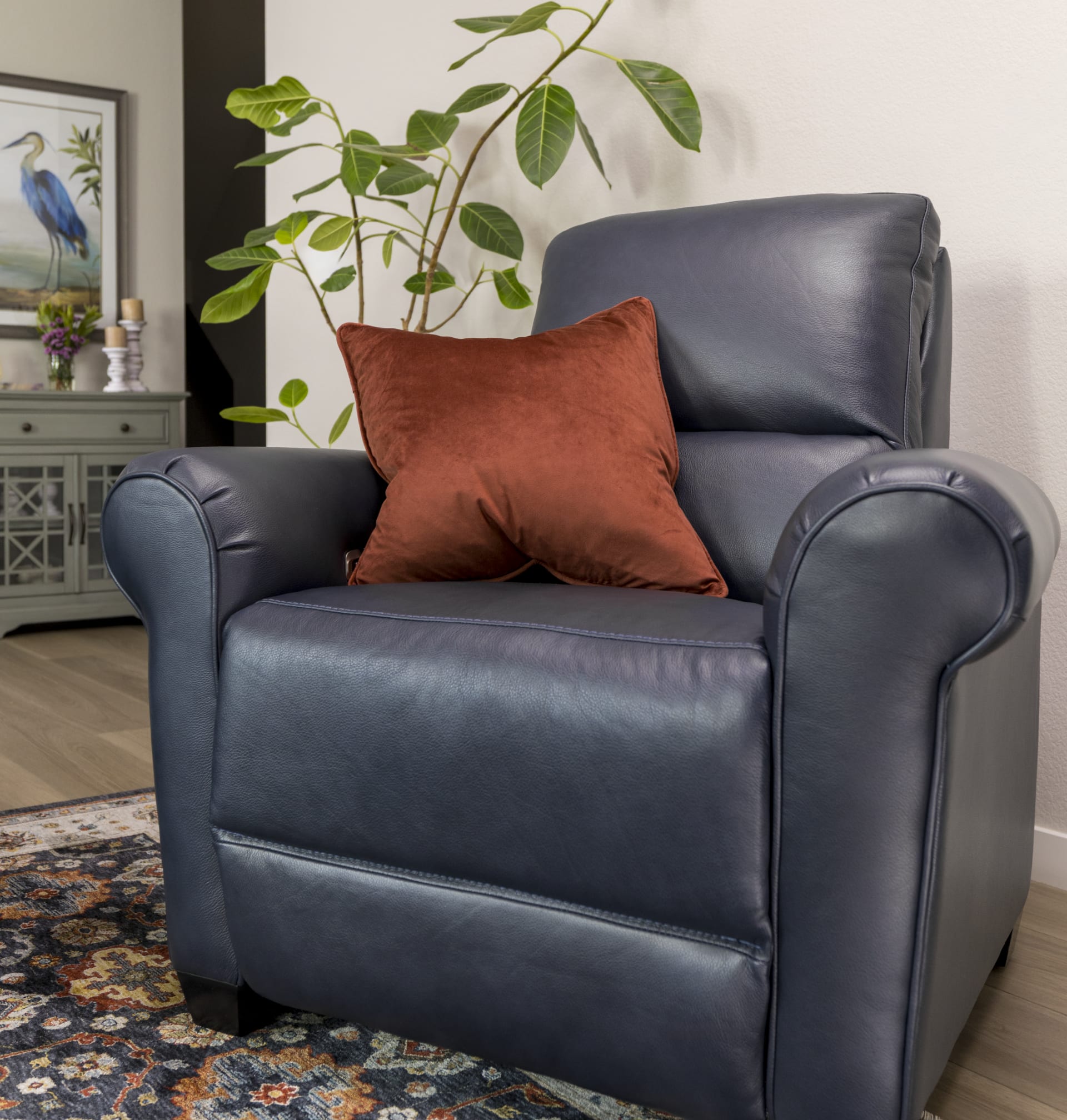
Leather match combines real leather with synthetic materials—typically placing genuine leather on high-contact areas like seats, backs, and armrests, while using matching faux materials on the sides and back.
- Pros: More affordable than all-leather, gives you the feel of real leather where it matters most.
- Cons: Not as durable overall, and over time you may notice slight differences in how the materials wear or age.
What makes it special is its practicality. It’s designed to give you that leather experience without the full investment, which makes it a popular middle ground for a lot of shoppers.
Best for: Families, first-time buyers, high-traffic living rooms, or anyone who wants the look and feel of leather without committing to premium pricing.
If you want leather where you actually sit (and savings where you don’t), this is a smart compromise.
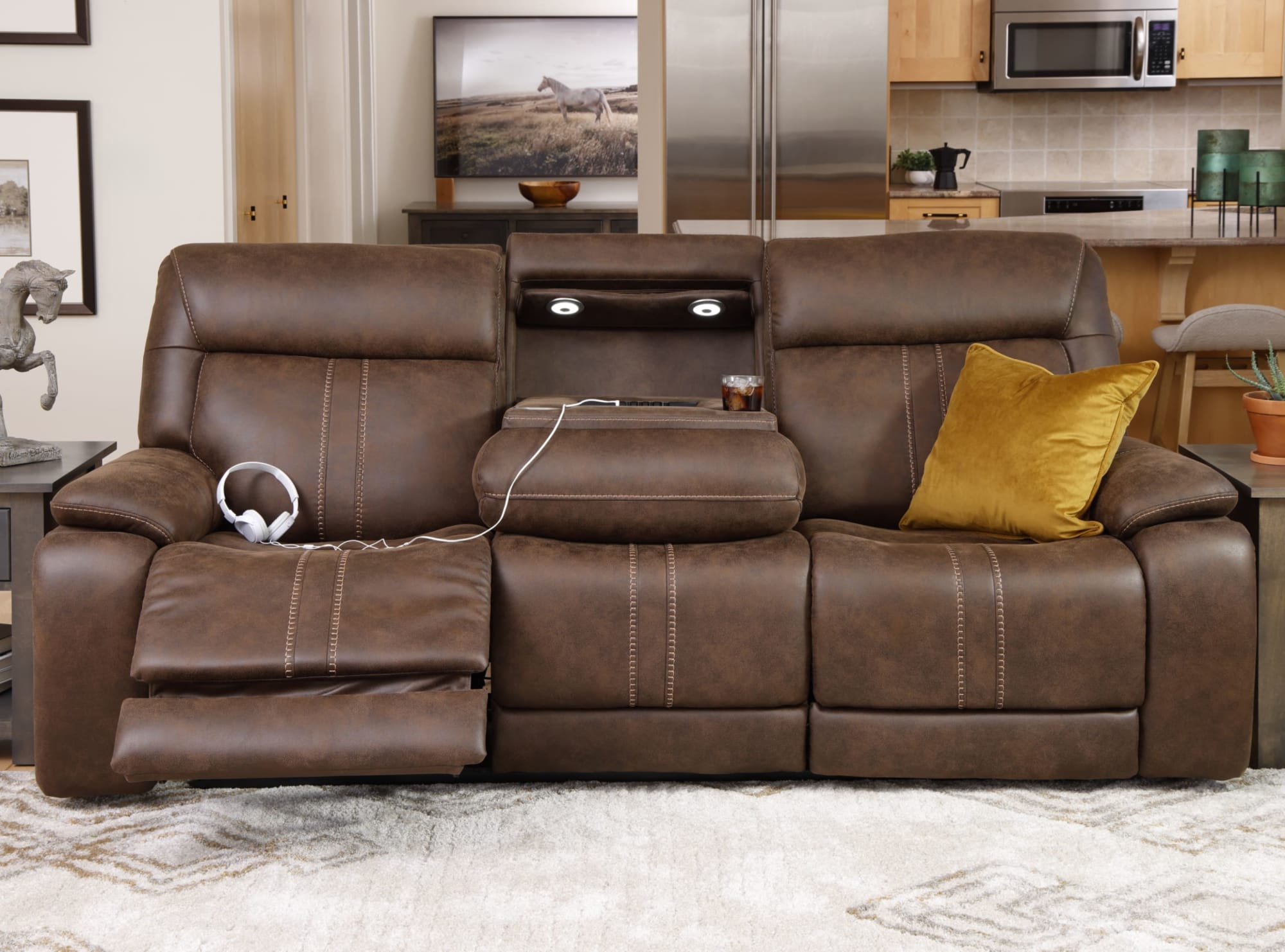
5. Faux Leather (The Surprising Contender)
Here's something that might catch you off guard: faux leather has come a long way. Like, a really long way.
Faux leather (also called vegan leather, PU leather, or synthetic leather) is made entirely from synthetic materials - usually polyurethane (PU) or PVC.
- Pros: Budget-friendly, easy to clean, consistent color and texture, animal-free, and surprisingly resistant to stains and spills.
- Cons: Doesn't breathe as well as real leather, can feel warmer in hot climates, and won't develop that rich patina over time.
What makes it worth talking about is its practicality. Faux leather wipes clean in seconds, doesn't fade unevenly, and holds up well against surface scratches.
Best for: Budget-conscious shoppers, renters who move often, pet owners, or anyone who loves the look of leather but wants something that's easy to maintain.
How to Tell If Leather Is Actually Good
Marketing terms can get… creative. “Genuine,” “premium,” “luxury”—they sound reassuring, but they don’t always tell you much. The good news is that leather is one of those materials you can evaluate pretty quickly in person if you know what to look for.
Look at the Surface
Good leather isn’t perfectly uniform—and that’s a feature, not a flaw. Natural variations in grain, tone, or small markings are signs you’re looking at a higher-quality hide (especially with full-grain leather).
If everything looks overly smooth, identical, or almost “printed on,” it’s often a sign the leather has been heavily corrected—or that you’re dealing with a synthetic-heavy material.
Feel It
This is where leather really gives itself away.
Run your hand across the surface and pay attention to how it responds. Quality leather feels supple, slightly textured, and almost warm to the touch. It should have a bit of give—not stiff, not slippery.
Lower-quality leather (or leather alternatives) tends to feel overly smooth, rigid, or even a little plasticky. And if it squeaks when you sit or shift—like a vinyl booth at a diner—that’s usually not a great sign.
Smell It (Seriously)
It might feel a little ridiculous, but it works. Real leather has a distinct smell—rich, slightly earthy, and unmistakably natural. It’s subtle, but it’s there.
If what you’re picking up smells more like chemicals, plastic, or nothing at all, chances are you’re not dealing with high-quality leather.
And yes, you’re absolutely allowed to casually sniff a sofa in the showroom. Just commit to it.

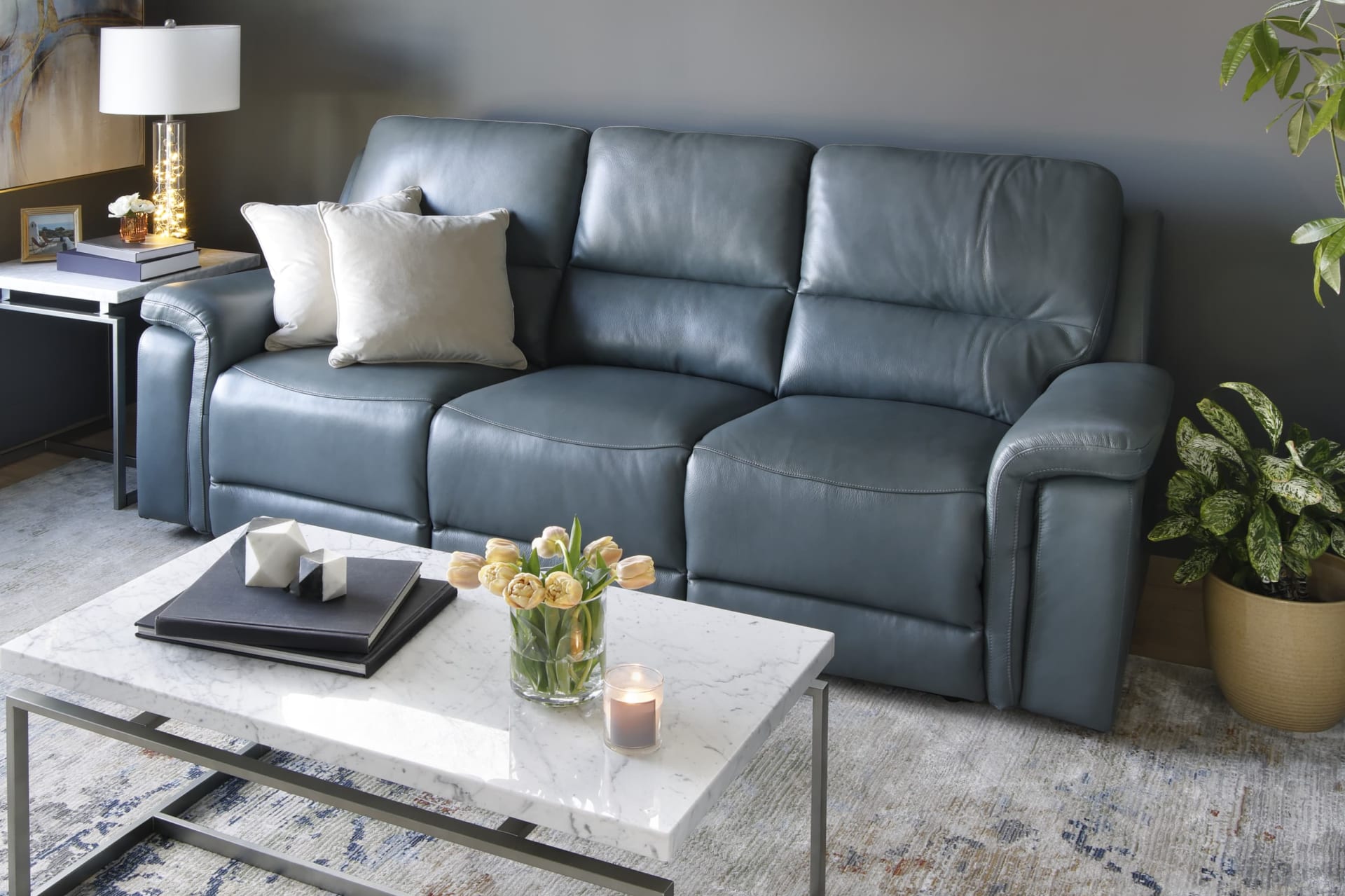
Color Matters More Than You Think
Leather isn’t just about type—it’s also about color and finish, and that choice can completely change how your furniture looks, feels, and holds up over time. The same sofa in a different color can read as cozy, modern, dramatic, or high-maintenance real fast.
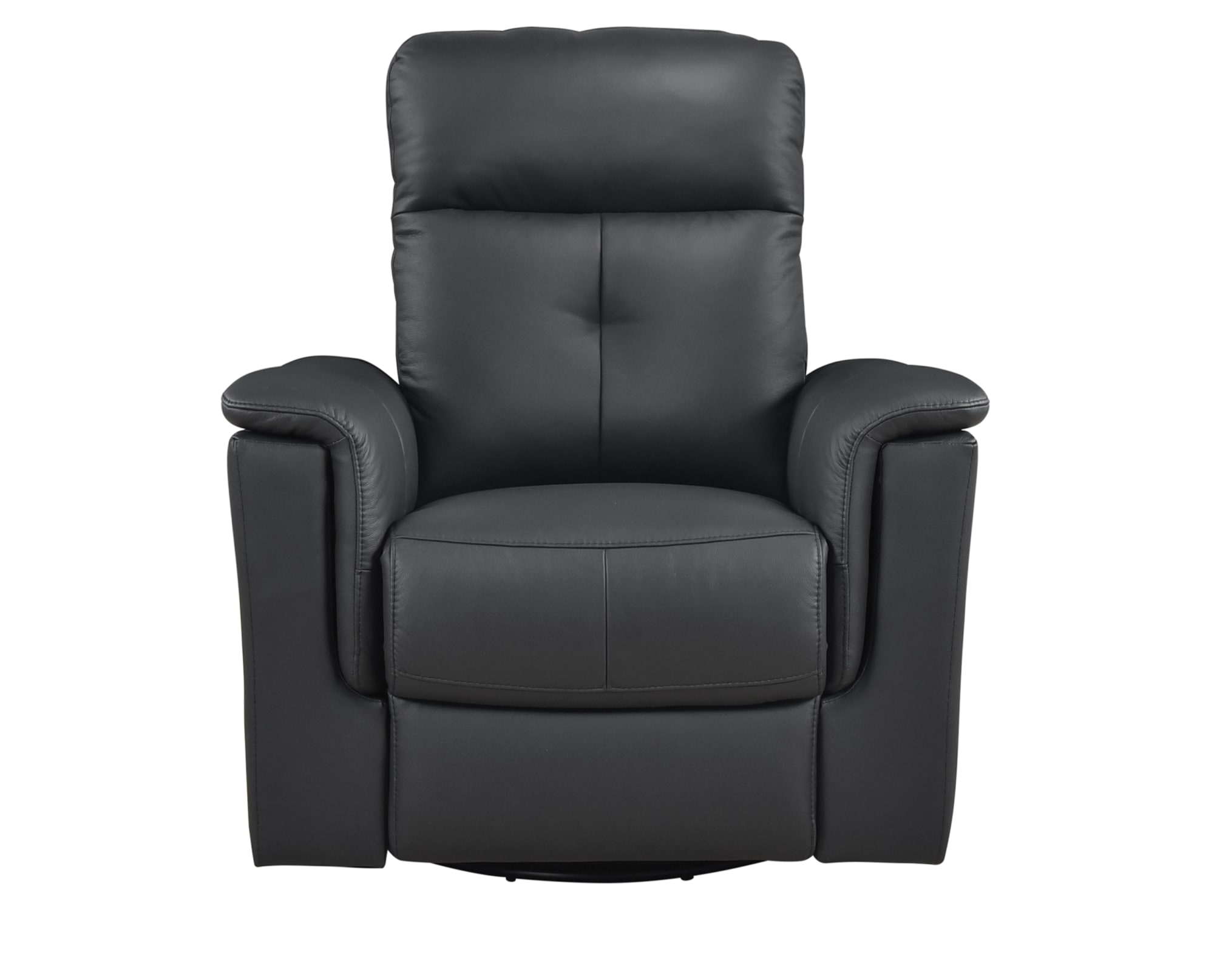
Dark Colors (Espresso, Black)
Dark leather is low-drama from a maintenance standpoint, but grounded from a design perspective. Offering depth and structure, it tends to feel timeless rather than trendy.
- Pros: Great at hiding stains, classic look, adds depth and structure.
- Cons: Shows dust, lint, and pet hair more easily; can feel visually heavy in smaller spaces.
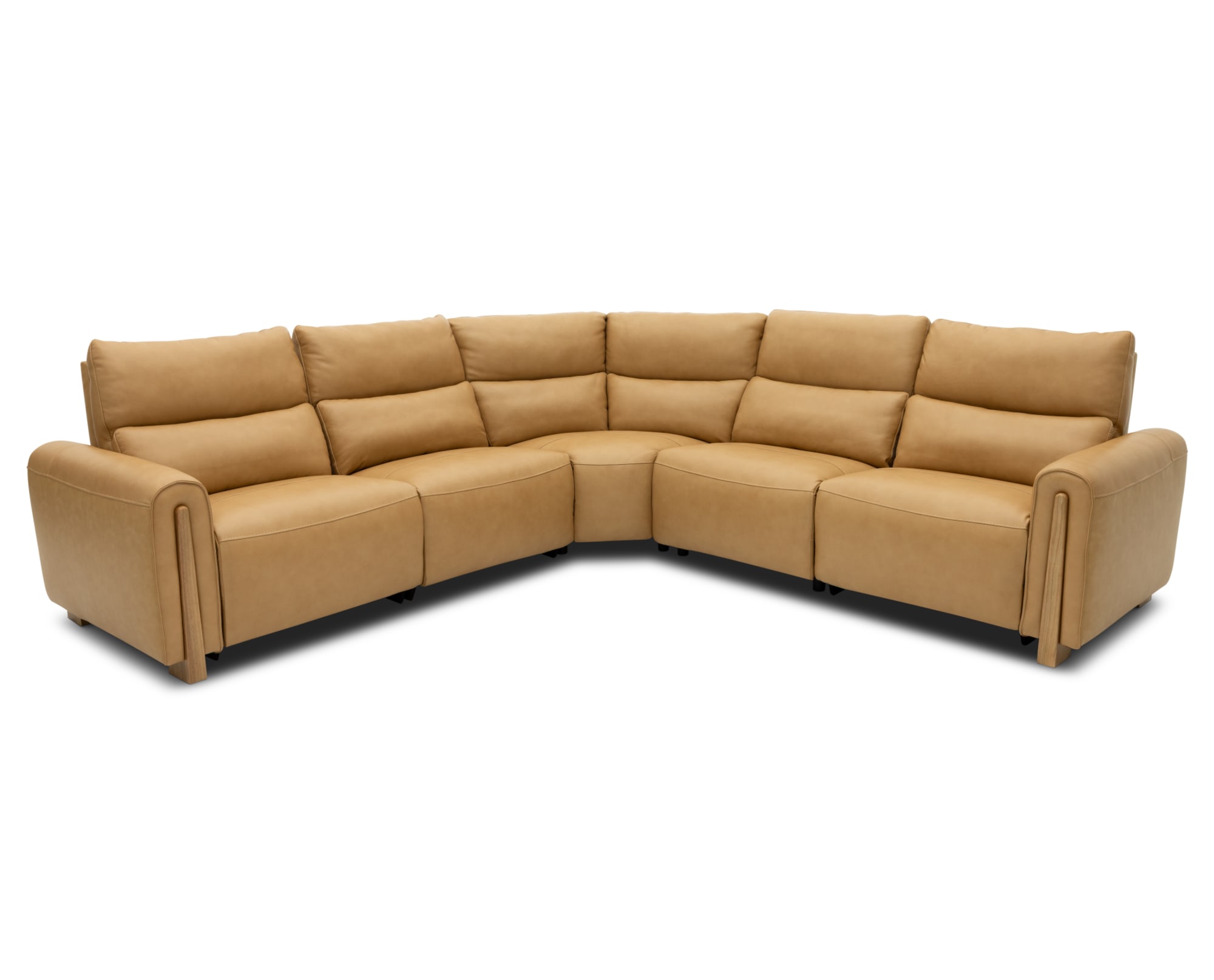
Medium Tones (Tan, Cognac)
Medium tones add warmth without overwhelming the space. They strike a nice balance between style and practicality, and age gracefully, picking up character rather than looking worn.
- Pros: Warm, versatile, forgiving with everyday wear; hides minor scratches and fades well.
- Cons: Slightly more upkeep than very dark tones, especially when it comes to spills.
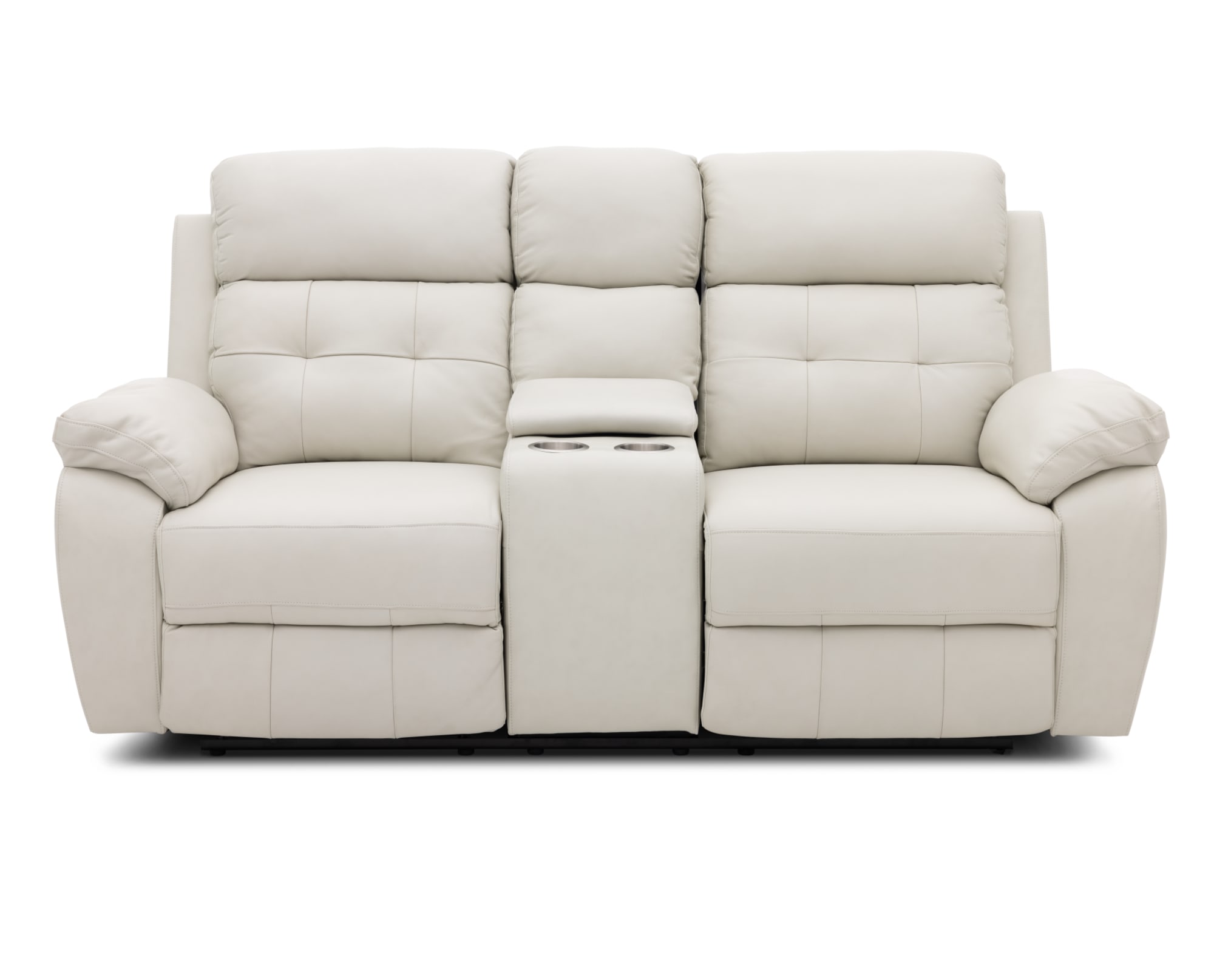
Light Colors (Cream, White)
Light leather can look incredible, especially in contemporary or airy spaces where you want it to feel fresh and open.. It instantly brightens a room and gives off that high-end look.
- Pros: Bright, modern, airy; opens up a space and feels elevated.
- Cons: High maintenance; shows stains, scuffs, and everyday wear more quickly.
Learn more about how to buy furniture from the Seated Podcast!
Want more guidance before you commit to a piece of leather furniture? Buying well goes beyond materials—it’s about understanding construction, value, and what actually holds up over time. In this episode of Seated, we break down exactly how to buy furniture with confidence, from spotting quality to avoiding common mistakes.
Furniture That Meets Life’s Expectations
The best leather furniture isn't the most expensive option in the showroom—it's the one you'll still love five years from now. That means thinking past the price tag and the way it looks under showroom lighting. A full-grain sofa is a worthy investment, but not if it becomes something you're afraid to actually use.
The buyers who end up happiest are the ones who matched the leather to their life, not the other way around. When you walk through a Furniture Row showroom, that's the goal: find your leather—the grade, finish, and feel that fits how you actually live, not just how you'd like your living room to look on paper.
Check Out More From Our Blog
Go to the Blog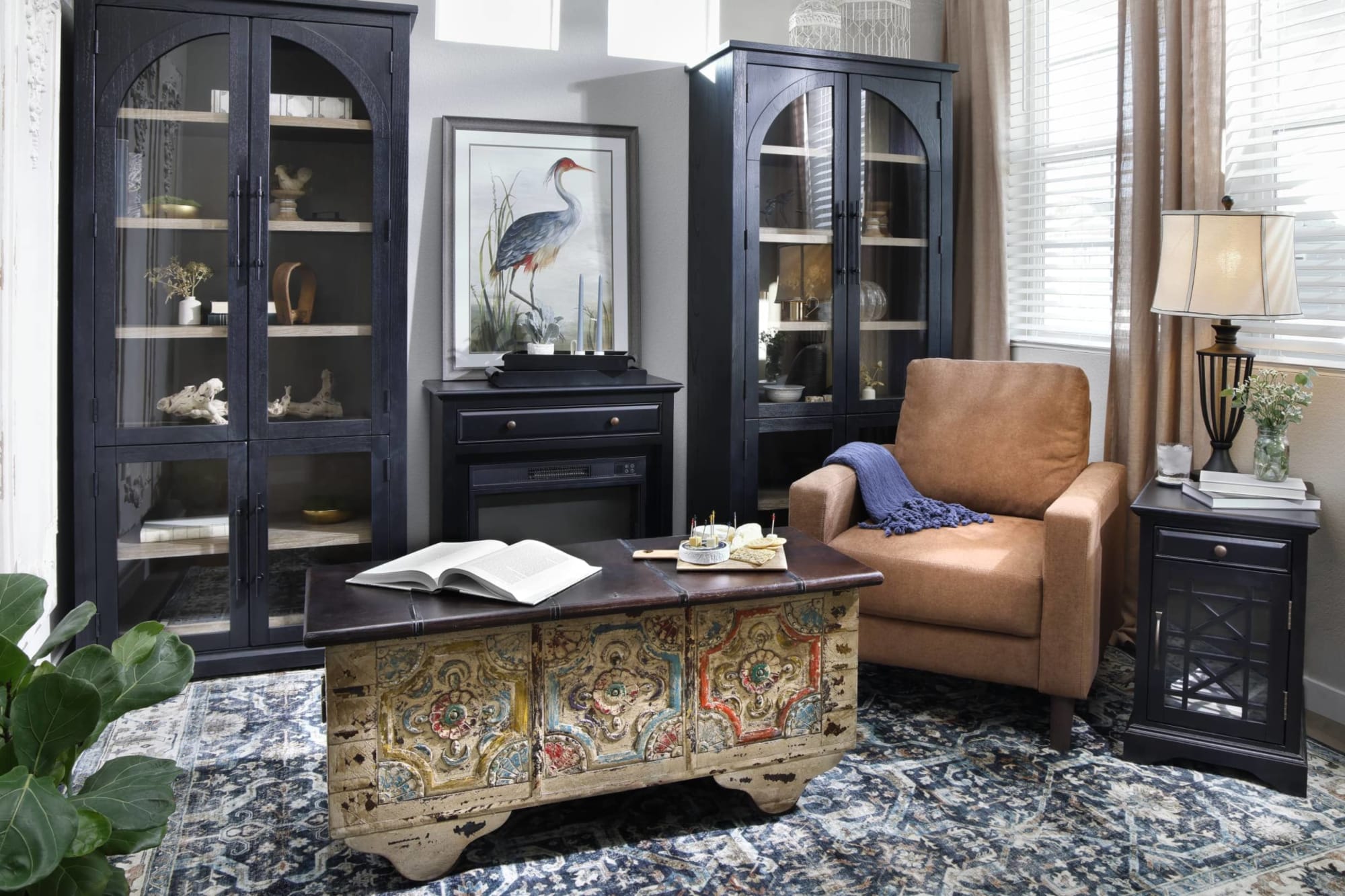
The New Era of Storage Furniture
Discover the new era of storage furniture with hidden compartments, wall beds, and stylish space-saving designs.

Made for Real Life: Your Ultimate Guide to Performance Fabrics
Discover durable, family‑friendly performance fabrics that resist stains, spills, and everyday wear for long‑lasting furniture.
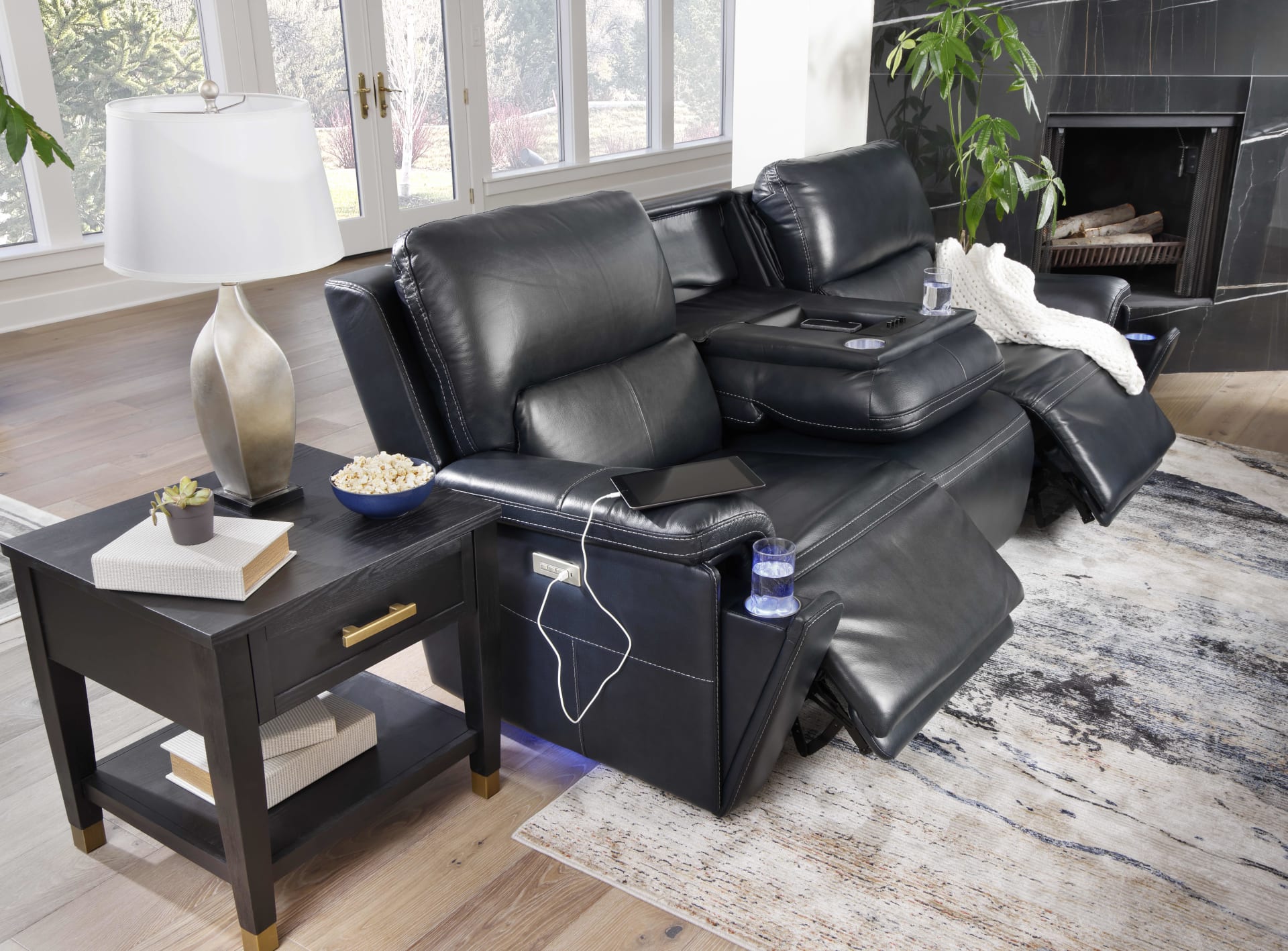
Spotlight on Immersive Sound Furniture
Bring cinematic surround sound home with high-tech immersive sofas, sectionals, recliners, and even beds.
The New Era of Storage Furniture
Discover the new era of storage furniture with hidden compartments, wall beds, and stylish space-saving designs.
Made for Real Life: Your Ultimate Guide to Performance Fabrics
Discover durable, family‑friendly performance fabrics that resist stains, spills, and everyday wear for long‑lasting furniture.
Spotlight on Immersive Sound Furniture
Bring cinematic surround sound home with high-tech immersive sofas, sectionals, recliners, and even beds.