


Open Floor Living: Top Trends, Benefits, and Design Tips
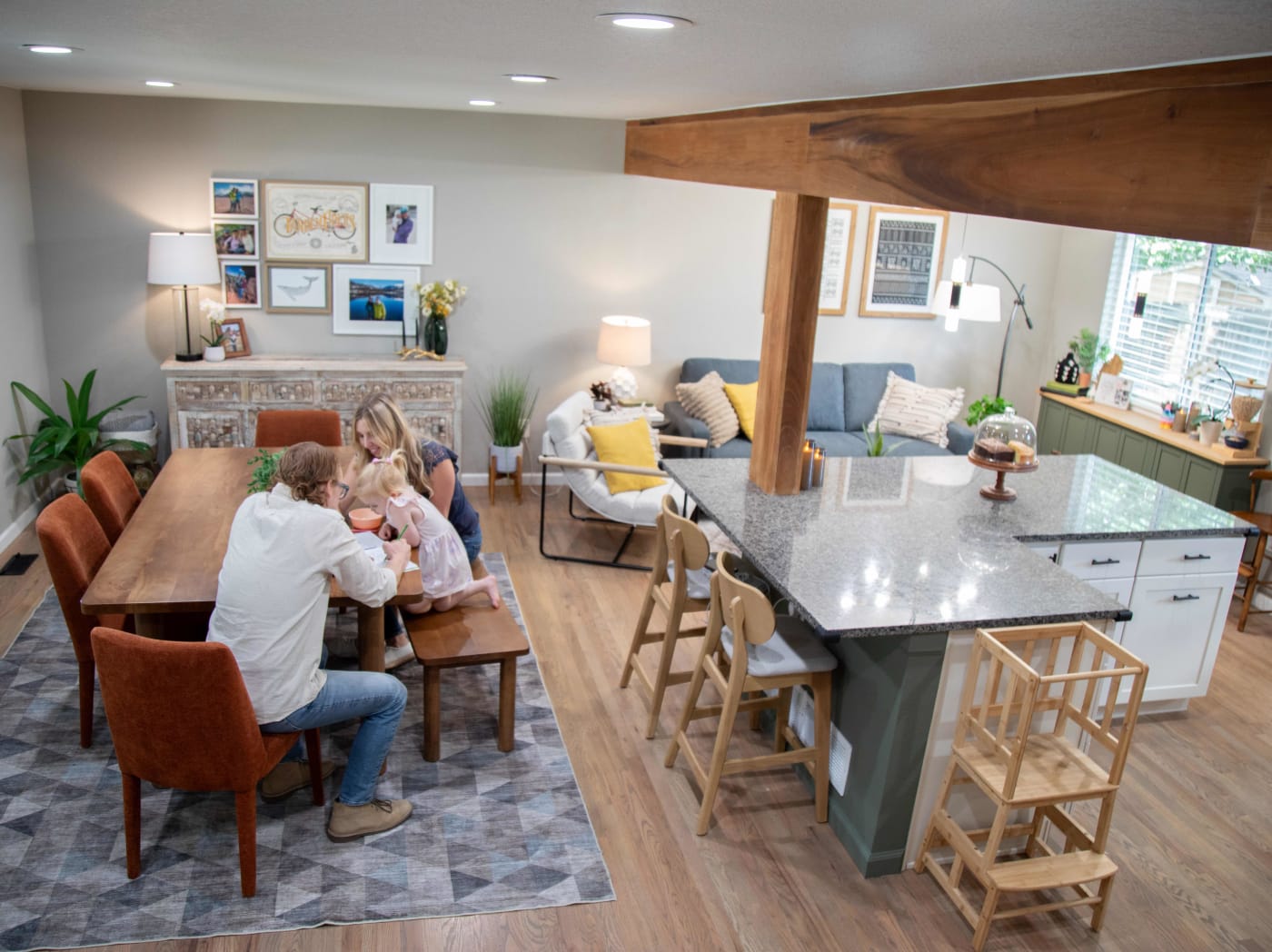
If you’ve ever looked around your home and thought, “What if these walls… just didn’t?” then congratulations—you’ve pondered the essence of open floor plans, the floor-plan philosophy that has dominated modern home design in recent decades. It’s breezy, it’s bright, it’s flexible, and it just feels bigger (even when square footage hasn’t changed by an inch).
But open floor plans are more than a layout; they're a lifestyle. In this blog, we’ll unpack why open floor plans are so beloved, what’s trending now, and—most importantly—how to create an open space that’s stylish, functional, and unmistakably you.
Why Open Floor Living Works—and the Benefits That Keep Us Obsessed
Open floor living is more than just a modern design staple—it’s a lifestyle upgrade. By removing walls, you create a home that feels connected, spacious, and effortlessly intuitive. Here’s why this layout continues to charm homeowners and designers alike.
- Bigger, Brighter Spaces: One of the biggest perks? The illusion of instant square footage. Removing walls lets sunlight travel freely, expanding sightlines and making rooms feel airy rather than compartmentalized. It’s a natural mood booster—because a brighter home feels like a happier home.
- The Ultimate Social Hub: Whether you’re prepping dinner, hosting a holiday bash, or keeping an eye on the kids, you’re always part of the action. The kitchen transforms from a workspace into a social center, allowing guests to mingle and family life to flow without bottlenecking in isolated rooms.
- Incredibly Flexible: Life changes fast, and open layouts keep up. A dining area can swap to a study nook, or your living area can shift to accommodate new furniture. Without rigid boundaries, your space adapts as you do.
- Seamless Traffic Flow: Say goodbye to awkward hallways and doors swinging into each other. Movement becomes smooth and intuitive, making your entire home feel more relaxed and accessible.
- Room to Play: From rearranging furniture on a Saturday whim to redefining zones for a party, open spaces encourage creativity. You have the freedom to keep your home dynamic and expressive.
- A Smart Investment: Open functional layouts remain a top priority for buyers, giving your home lasting appeal and higher resale potential when it’s time to move on.
Top Features that Make Open Spaces Feel Effortless
Uninterrupted Sightlines
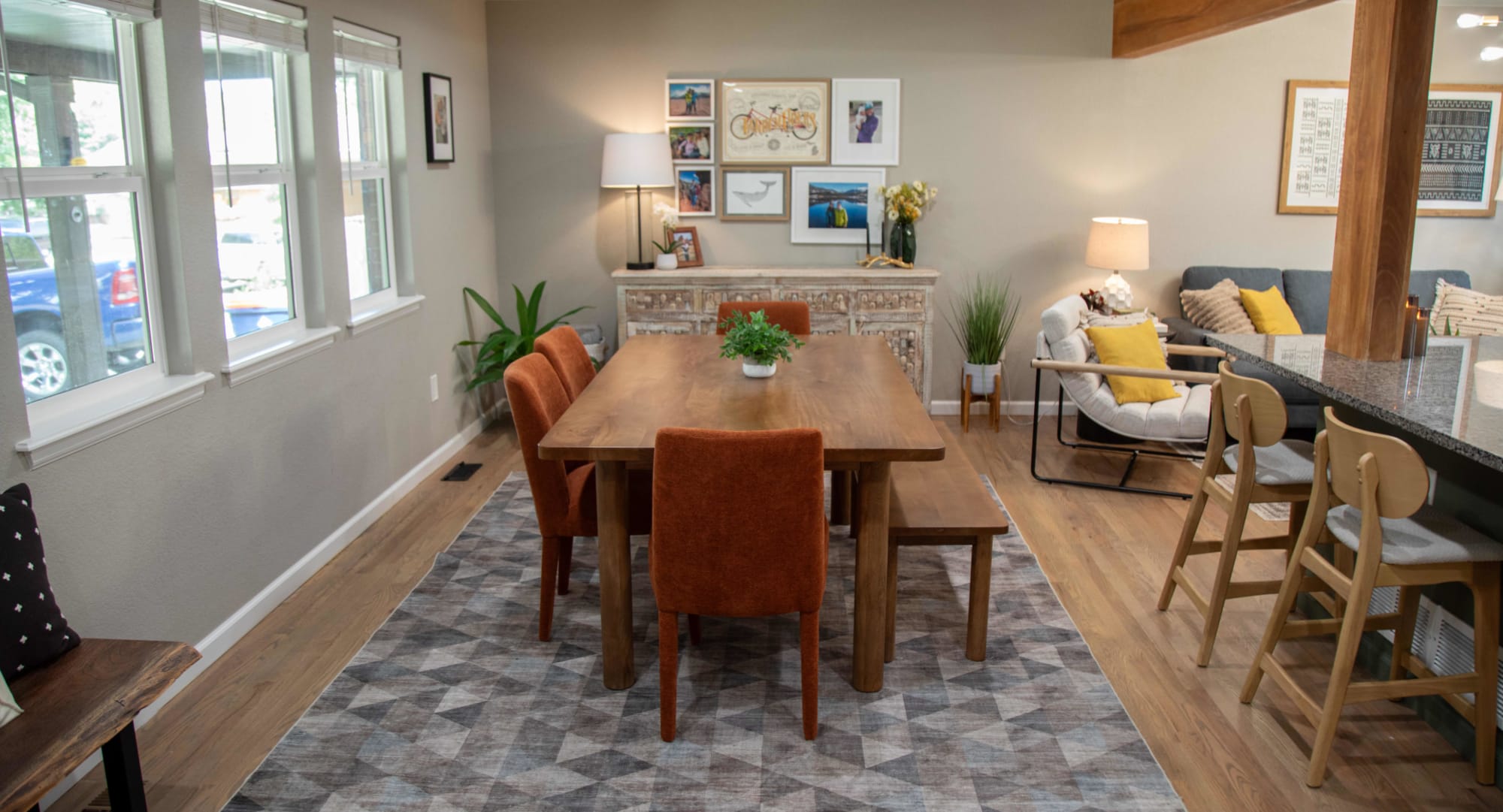
- One of the hallmarks of open concept spaces is seamless visual flow. Whether it’s the ability to see from kitchen island to back patio or from sofa to stovetop, this clarity is what gives the layout its signature airy feel.
Shared Materials and Color Palette
- Open spaces thrive when materials, flooring, and color schemes transition smoothly. Think: hardwood floors running through kitchen, dining, and living spaces; cohesive paint tones; or complementary textiles tying zones together.
Strategic Islands and Peninsulas
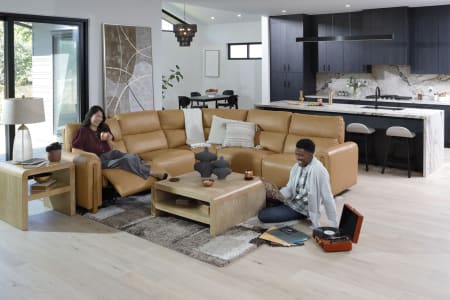
- In the absence of walls, functional furniture becomes architecture. Kitchen islands, console tables, bookcases, and sectionals often act as the new “dividers” that define separate zones without closing anything off.
Multi-Purpose Furnishings
- Because the space works hard, the furniture has to as well. Storage ottomans, extendable dining tables, and versatile accent chairs help balance aesthetics with practicality.
How to Design an Open Floor Space That Actually Works
Designing an open floor home is exciting—but also a challenge if everything feels like one giant room. Here’s how to keep things cohesive and purposeful.
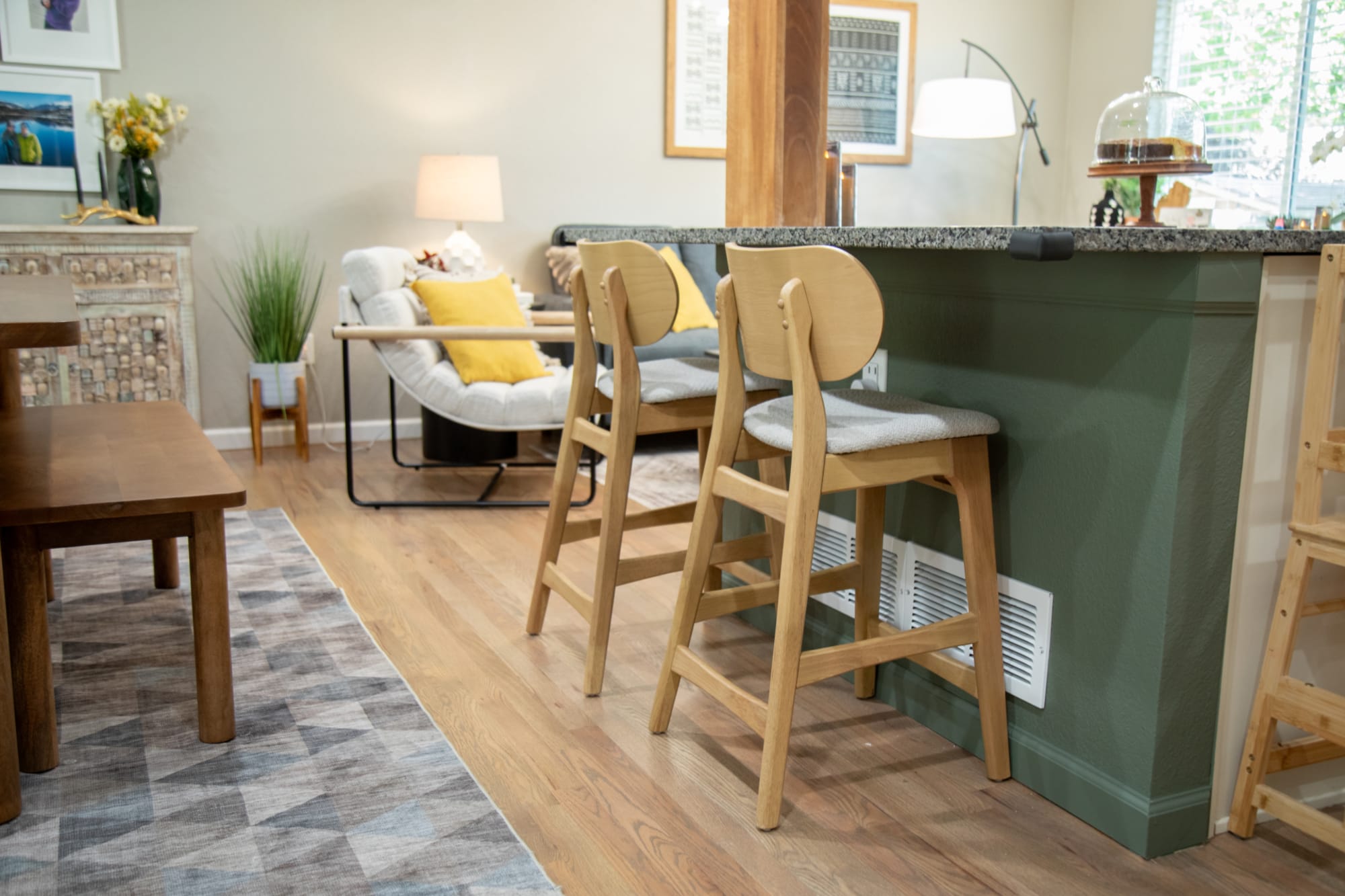
1. Create Zones Using Furniture and Layout
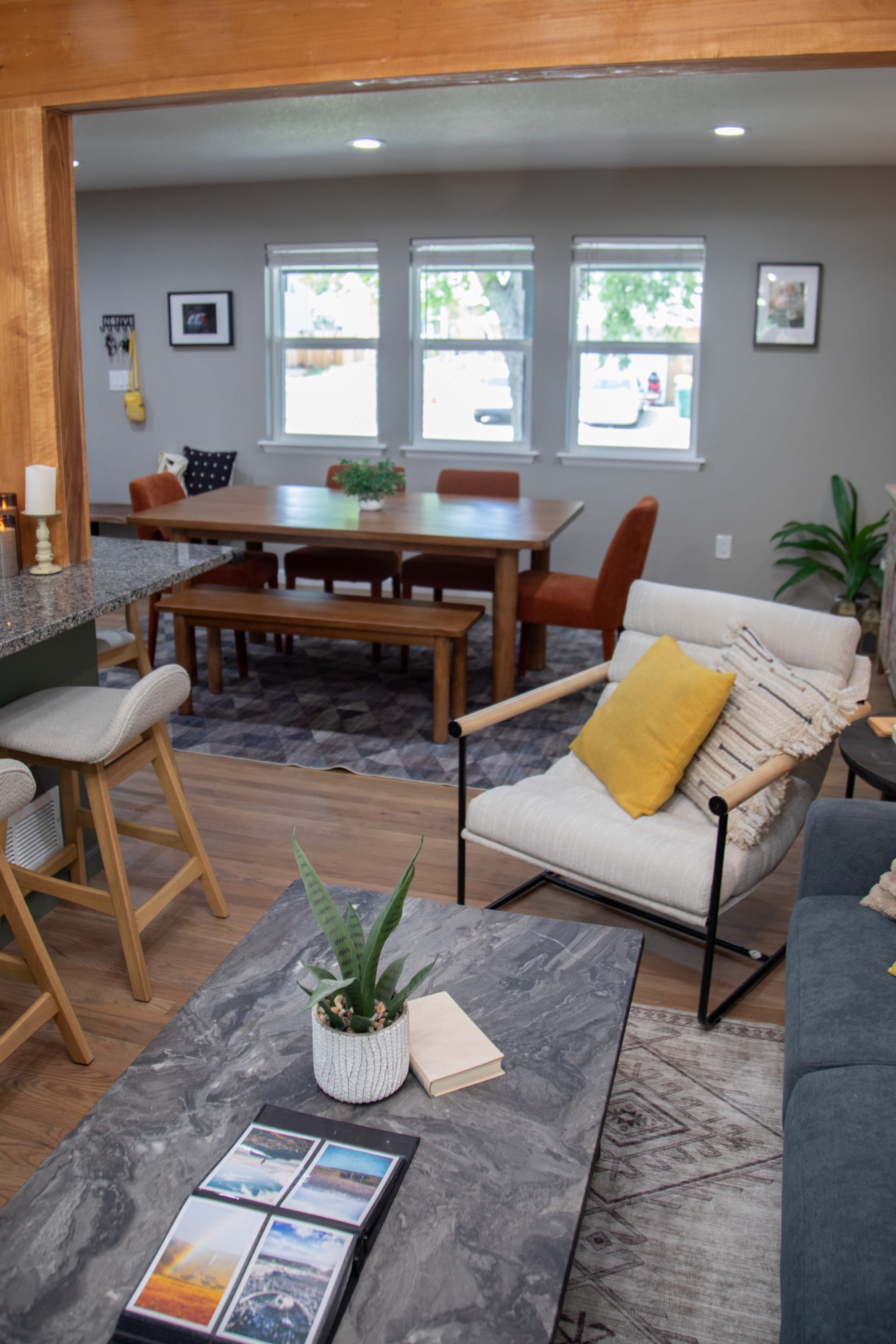
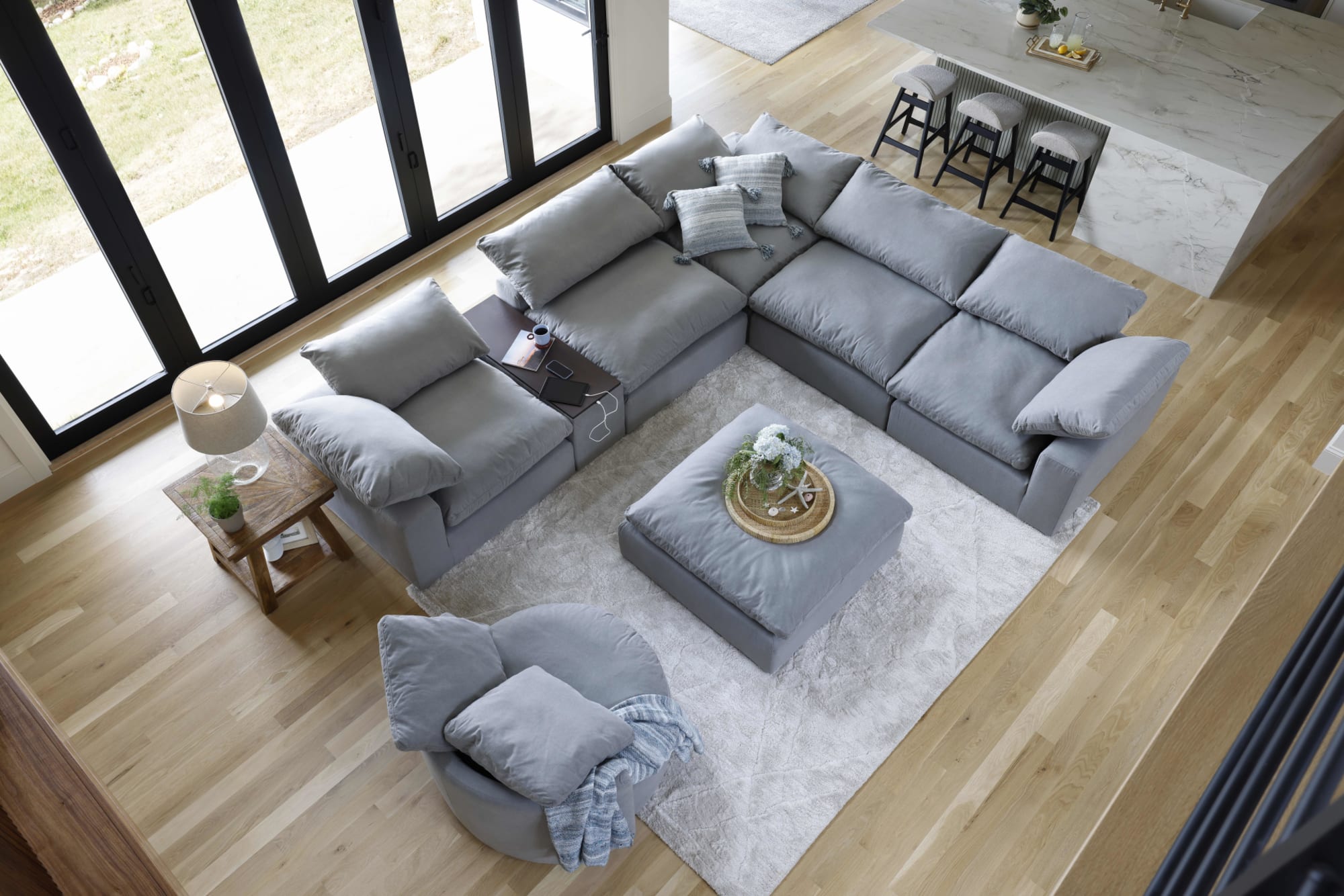
Forget building walls—let your layout do the talking. By strategically grouping furniture or anchoring spaces with select pieces, you can guide the eye and body through distinct zones that feel intuitive rather than cluttered. Create zones like:
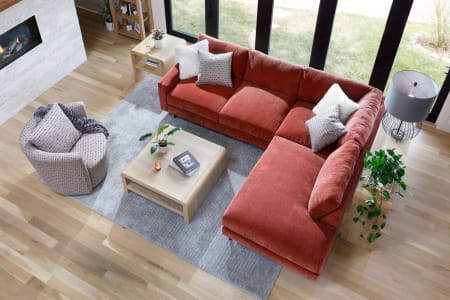
- Conversation area with a sectional or paired chairs
- Dining area anchored by a dining table and lighting
- Work nook using a compact desk and a stylish partition or shelving
The key is establishing structure without sacrificing openness—each zone should feel distinct yet still part of a cohesive visual story.
2. Establish a Unified Color Story—with Variation
Color is your secret weapon for continuity. Since the eye travels further in open spaces, sticking to a consistent palette of 3-5 hues acts as a visual thread, stitching the entire home together for seamless flow.
- Designer Trick: Choose one “hero hue” and repeat it subtly across the space for instant visual harmony.
When your color story is both consistent and layered, the entire space feels harmonious without losing its personality—proving that cohesion doesn’t have to mean playing it safe.
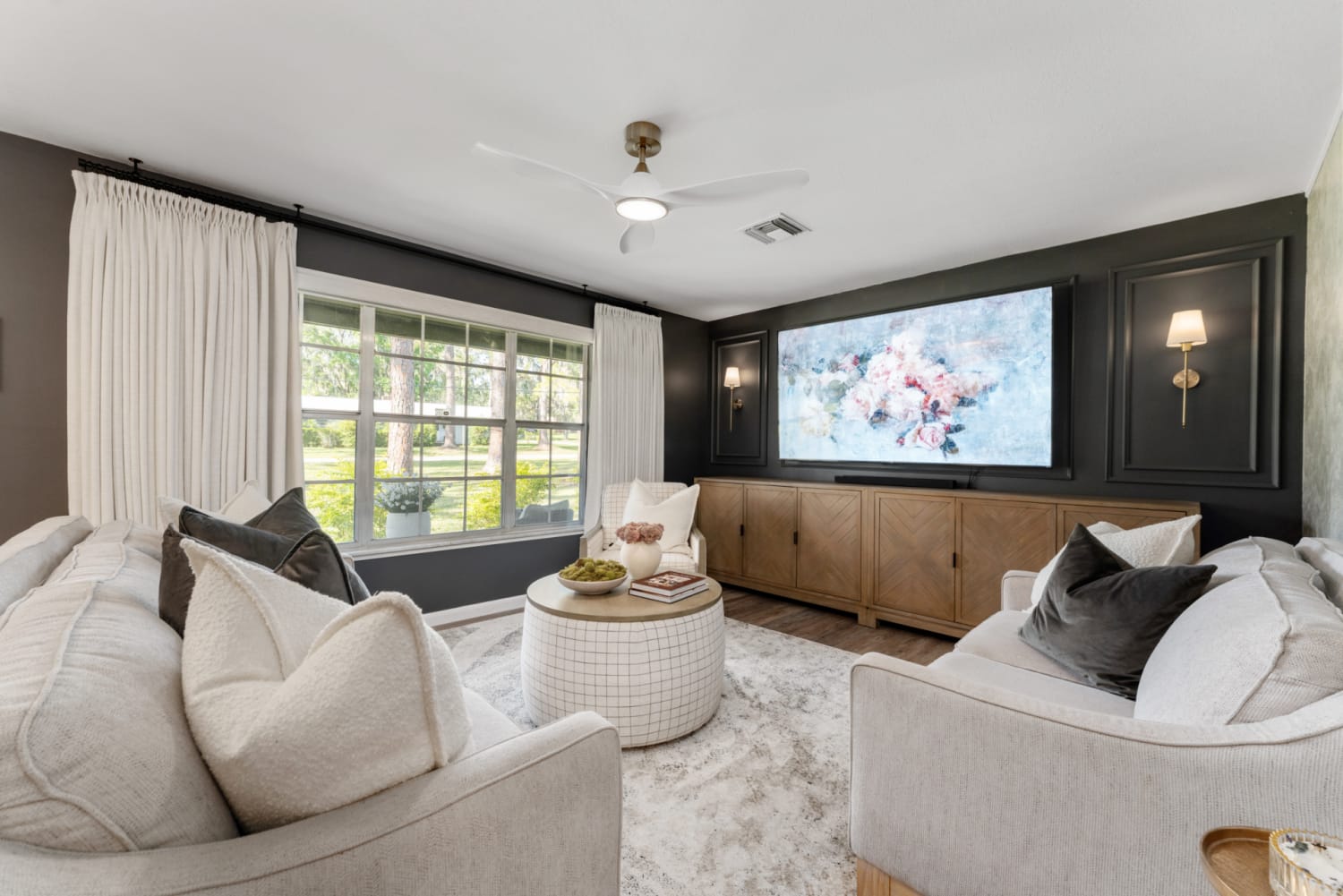
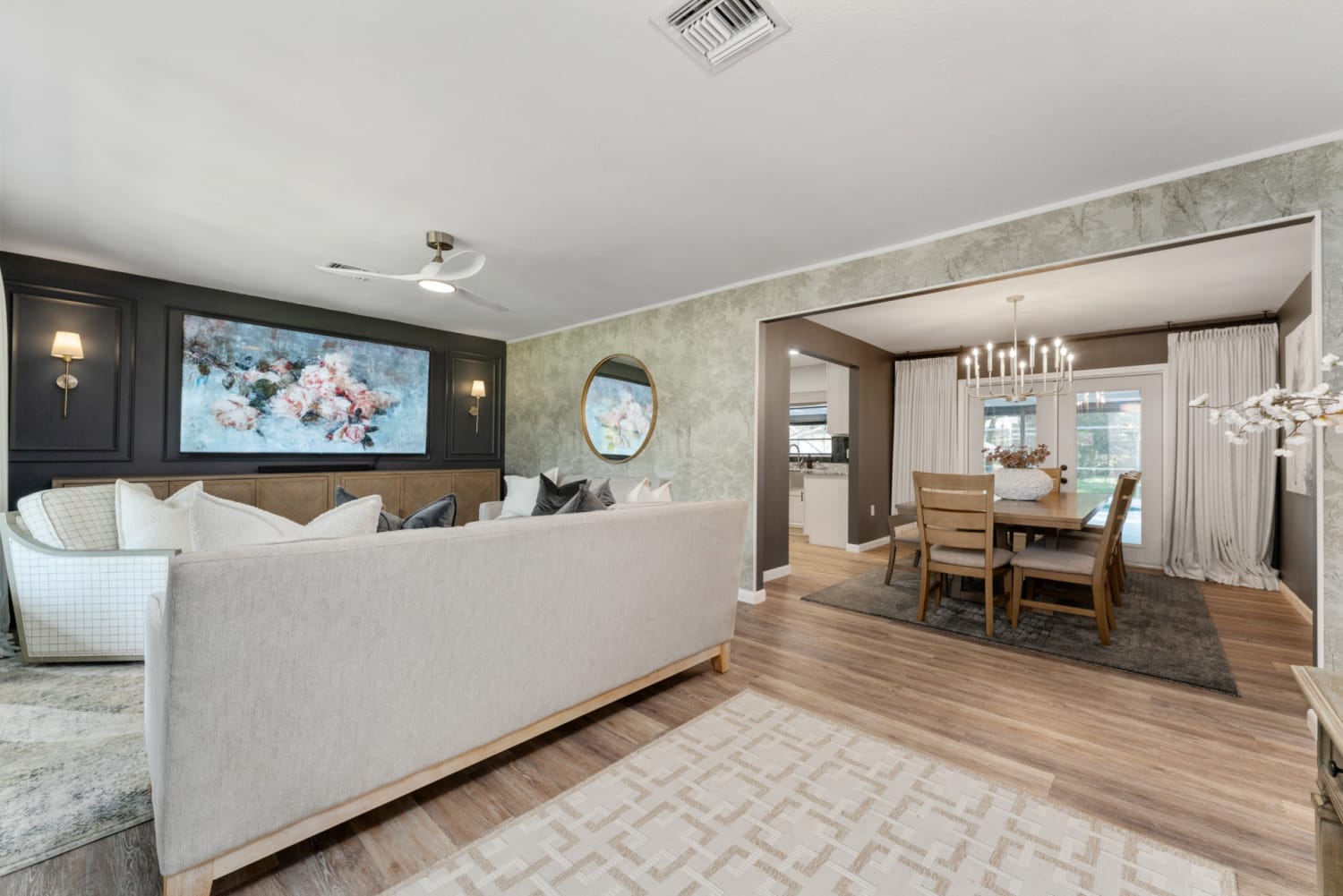
3. Make Lighting Do the Heavy Lifting
Lighting isn’t just functional; in an open plan, it’s architectural. Without walls to define the room, use layers of light—from statement pendants to cozy lamps—to shape the mood and subtly signal where one zone transitions to the next.
- Ambient lighting (recessed or flush-mount fixtures)
- Task lighting (pendants over the island, reading lamps)
- Accent lighting (sconces, art lights, or LED strips)
When lighting works in harmony instead of isolation, the entire floor plan feels intentional and elevated—proof that the right fixtures can do far more than brighten a room.
4. Use Architectural Details Thoughtfully
Prevent your home from feeling like a warehouse by adding character that grounds the space. Subtle structural cues like ceiling beams or half-walls provide necessary visual rhythm, keeping the layout expansive yet cozy. Here are some examples that always shine:
- Ceiling beams
- Half walls
- Decorative columns
- Fireplace features
Strategic detailing can provide visual rhythm—creating a sense of place without closing anything off.
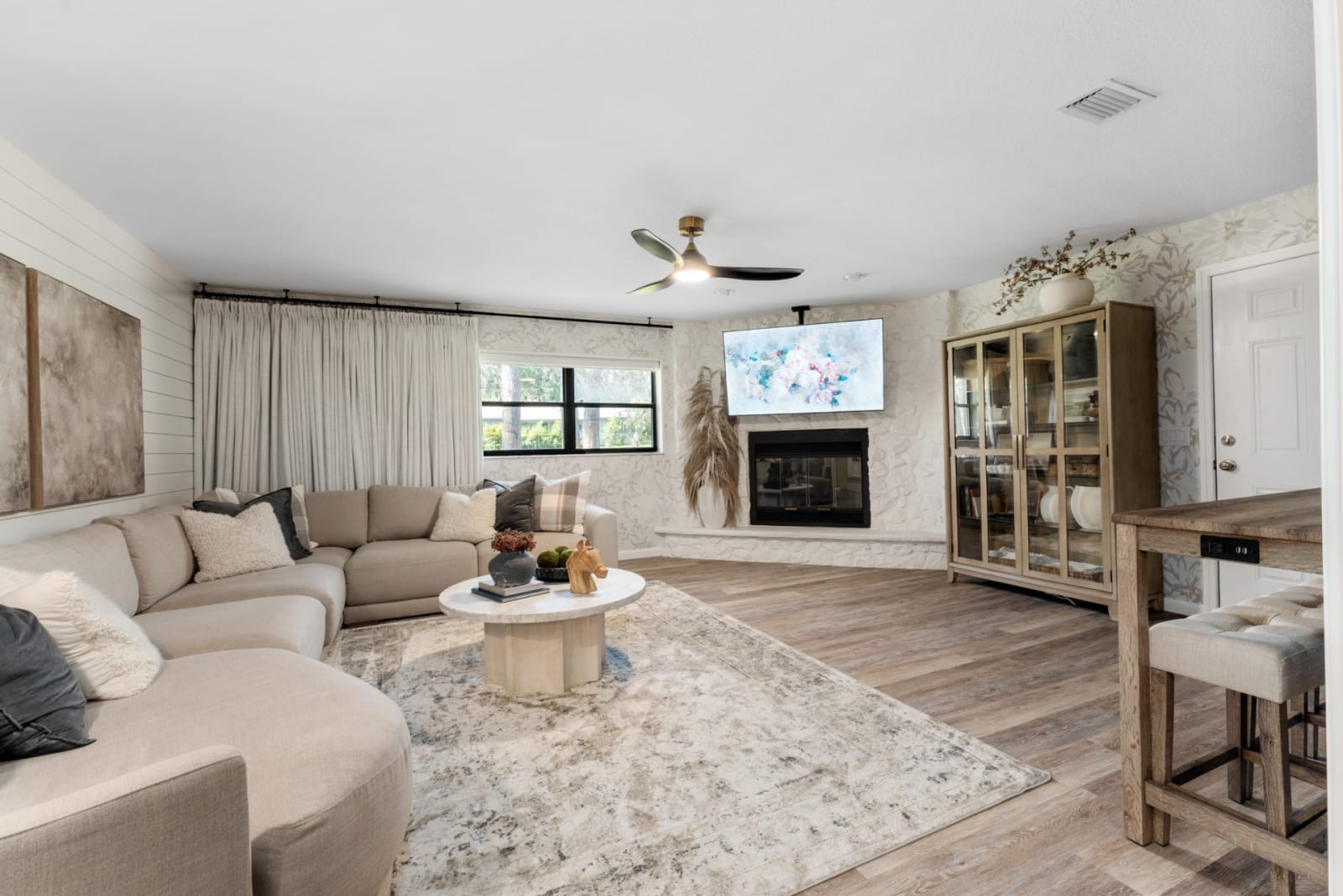
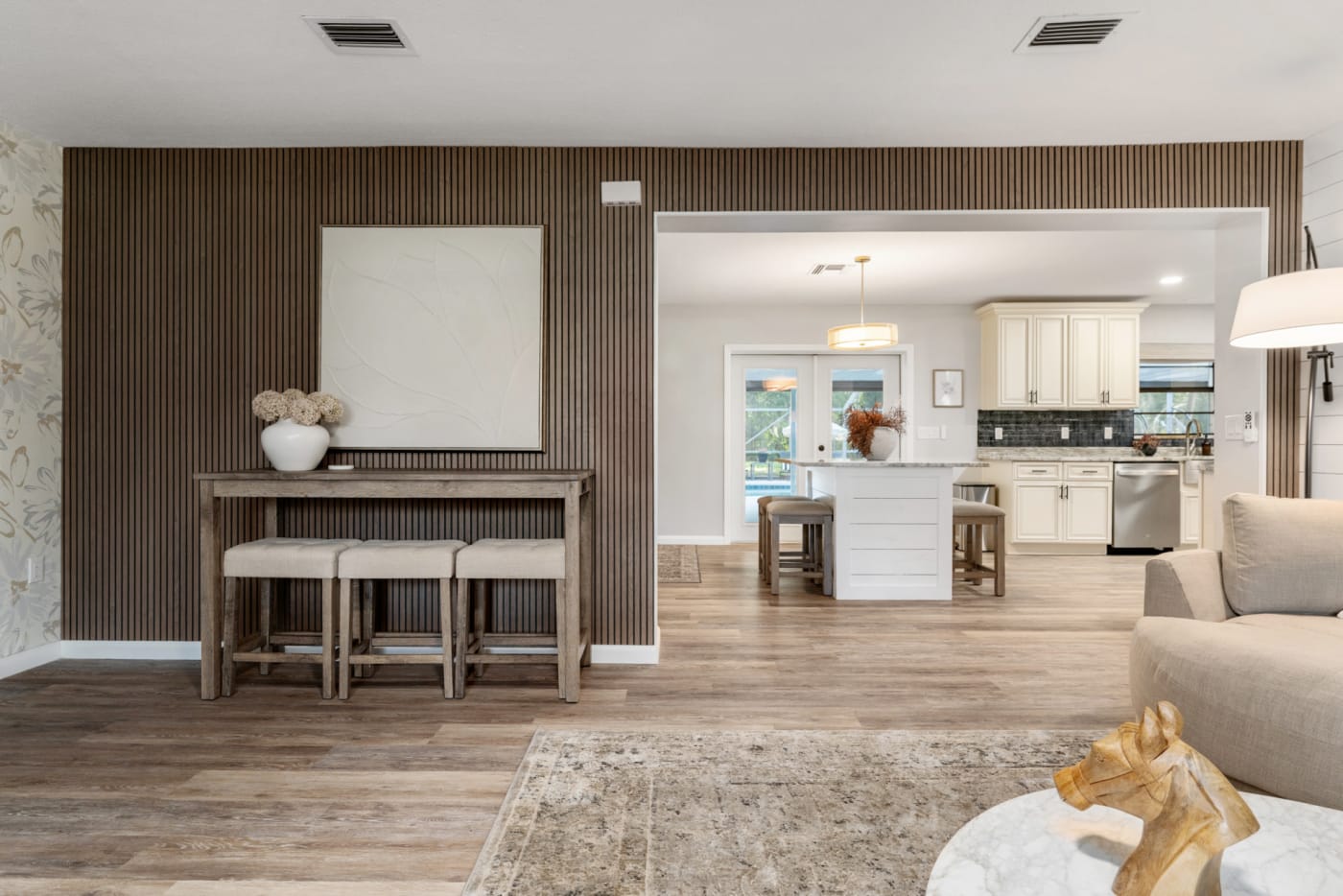
5. Incorporate Storage That Blends In
With nowhere for clutter to hide, stealthy storage is non-negotiable in open floor plans. Opt for multi-tasking furniture like storage ottomans or built-ins that keep daily mess out of sight, letting your open lines shine. Consider:
- Extra-deep media consoles
- Storage benches
- Island cabinetry
- Floating shelves
- Built-ins
Discreet storage keeps the space feeling clean, breathable, and beautifully functional—allowing the openness to shine instead of the mess.
6. Keep Overall Flow Intuitive
Great flow is invisible—you only notice it when it’s wrong. A well-planned layout allows you to move effortlessly between zones without dodging furniture, ensuring your home feels as relaxed as it looks. Ask yourself:
- Can you walk from the living room to the dining area without zigzagging around furniture?
- Is the kitchen convenient to the seating area without feeling like a stage?
- Is the dining table placed where people naturally gather?
Function should always lead form in open layouts. When circulation is intuitive, the entire space becomes more welcoming—proof that beauty and practicality can (and should) coexist seamlessly.
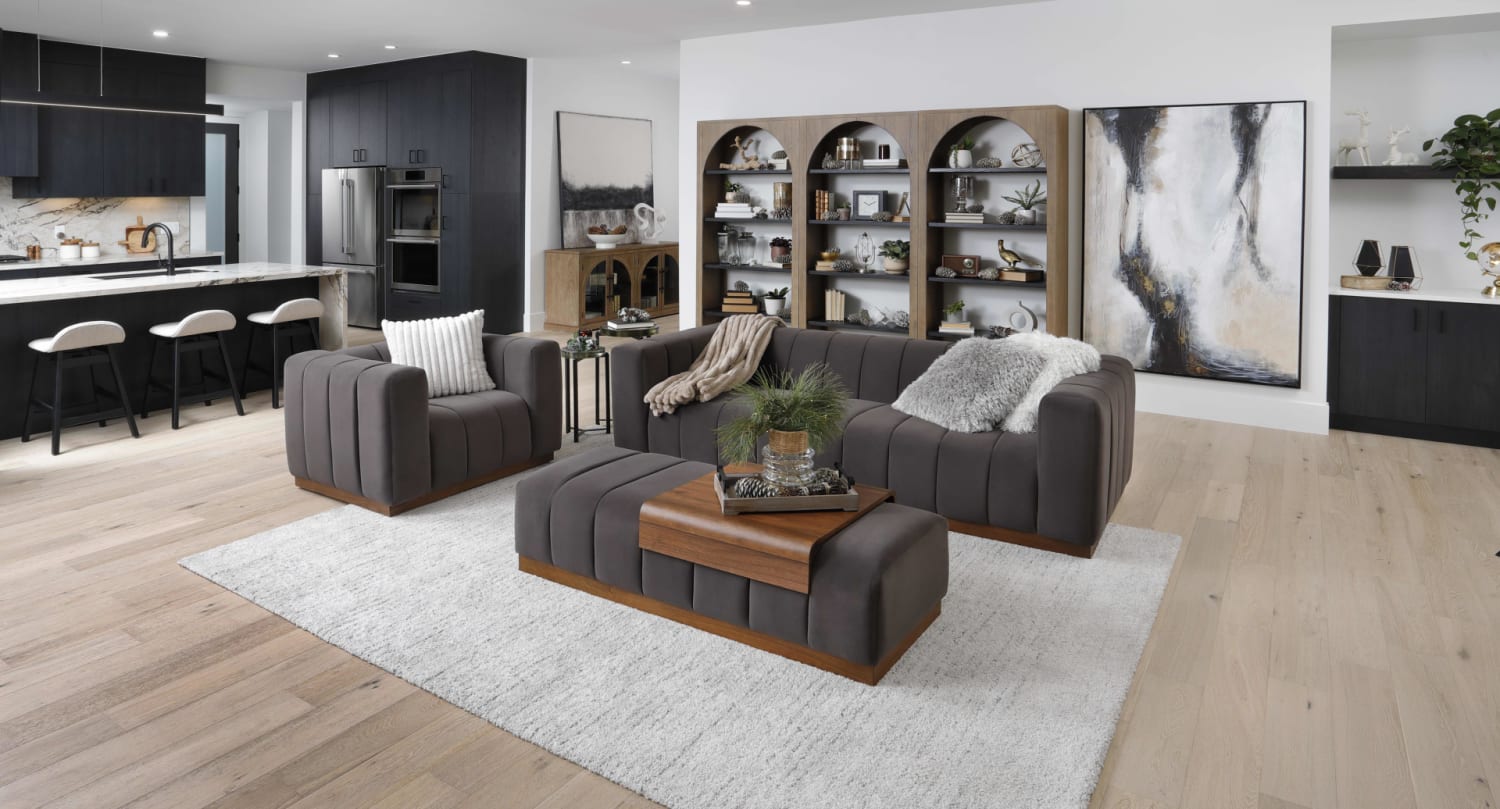
7. Add Personality—Just Don’t Overwhelm the Space
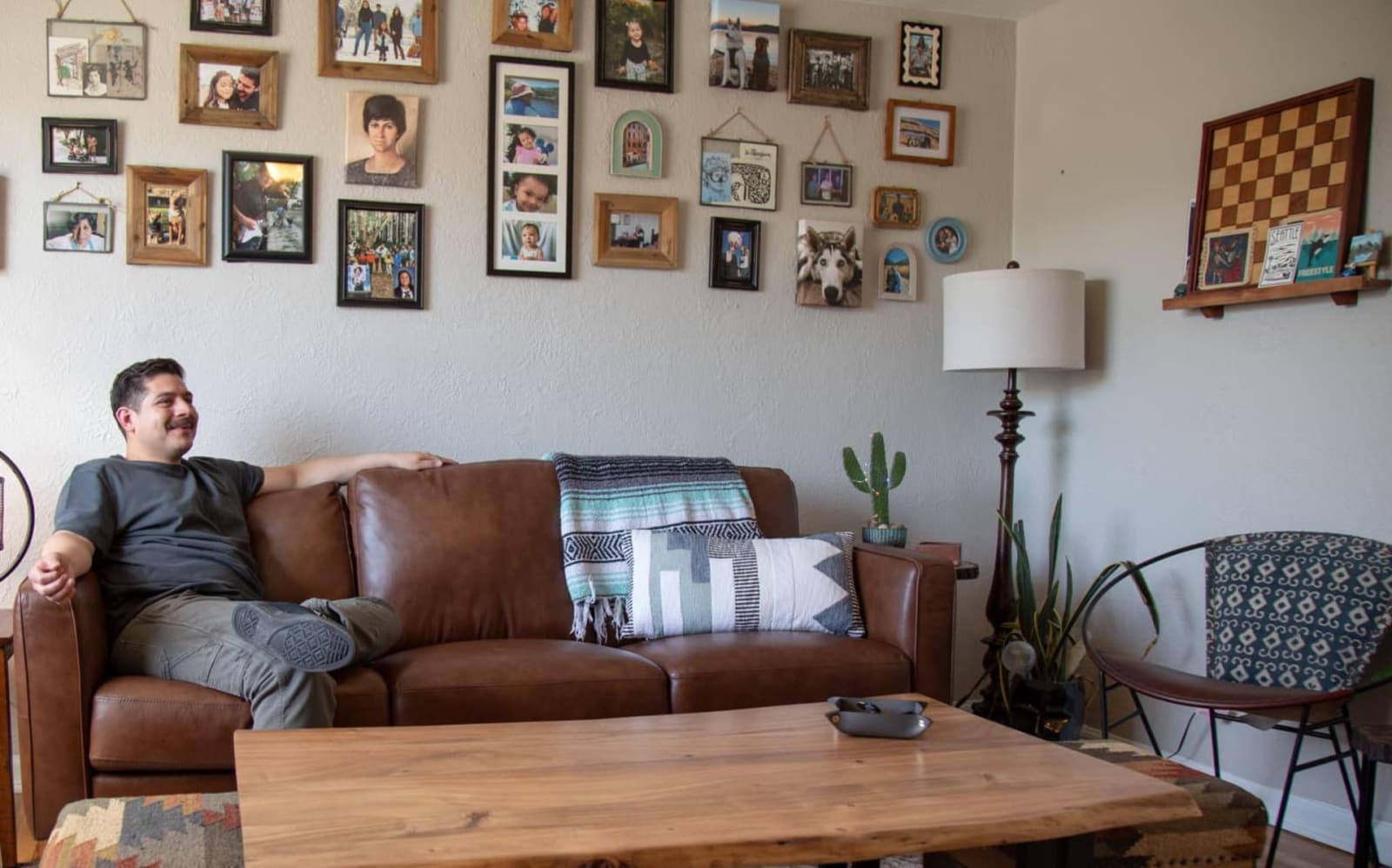
Open spaces thrive on simplicity, but they shouldn’t feel like a sterile showroom. The trick is to curate rather than clutter—layering in plants, textures, and art to add warmth without blocking those airy sightlines. Layer in:
- Family photos
- Statement décor
- Plants
- Interesting textures
- Accent pieces with character
When these touches are thoughtfully placed, they infuse the space with warmth and identity—reminding us that an open home can still feel deeply personal.
Common Mistakes to Avoid (So You Stay in “Open Bliss”)
- Oversized Furniture: It’s tempting with so much room—but oversized pieces can dominate the space.
- Too Many Competing Styles: If one zone screams “coastal” and another whispers “mid-century industrial farmhouse chic,” the result can feel chaotic.
- Neglecting Storage: Beautiful openness quickly feels messy without proper storage solutions.
- Poor Furniture Placement: Pushing everything against the walls can make even an open space feel awkwardly empty.
- Forgetting Lighting Variety: One big ceiling fan light is not enough. (Your home deserves better.)
Steer clear of these pitfalls, and your open concept home will stay effortlessly cohesive—more “open concept bliss,” less “open concept stress.”
New Trends Taking Over Open Floor Plans
- Semi-Open Floor Plans: Surprise! The pendulum is swinging slightly back toward thoughtfully partially divided spaces. Think half-walls, glass partitions, double-sided fireplaces, or built-in shelving that creates zones while still allowing light and flow.
- Statement Wallpaper as a Zone-Maker: Who needs walls when you have wallpaper? Designers are increasingly using bold prints or textured murals to visually "anchor" floating areas like dining nooks or entryways.
- Ceiling Treatments That Define Space: Beams, tray ceilings, wood slats, and bold lighting have become subtle ways to define rooms—without compromising the open feel.
- Mixed Textures for Warmth: To avoid the “warehouse effect,” homeowners are layering materials like wood, boucle upholstery, stone, and woven elements. These soften the openness and add cozy dimension.
- Indoor-Outdoor Blurring: Large sliding doors or accordion windows create an “expanded” open concept, connecting interiors to patios or decks.
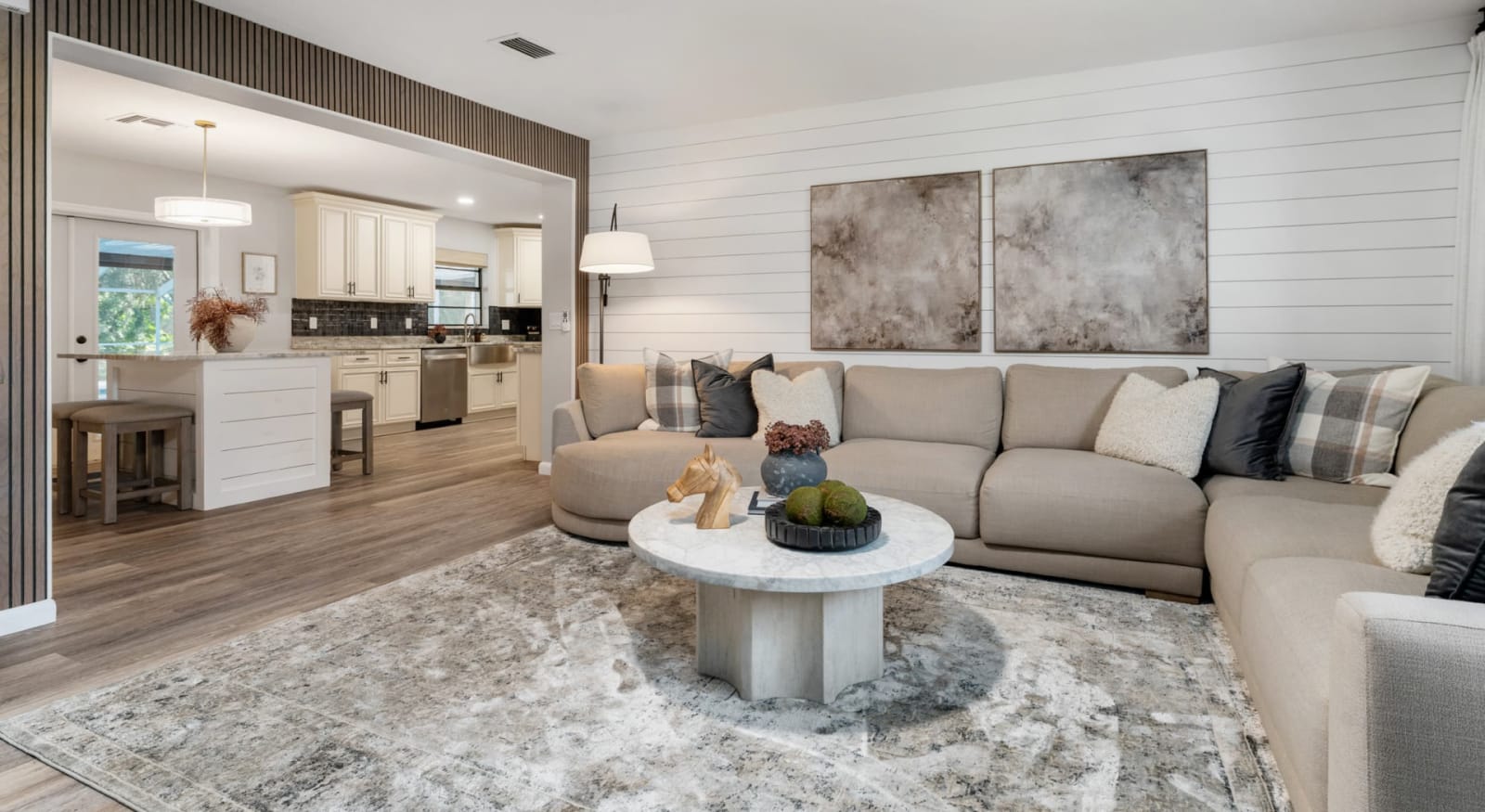
Making Space for the Life You Want
Open concept living is all about flow, light, and connection—but is it right for you? It’s likely a perfect match if:
- You love a lively home where conversation travels freely between rooms.
- You want to be part of the party, even when you’re stuck chopping veggies in the kitchen.
- You crave bright, airy spaces that never feel boxed in.
- You don’t mind a little visibility (and are cool with keeping the clutter under control!).
If you found yourself nodding along, you’re ready to tear down those walls. If not? A semi-open layout might be your sweet spot. At the end of the day, your home should serve your life. Sometimes walls define a room, but removing them might just define a whole new way of living. Happy designing!
Find More Home Inspiration
Go to the Blog
Make Your Living Room Movie Night Ready
Make your living room movie-night ready with smart TV placement, cozy seating, layered lighting, and stylish snack stations.
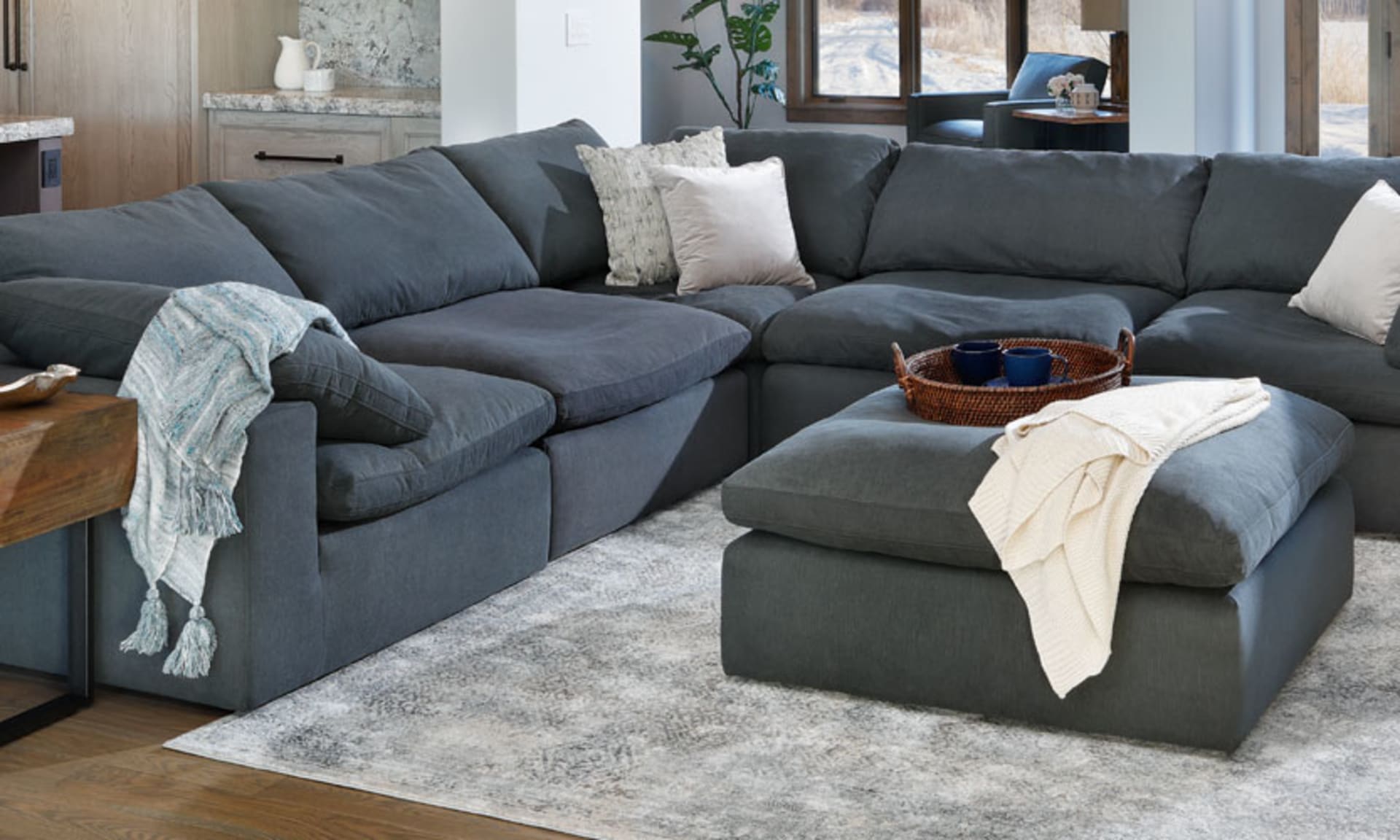
The 5 Best Modular Sectionals of 2026
Explore the five best modular sectionals of 2026, from reclining corduroy to built-in surround sound, built for every living room style.
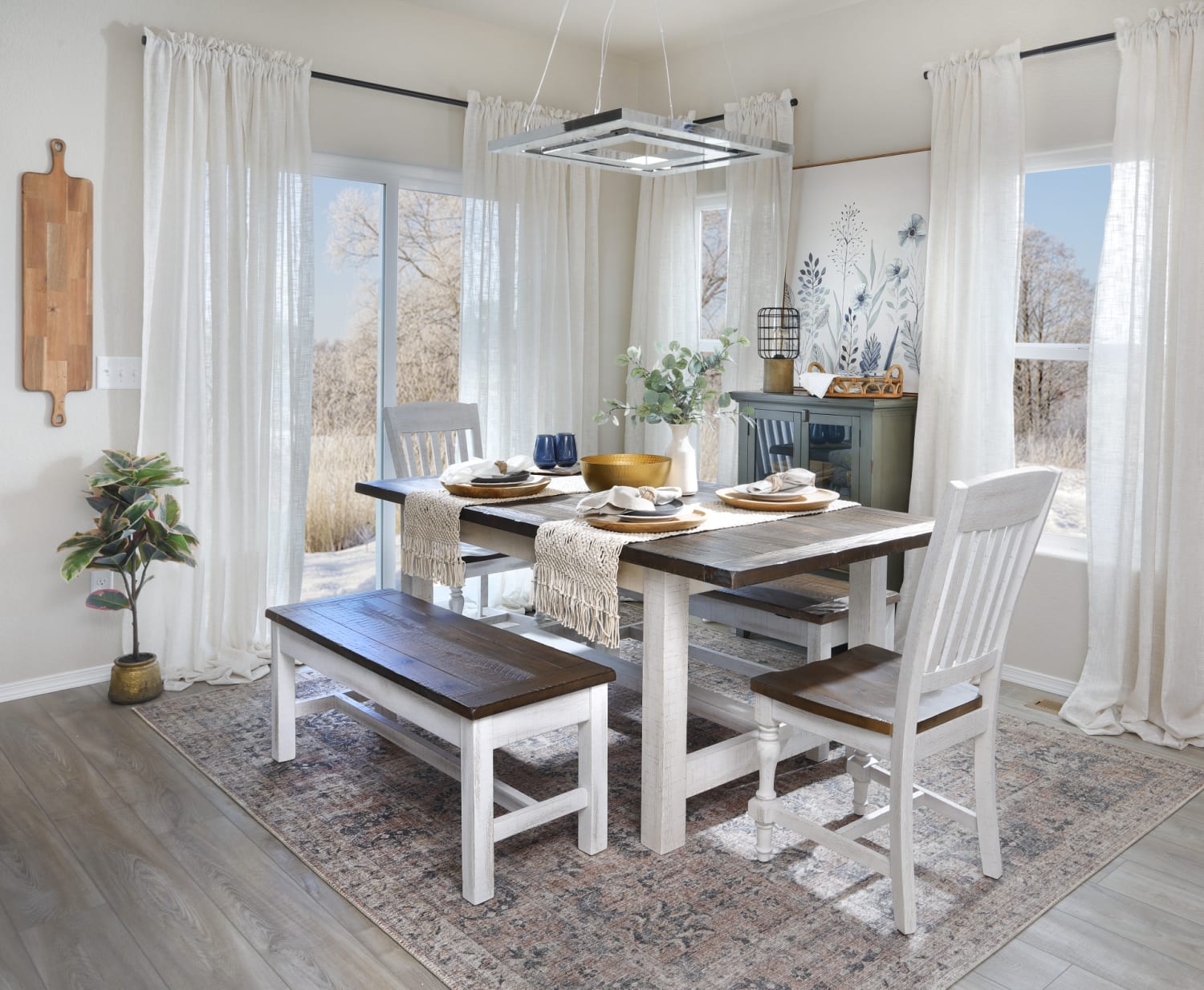
How to Find the Perfect Dining Table
Find your perfect dining table by exploring size, shape, material, and base options with this comprehensive dining room furniture buying guide.
Make Your Living Room Movie Night Ready
Make your living room movie-night ready with smart TV placement, cozy seating, layered lighting, and stylish snack stations.
The 5 Best Modular Sectionals of 2026
Explore the five best modular sectionals of 2026, from reclining corduroy to built-in surround sound, built for every living room style.
How to Find the Perfect Dining Table
Find your perfect dining table by exploring size, shape, material, and base options with this comprehensive dining room furniture buying guide.