


Style Guide: Minimalist Style Embraces Simplicity and Serenity
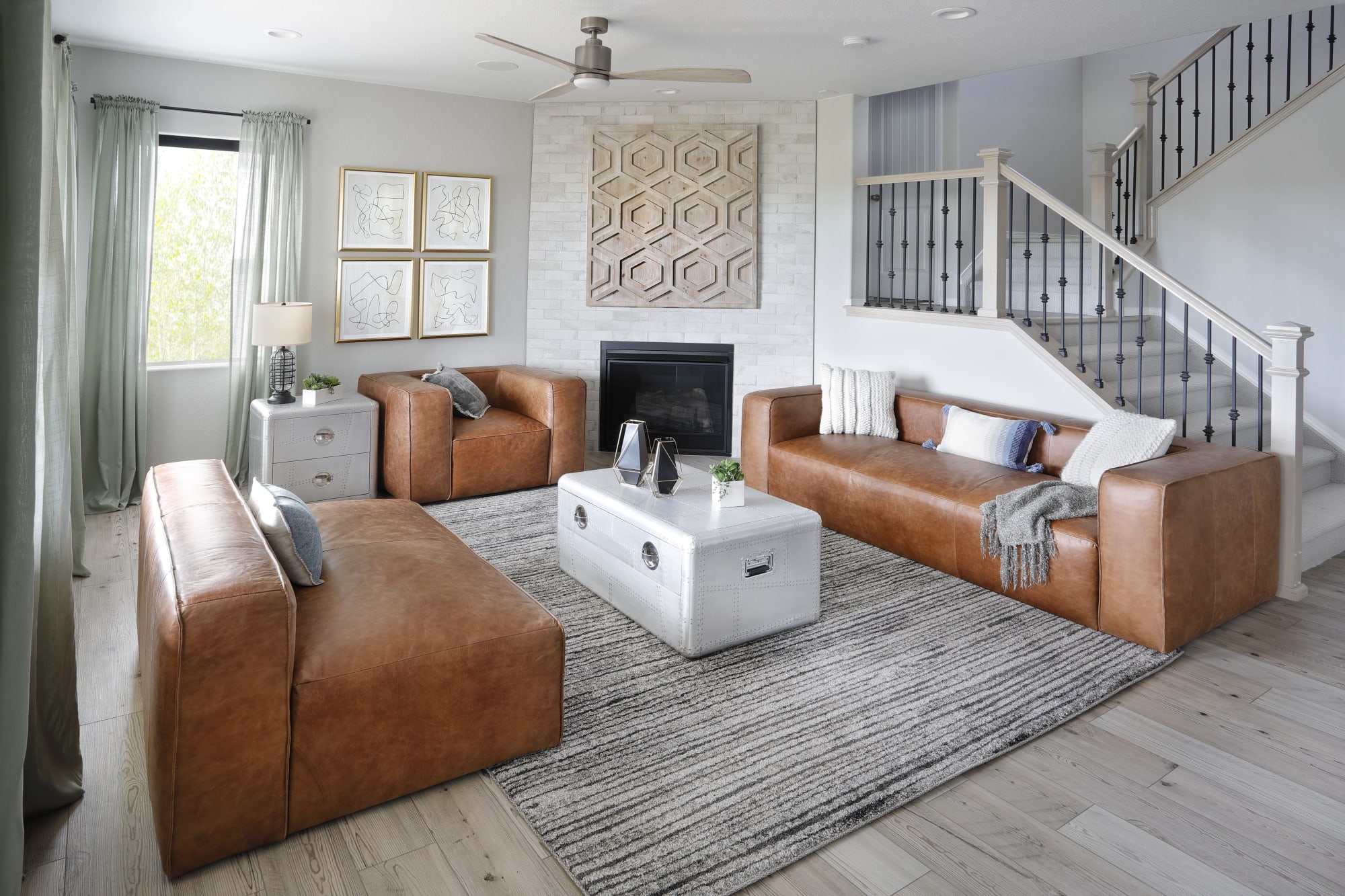
Minimalist style isn’t just a trend—it’s a way of living with intention. Clean lines, calming color palettes, and clutter-free spaces define this design approach. Rooted in the idea that “less is more,” minimalist interiors help you focus on what truly matters: comfort, function, and timeless beauty.
Whether you’re furnishing a studio apartment or refreshing your entire home, Furniture Row has everything you need to bring minimalist style to life.
What Is Minimalist Style?
Minimalist style is about living with intention by stripping design down to its essentials. It emphasizes clarity, space, and purpose, with streamlined furniture pieces, clean lines, and monochromatic color palettes that make simplicity a statement. Every element—whether a low-profile sofa or a single piece of wall art—serves a function or brings joy. The result is a home that feels calm, modern, and open
Core characteristics of minimalist style include:
- Neutral Color Palettes: Think soft whites, dark grays, sandy beiges, and muted earth tones.
- Clean Lines: Furniture with sleek silhouettes and simple forms.
- Negative Space: Open areas that allow your eyes—and your mind—to rest.
- Functional Beauty: Pieces that prioritize use and purpose, with subtle elegance.
- Clutter-Free Surfaces: Thoughtful storage solutions and carefully chosen accessories.
How to Achieve the Minimalist Look
1. Start with a Neutral Base
Minimalist design begins with a soothing color foundation. Soft neutrals like white, cream, and light gray help create an open, airy feeling that instantly calms the space. These muted tones allow the lines and materials of your furniture to shine, while making rooms feel brighter and more spacious.
2. Choose Furniture with Clean Lines
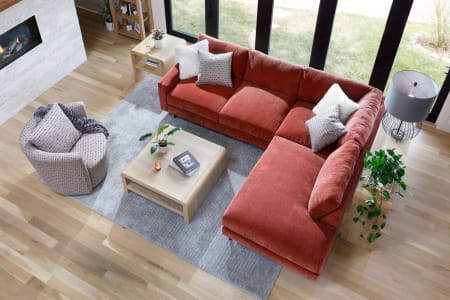
When it comes to furniture, less is more. Look for pieces with simple silhouettes, smooth surfaces, and minimal ornamentation. A streamlined sectional or an unadorned platform bed speaks volumes with its simplicity—and fits seamlessly into the overall flow of the room.
3. Prioritize Function Over Excess
Everything in a minimalist home should have a purpose. Multi-functional furniture—like a sleeper sofa, a storage ottoman, or a modular sectional—helps reduce clutter while maximizing usability. Even accent pieces should feel intentional, not just decorative.
4. Let the Space Breathe
Negative space is essential to the minimalist aesthetic. Instead of filling every corner, allow open areas to serve as visual pauses. This breathing room lets statement pieces take center stage and gives the overall design a sense of calm and clarity.
5. Add Texture, Not Clutter
Minimalist style doesn’t mean flat or sterile. Use texture to add warmth and depth—like pairing a leather armchair with a boucle throw or layering a woven rug over smooth hardwood floors. A mix of tactile materials can bring richness to a space without overwhelming it.
6. Be Intentional With Decor
Decor in a minimalist home should feel curated, not crowded. A single sculptural vase, an abstract art print, or a well-placed plant can offer visual interest without competing for attention. Choose accents that spark joy and give them room to stand out.
Minimalist Style Room by Room
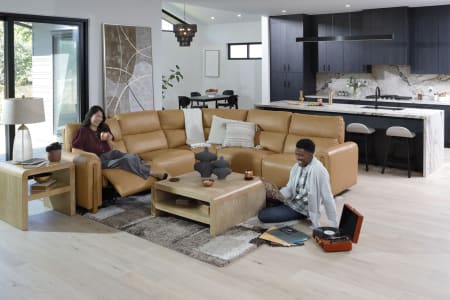
How to Style a Minimalist Living Room
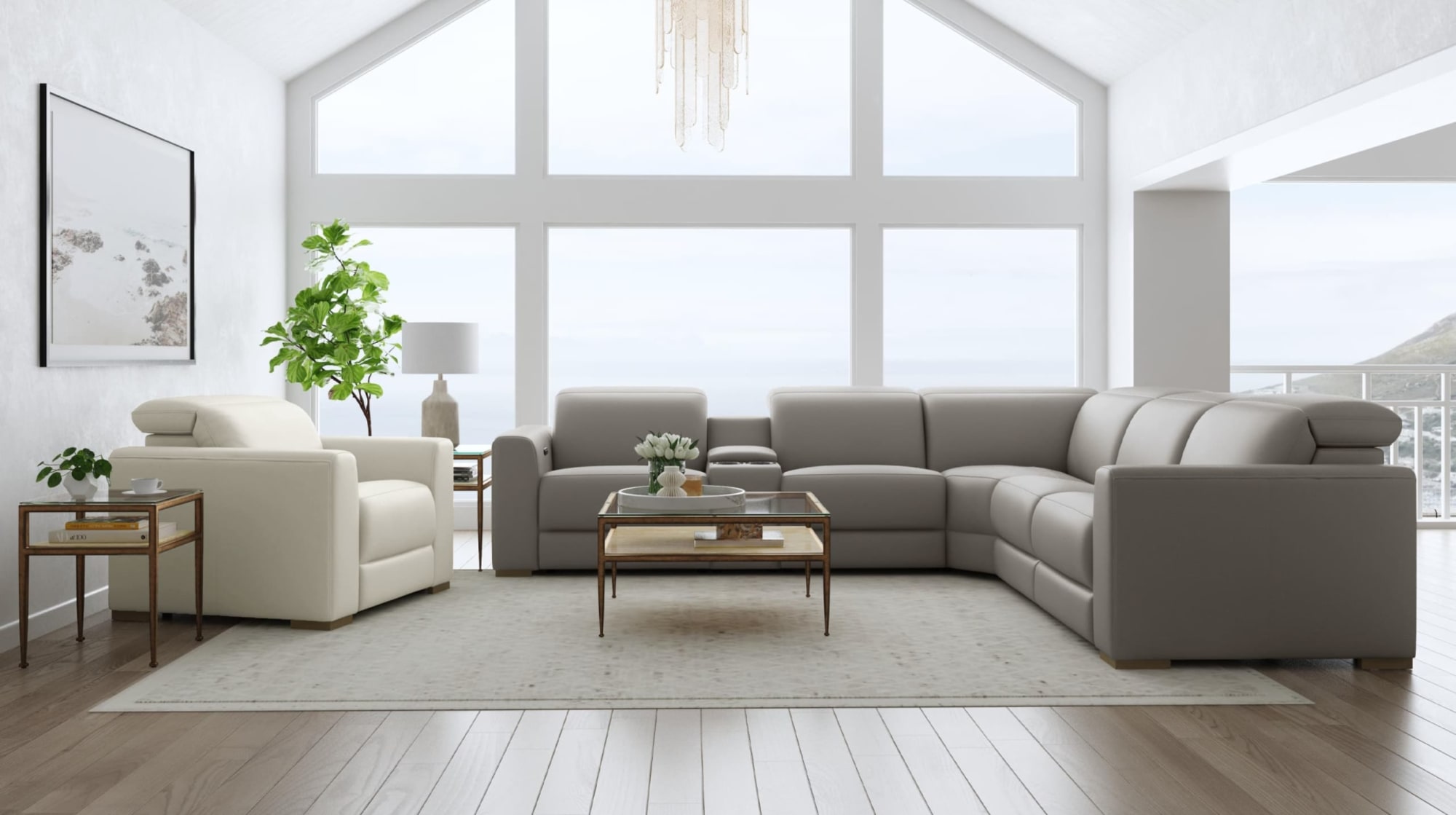
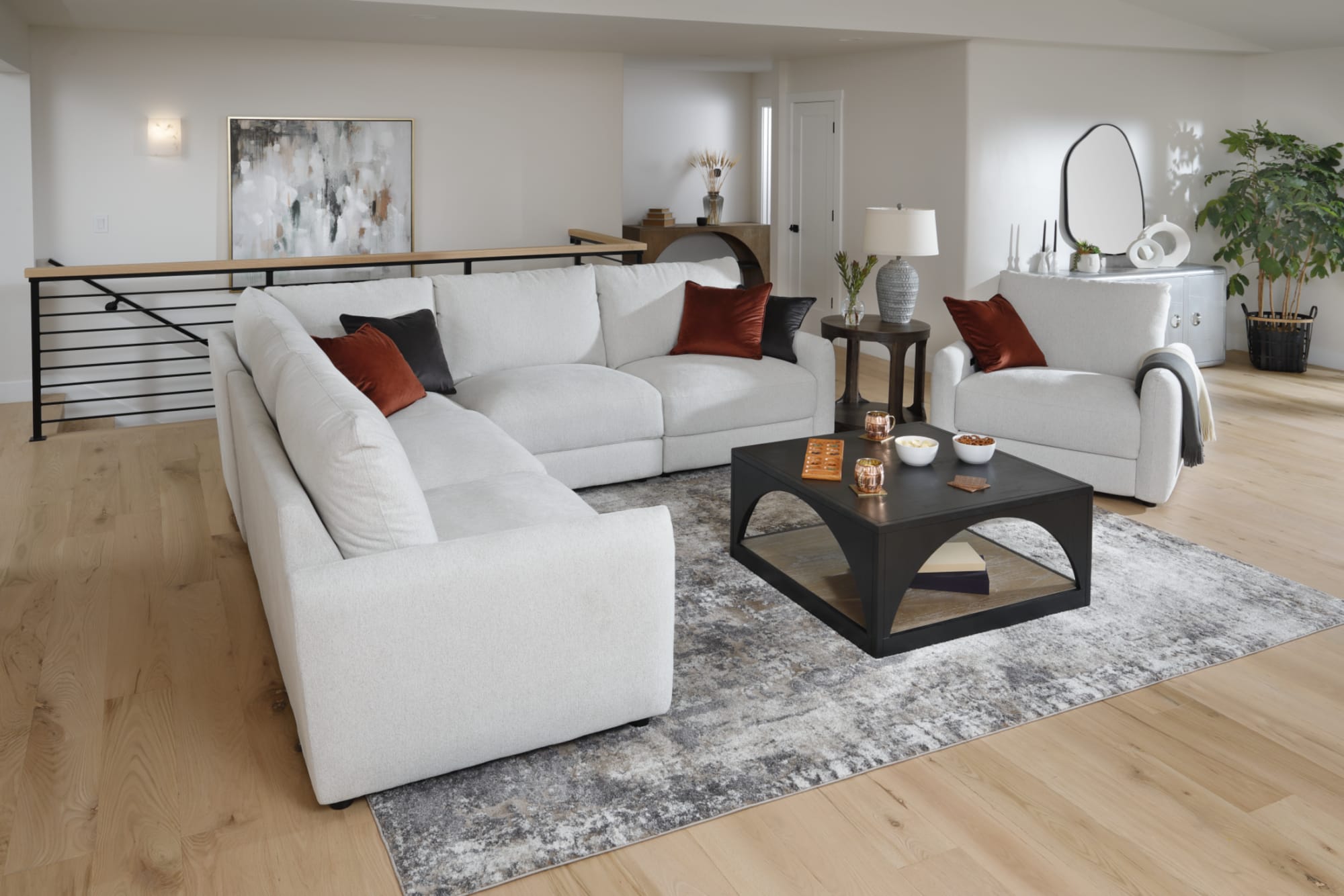
- Choose sofa or sectional with clean lines and low arms in a neutral fabric to create a grounded, unobtrusive centerpiece.
- Anchor the space with a soft-toned area rug that adds warmth and defines the seating zone without overpowering it.
- Use a slim, modern coffee table—like wood, stone, or glass—to keep the visual flow open and airy.
- Add just one or two accents, like a sculptural floor lamp or framed abstract print, for personality without clutter.
How to Style a Minimalist Dining Room
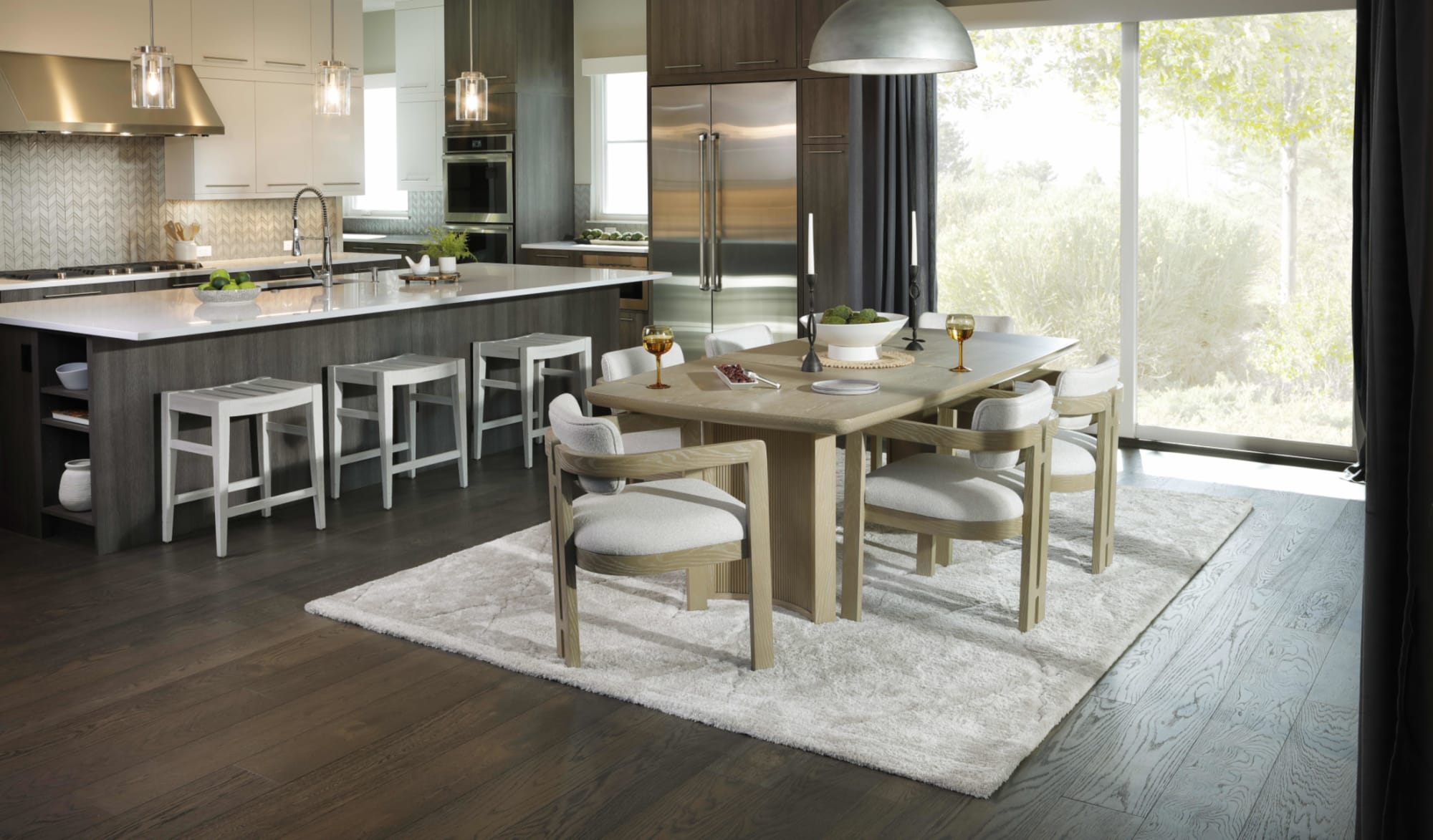
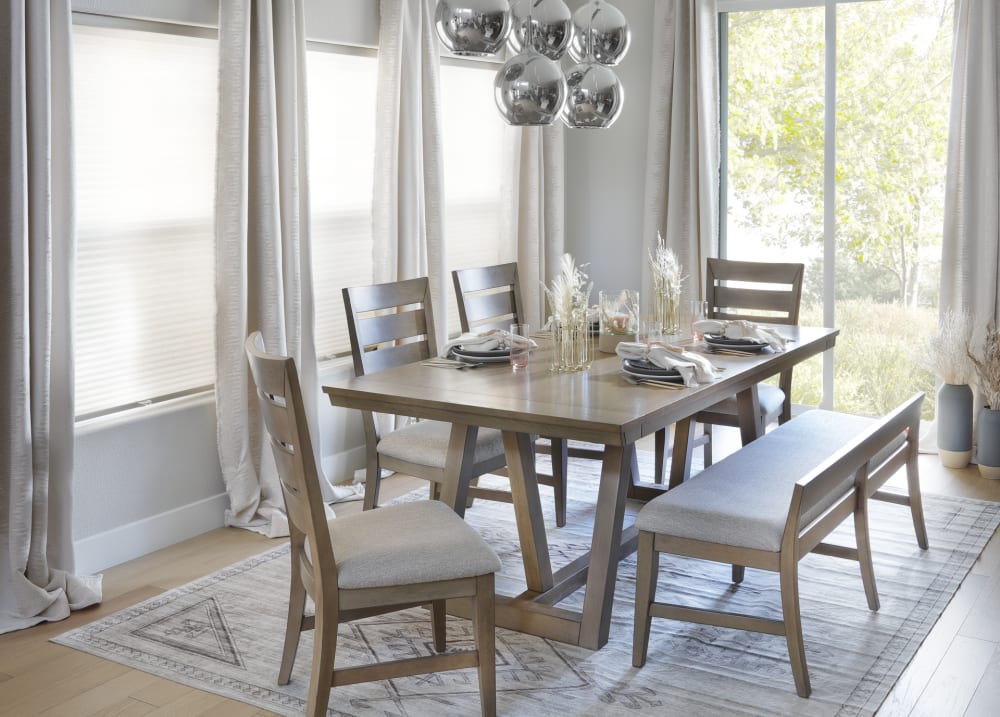
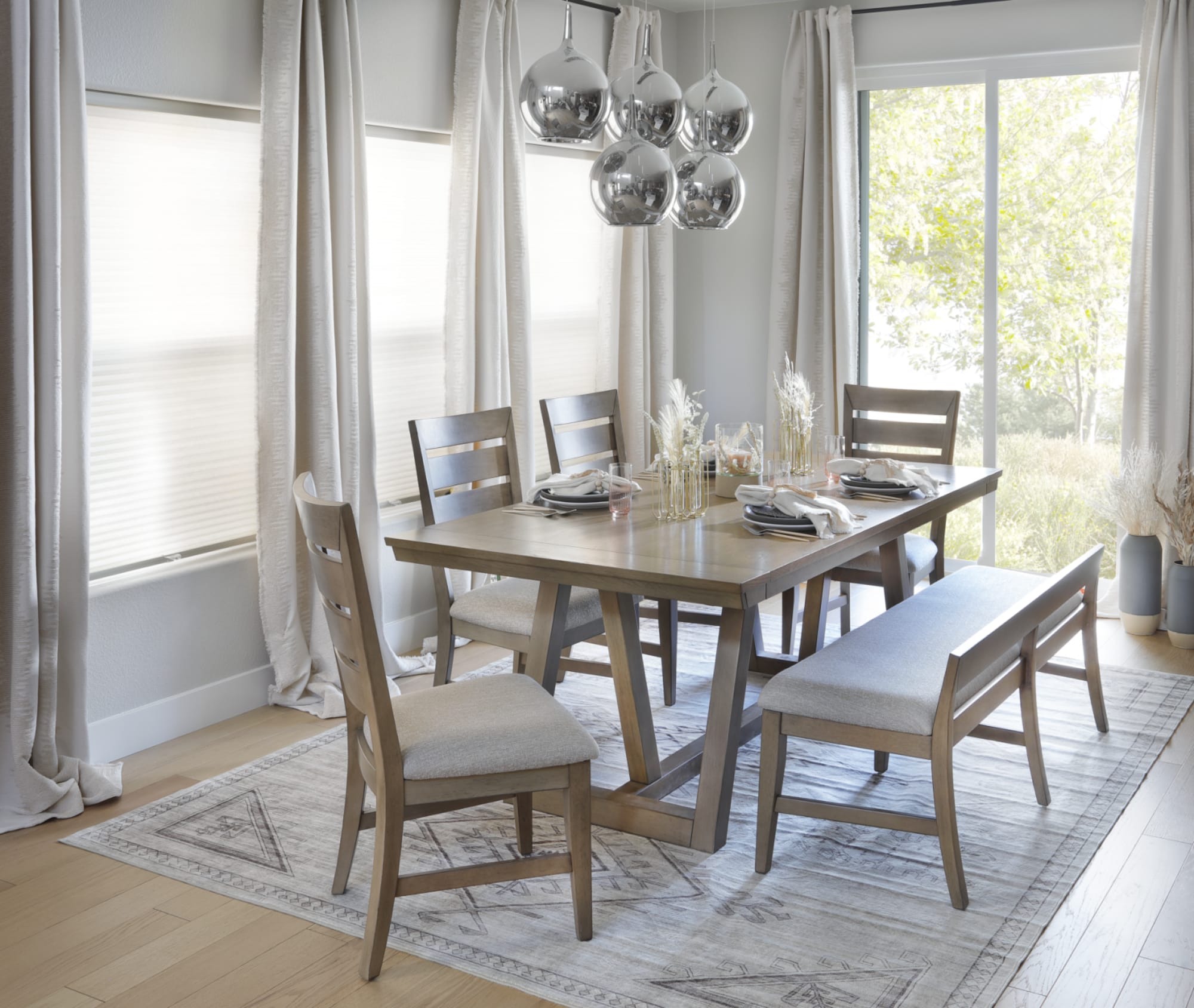
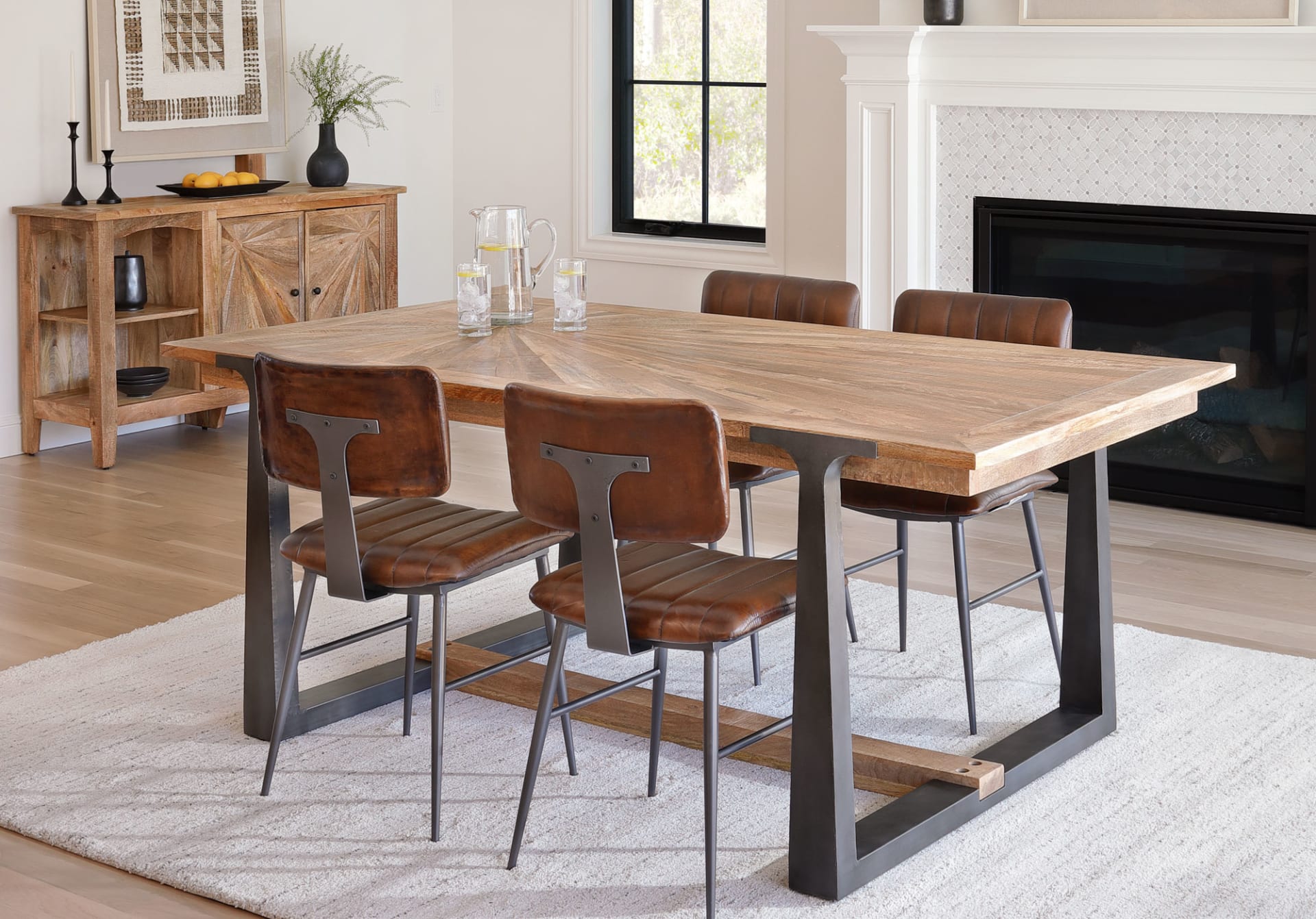
- Opt for a rectangular or round dining table with smooth edges and a matte or natural wood finish to maintain simplicity.
- Pair it with clean-lined dining chairs in matching tones or subtle contrasts—upholstered for softness, or wood for structure.
- Keep tabletop styling minimal: a ceramic bowl, a small vase of greenery, or a linen runner is enough to add interest.
- If needed, add subtle lighting with a streamlined pendant or flush-mount fixture to avoid visual bulk.
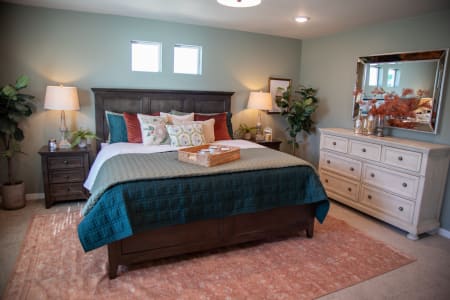
How to Style a Minimalist Bedroom
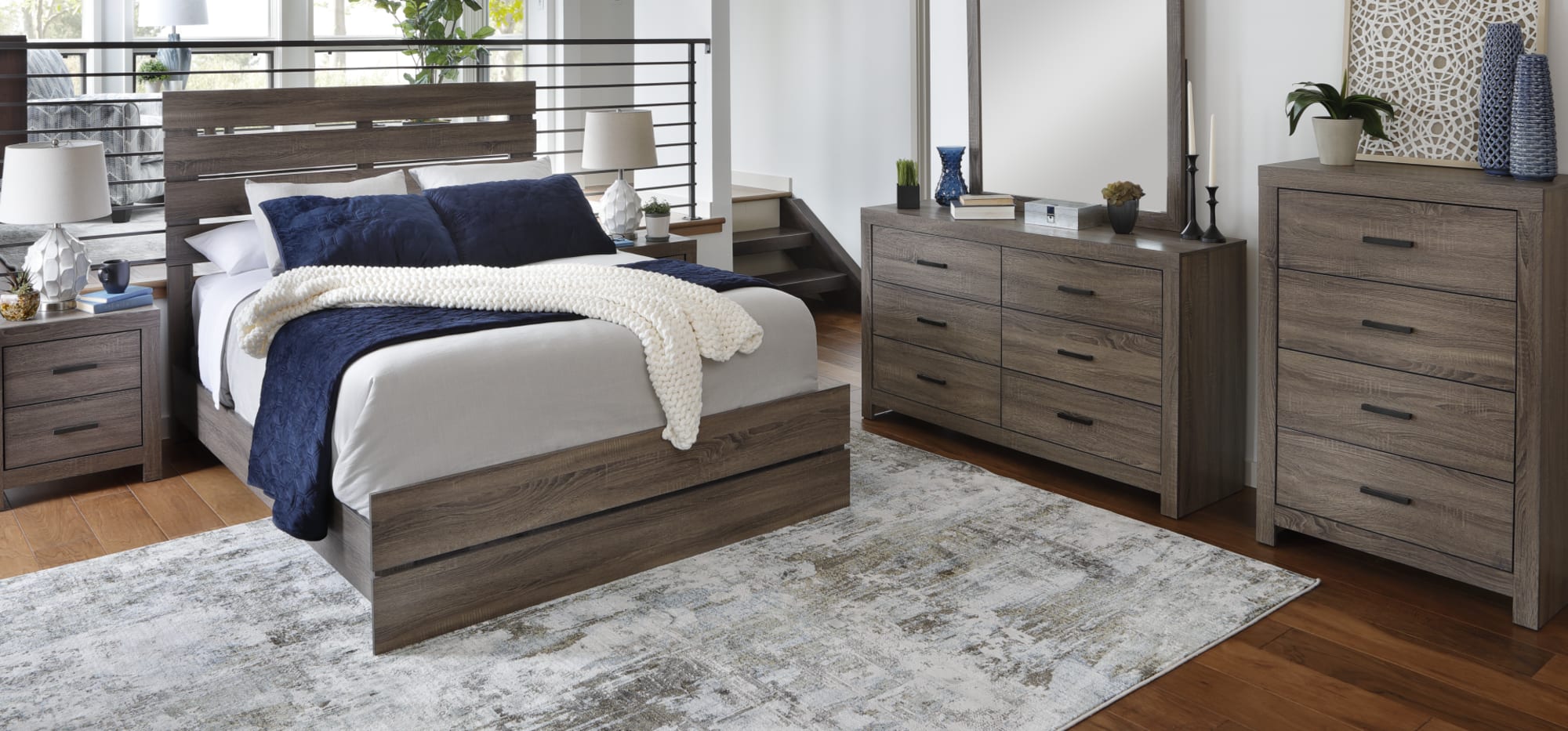
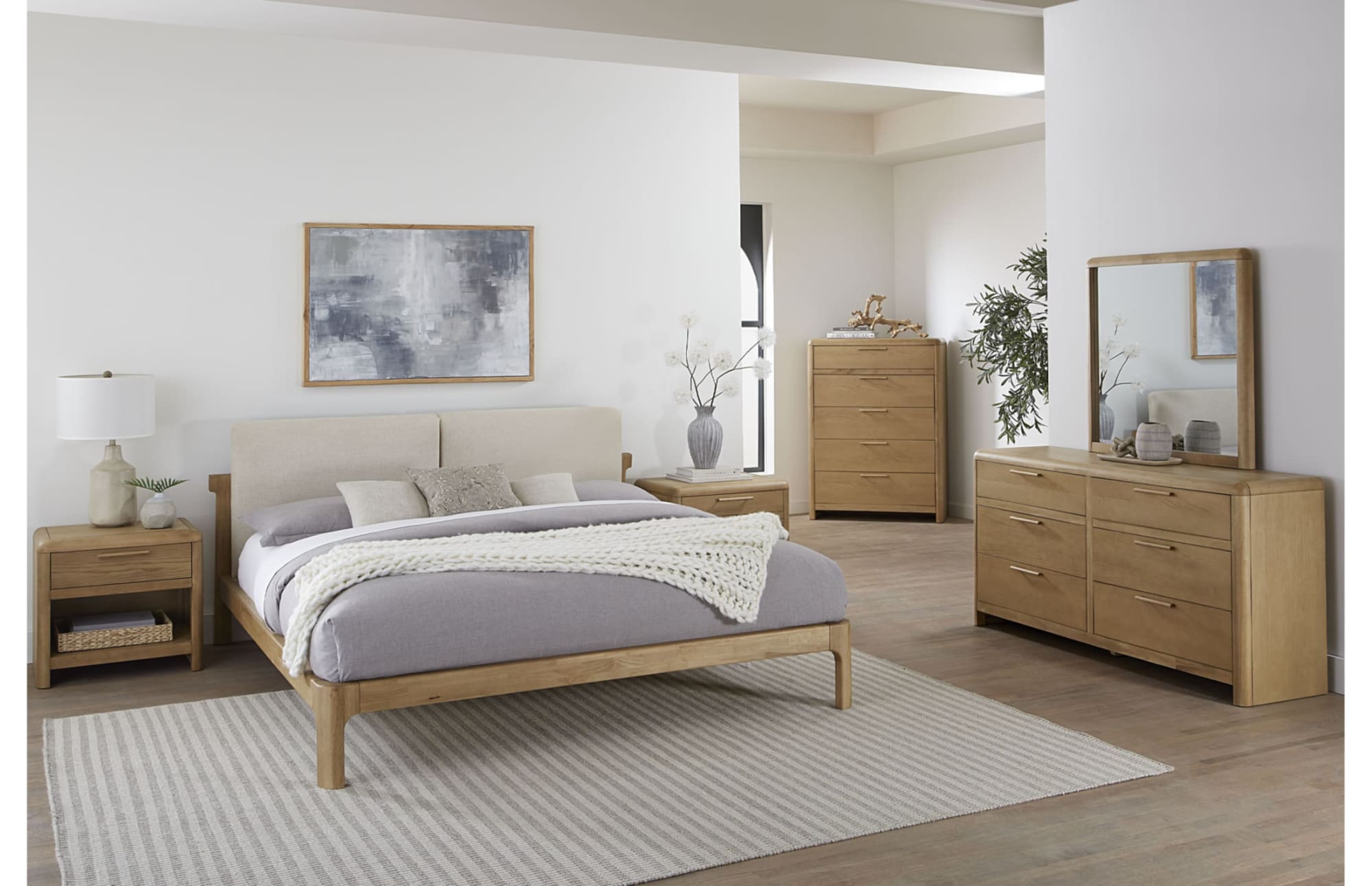
- Choose a bed with a simple, tuftless headboard in soft upholstery or light wood to set a calming tone.
- Keep nightstands streamlined—think closed storage with minimal hardware to reduce surface clutter.
- Stick to layered neutral bedding (like ivory, greige, or sand tones) to create a soft, serene atmosphere.
- Consider a statement pendant or wall sconce in place of a table lamp to free up surface space and add visual interest.
How to Style Minimalist Accessories
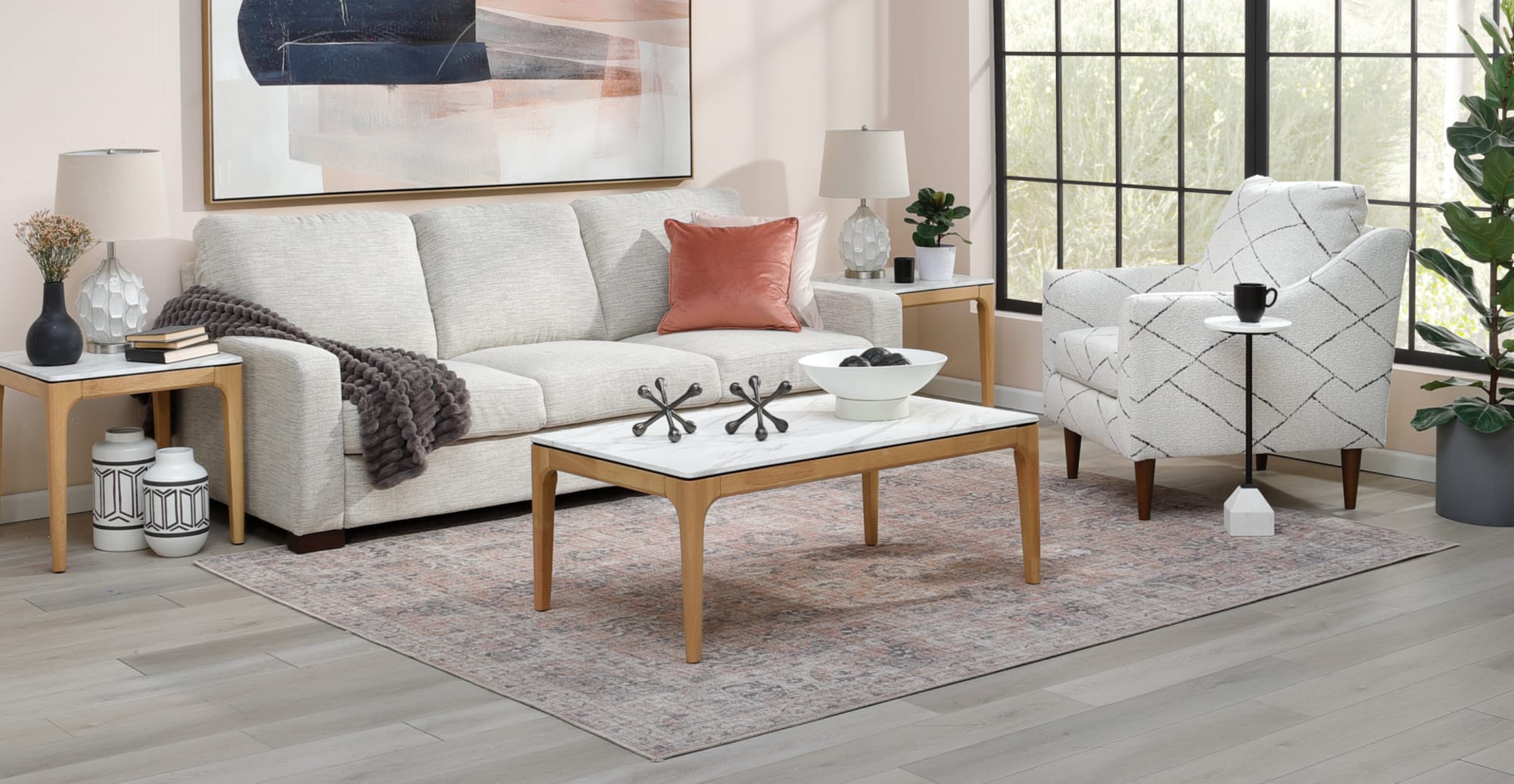
- Use a tight, cohesive color palette across textiles and accessories to keep the look unified and calming.
- Incorporate texture through throw pillows, rugs, or woven baskets in materials like wool, linen, or jute.
- Mirrors can help expand visual space and reflect light, especially in smaller or darker rooms.
- Open shelving works well in minimalist homes—but only if carefully curated and not overcrowded.
Final Tips for Mastering Minimalist Style
- Edit ruthlessly. If you don’t love it or need it, let it go.
- Invest in quality. With fewer pieces in the room, each one should feel intentional and well-made.
- Focus on light. Natural light enhances minimalist interiors. Avoid heavy curtains and use mirrors to reflect brightness.
- Stay consistent. Carry the same color tones and material choices from room to room to maintain harmony.
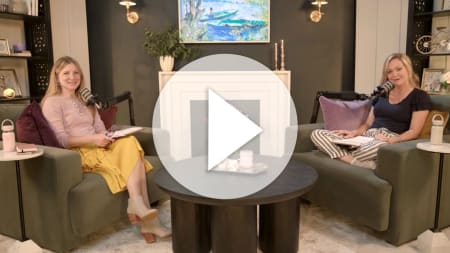
Watch & Learn: Warm Minimalism With Seated With Furniture Row
Minimalist interiors are known for their simplicity—but what if they could also feel warm, cozy, and personal? That’s exactly what Barb and Jessa explore in the latest episode of our podcast, Seated with Furniture Row.
In this candid, design-forward conversation, they dive into the idea that minimalism doesn’t have to mean stark white walls or cold modern finishes. Instead, warm minimalism is about using fewer, better things—while still creating a home that feels grounded, soulful, and inviting.
Key Takeaways From the Episode
1. Lead With Texture Warm minimalism comes alive through materials. Use wood grain, boucle, linen, matte finishes, and natural stone to add softness and depth without clutter. The hosts recommend looking for sculptural shapes and warm finishes that give a space interest without overwhelming it.
2. Embrace Natural Light Let sunlight do the styling. Large windows, minimal window treatments, and mirrors help bounce light around the room, adding energy and calm at the same time.
3. Choose Double-Duty Pieces Warm minimalism is about living with less—but smarter. Think coffee tables that can double as ottomans, benches with storage, and low-profile sofas designed to blend comfort and style in one thoughtful silhouette.
4. Try the “Calm Surface” Challenge Clear off a nightstand, kitchen counter, or entryway table completely. Then, only add back what you actually need—like a lamp and a coaster. This one small step can create a surprising sense of calm.
5. Let Your Furniture Shine In warm minimalism, the furniture becomes the focal point. Choose pieces in rich wood tones, buttery leathers, or handwoven textures. For example, the Sol Dining Set features natural wood grains and warm leather seating that bring soul to any neutral space.
6. Minimalism Can Work With Any Style Whether your home leans western, coastal, traditional, or contemporary, you can still achieve a minimalist feel. It’s not about removing your style—it’s about editing it with care.
Happy decorating!
More Style Guides
Go to the Blog
Style Guide: Western Style
Bring rugged Western charm home with rich leather, solid wood, earthy colors, and handcrafted details that create a cozy, frontier-inspired retreat.
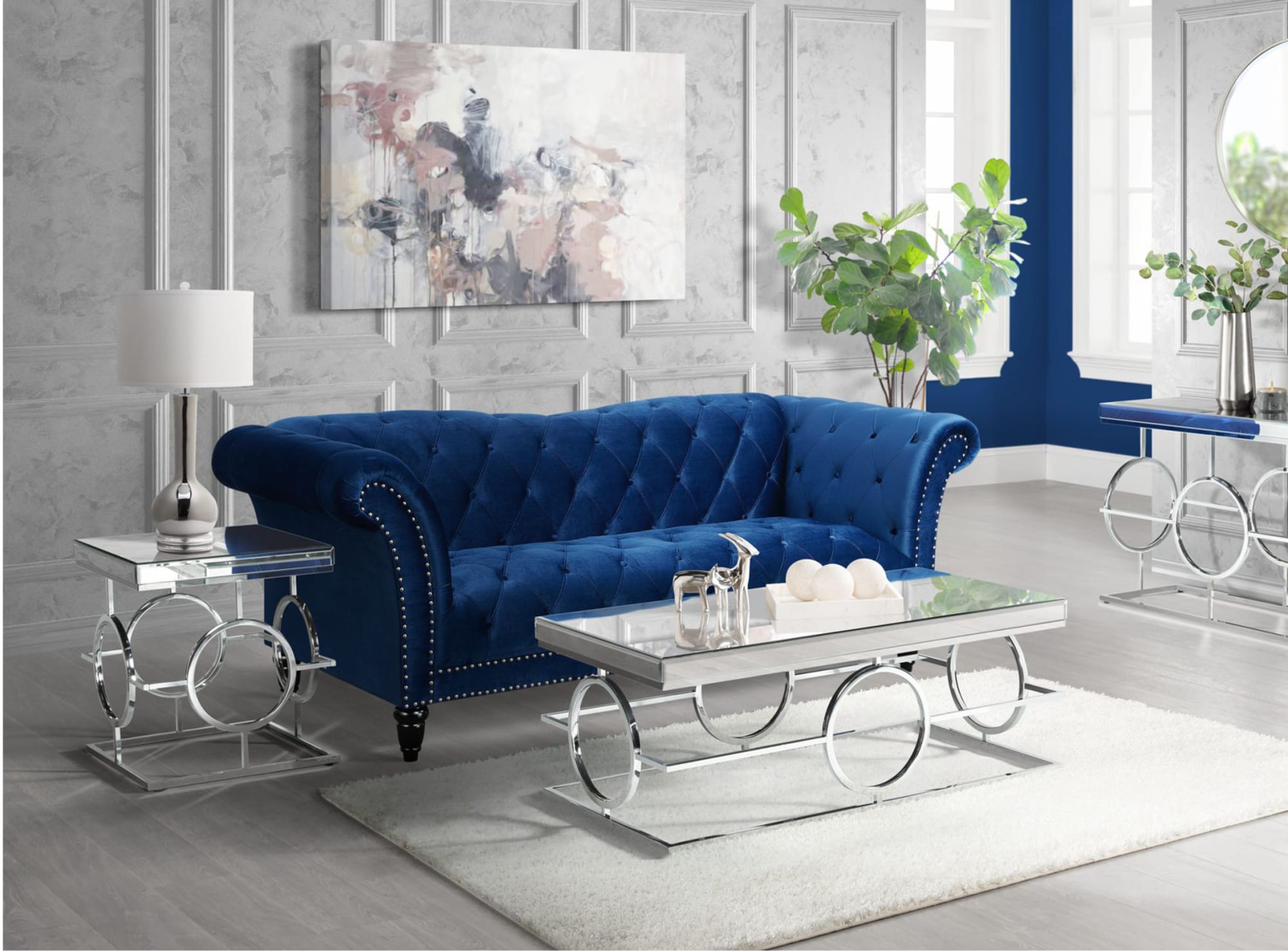
Style Guide: Glam Style
Turn your home into a glamorous sanctuary with luxe textures, metallic accents, bold lighting, and dramatic Glam furniture.
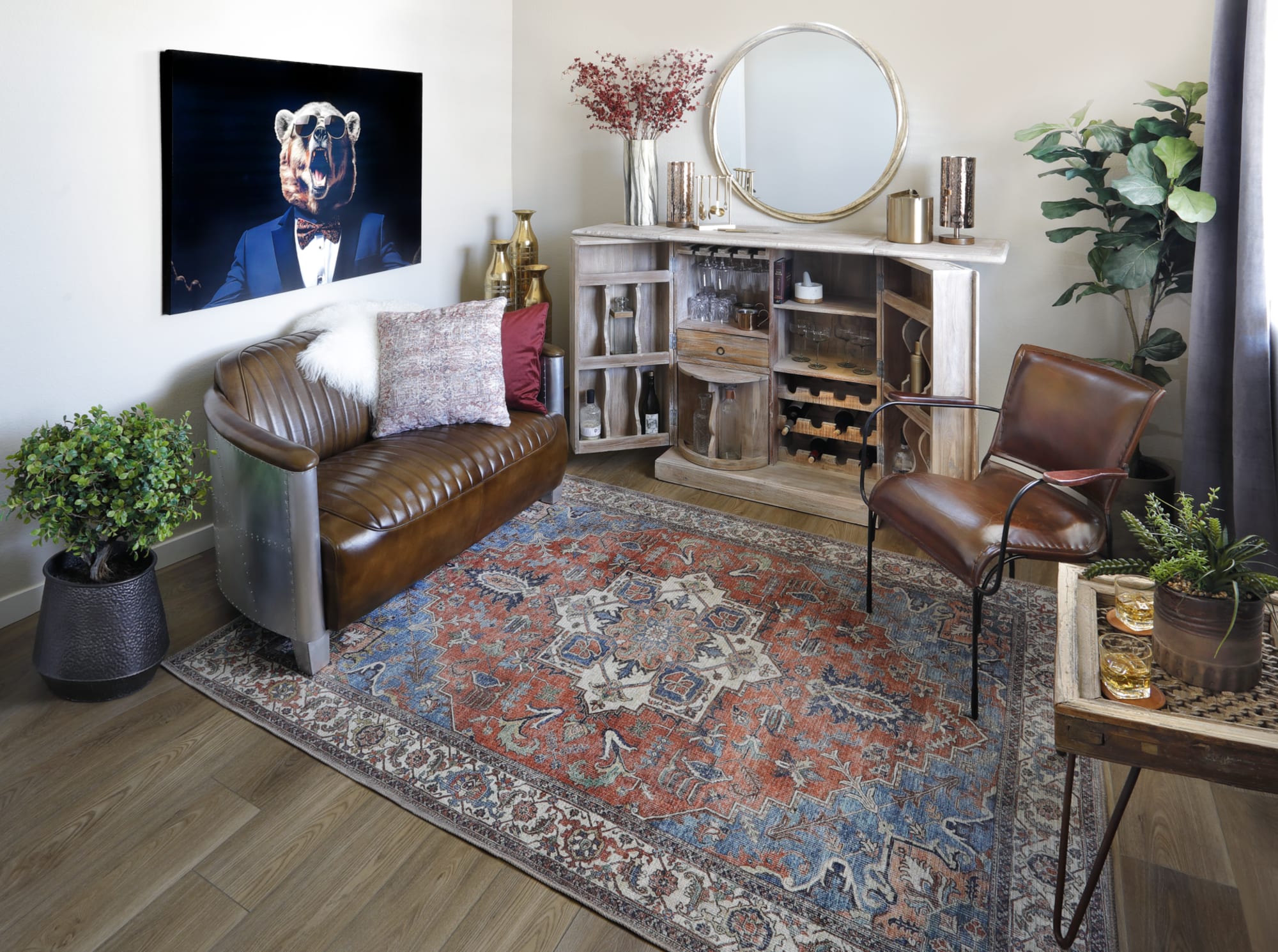
Style Guide: Eclectic Style
Create a bold, personality-packed home with Eclectic style—mix vibrant colors, layered textures, unique furniture, and meaningful decor from Furniture Row for a truly custom look.
Style Guide: Western Style
Bring rugged Western charm home with rich leather, solid wood, earthy colors, and handcrafted details that create a cozy, frontier-inspired retreat.
Style Guide: Glam Style
Turn your home into a glamorous sanctuary with luxe textures, metallic accents, bold lighting, and dramatic Glam furniture.
Style Guide: Eclectic Style
Create a bold, personality-packed home with Eclectic style—mix vibrant colors, layered textures, unique furniture, and meaningful decor from Furniture Row for a truly custom look.