


Style, Survive, and Thrive: How to Design with Plants at Home
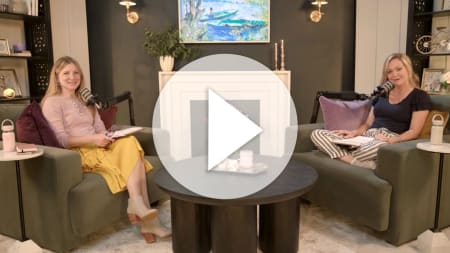
If you rent, live in a small home, or just don’t want to patch a million holes in your walls, it can feel like you’re locked out of the lush, plant-filled interiors you see online. In the latest plant-themed episode of Seated with Furniture Row, Kossi from Only Plants shared how he styles hundreds of plants in a townhome and shop without treating the walls like Swiss cheese—and his ideas translate beautifully to small spaces.
This guide expands on that conversation with practical, renter-friendly ways to add greenery to your space using the furniture and surfaces you already have.

Step 1: Start with Your Existing Furniture, Not the Walls
Instead of thinking, “Where can I hang a plant?” start by asking, “What surfaces do I already have that can host a plant?”.
Great no-drill plant perches include:
- Coffee and side tables: A single medium plant on a coffee table plus two smaller decor pieces (a candle and a vase, for example) creates an easy rule-of-three vignette that looks intentional, not cluttered.
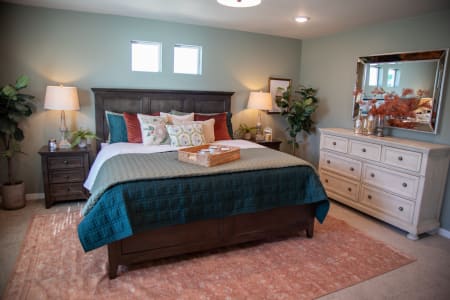
- Dressers and consoles: Layer a trailing plant at one end of a dresser, a lamp on the other, and a stack of books in the middle. The plant softens the furniture’s hard lines and instantly makes the piece feel styled instead of purely functional.
- Fridge tops, cabinets, and shelves: Kossi loves using the top of his fridge as a plant ledge, letting vines trail down for a small-scale “living wall” moment that doesn’t touch the drywall at all. Even placing plants in cabinets or on shelves makes empty spots pop with color and life!
- Kitchen islands and bar carts: Add a tray with a plant, a small propagation stand, and everyday items like salt and pepper or a pretty mug. When you need more prep space, just move the tray.
Designer tip: Treat every flat surface as potential “plant real estate,” then curate your favorites rather than lining every edge. Your plants will read as decor, not clutter.
Step 2: Build Up with Book Stacks and Trays
If your ceilings are tall but your furniture sits low, you can create height without installing a single bracket.
- Use stacks of books as mini pedestals: Try stacking 8–12 books and topping them with a plant to add vertical interest on consoles, nightstands, or dining buffets.
- Add a tray under each arrangement: A simple tray instantly makes the plant grouping feel contained and intentional, and helps catch light spills if you tend to overwater.
- Mix plants with personal objects: On any given surface, try a trio: one plant, one art or photo piece, and one functional object (like a clock or small lamp). It feels styled, not staged.
This is especially useful in small apartments where every inch of tabletop space has to do double duty.

Step 3: Leaning and Standing Shelves Instead of Built-ins
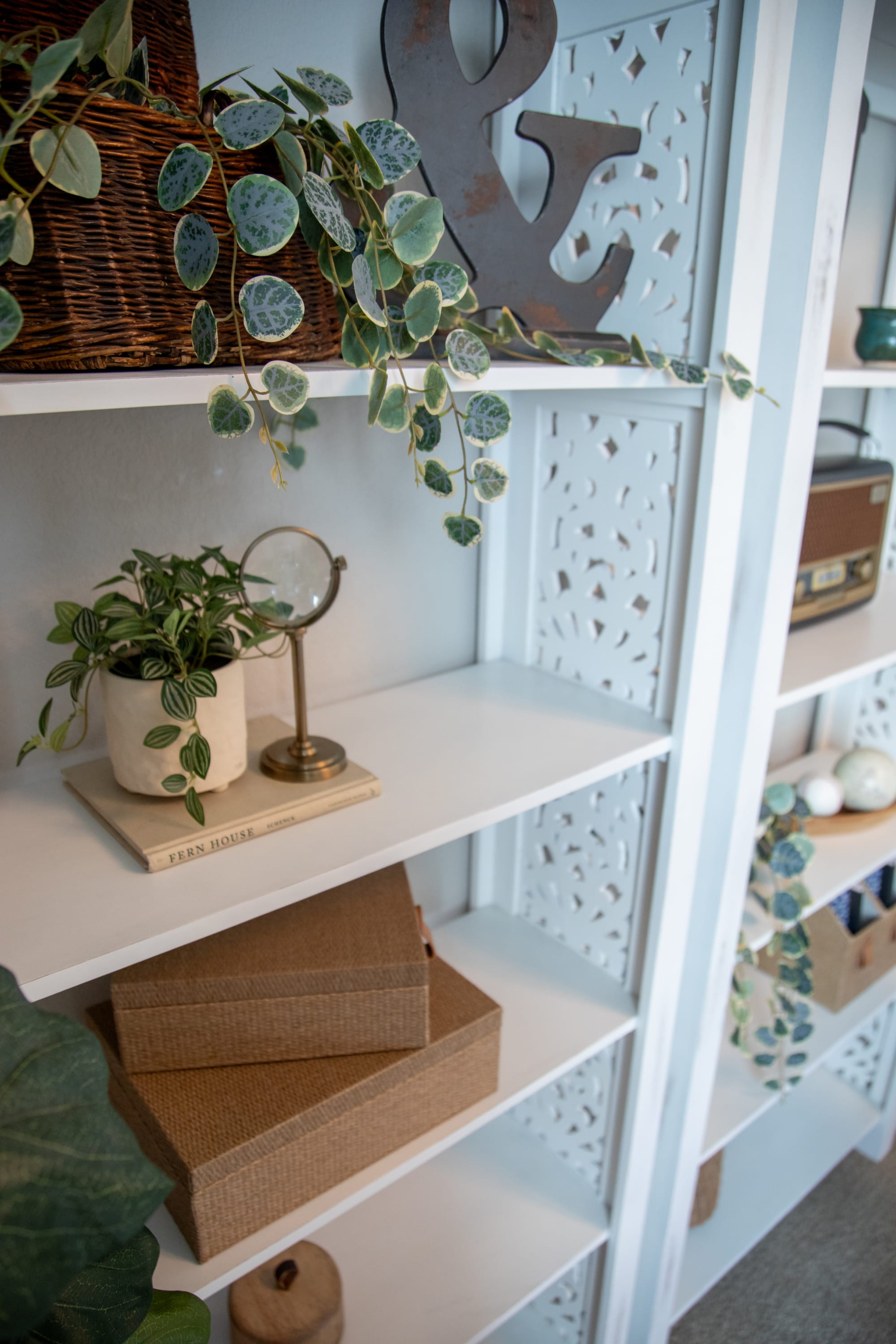
The episode calls out leaning shelves as a favorite solution for renters.
Why they work so well:
- No drilling required: Ladder-style or leaning shelves rest on the floor and wall, but you don’t have to permanently anchor them in many setups (check your product’s safety recommendations if you have kids or pets).
- Vertical storage and styling: You can dedicate one “tower” solely to plants, or mix them with books, travel souvenirs, watering cans, or whatever else suits your fancy.
- Built-in flexibility: If you move, the shelves move with you. If you’re rearranging a small living room, you can slide them to a new wall without patching holes.
To avoid the “plant store in your living room” look, alternate between:
- One shelf heavy on plants (trailing from the edges)
- One shelf focused on books and framed art
- One shelf with functional decor like baskets, bowls, or watering cans
This keeps the eye moving and makes the plants feel integrated into your life, not like props.
Step 4: Use “Chameleon” Furniture as Plant Partners
“Chameleon” furniture are pieces that can shift, stretch, or transform depending on the space and mood. This flexibility makes them perfect companions for styling plants at home.
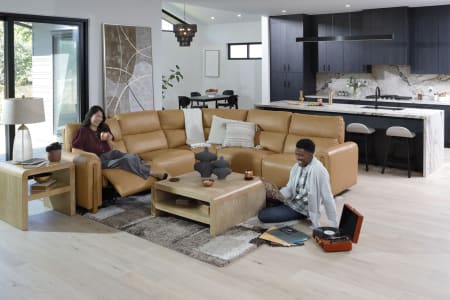
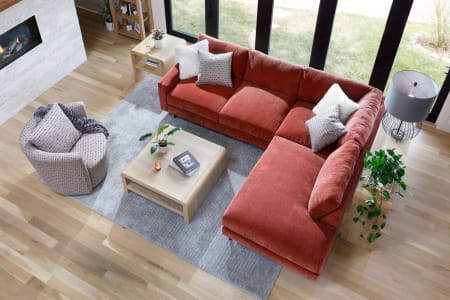
- Modular sectionals and nesting tables are prime examples of chameleon pieces. Rearrange the configuration to open up a sunny corner for a floor plant, or pull pieces apart to create nooks for tables and planters.
- You can also use bookcases as plant displays. A roomy bookcase can handle everything at once: storage, books, décor, and plants, so long as the shelves are deep enough.
Have too many plants for one room?
Guest rooms are the ultimate plant rooms waiting to happen.
- When guests aren't visiting, let the space go full jungle - line the windowsills and let them breathe. A loveseat or accent chair in the room can provide extra seating, so the plants get a permanent home without giving up the room entirely.


Step 5: Make Low-Light Rooms Work with Grow Bulbs
A common pain point from listeners: “What about my bathroom or office with no natural light?”
These spaces often get ignored in styling plans, but a few smart lighting swaps can turn them into some of the most atmospheric corners in your home.
- Put grow bulbs in regular lamps: Swap the bulb in a table or floor lamp for a grow bulb and place a low-light-tolerant plant nearby. The lamp still looks like regular decor, but the plant gets the spectrum it needs.
- Choose the right plants for these zones: Snake plants, ZZ plants, and some philodendrons can tolerate low light well, as long as they aren’t highly variegated. (High white, pink, or yellow variegation usually needs brighter light.)
You get the visual softness of plants in spaces that might otherwise feel cold or utilitarian, like windowless baths or interior offices.
Step 6: Keep Care Simple with Nursery Pots and Sink Watering
Beautiful styling doesn’t matter if the care routine feels overwhelming. The easier it is to water and move your plants, the more likely you are to keep them thriving and keep your furniture looking polished over time.
Two great practical habits you can use are:
- Keep plants in nursery pots dropped into decorative planters: The plastic nursery pot ensures proper drainage while the outer pot hides the utilitarian look. You can lift the inner pot out to water, then drop it back in once it has drained.
- Water in batches at the sink: For smaller collections, bring plants to the kitchen or bathroom sink, water them thoroughly, let them drain for 30–60 minutes, and return them to their styled spots. This minimizes random spills on furniture and rugs and keeps your surfaces looking curated.
This method is especially helpful in tight apartments where you may not want saucers everywhere.


Step 7: Layer Plants with Pet- and Life-Friendly Textiles
Plants don’t exist in a vacuum—homes and shops have pets, guests, and withstand a lot of daily life. When textiles and upholstery are chosen with that reality in mind, you can lean into a lush, layered look without treating every glass of water or muddy paw print as a crisis.
That’s where the rest of your decor supports the look:
- Washable checkerboard rugs: Rugs with bold patterns like checkerboard are ideal for pets and high-traffic zones. The pattern hides everyday messes and visually plays well with simple green foliage.
- Easy-care sofa fabrics and leathers: When you’re pulling pots on and off the sofa back or styling plants near seating, look for fabrics and leathers that are easy to clean.
Ready to Build Your Own Plant-Filled Small Space?
If this episode has you rethinking your rental or small home, you’re not alone. With a few smart surfaces and flexible furniture pieces, you can create a lush, biophilic look that works with (not against) your lease.
- Not sure which plants to start with? Check out our guide to low-maintenance house plants that purify the air for easy, air-cleaning picks that thrive even for beginners.
- Explore modular sectionals, sofa beds, and storage-friendly bookcases at Furniture Row to anchor your plant styling. These pieces are ideal for small living rooms, plant rooms, and multi-purpose guest spaces.
- Visit the Seated with Furniture Row podcast for more episodes and content about other interior design-related topics.
- In Denver, stop by Only Plants at the Free Market in Dairy Block for in-person styling ideas and “plant ER” advice.
Check Out More from Our Blog
Go to the Blog
Low-Maintenance House Plants That Purify the Air
Freshen up your home with these easy-care houseplants proven to purify air and boost your interior decor.

Fisherman Aesthetic, Sardinecore, and More
Explore coastal décor trends with fisherman aesthetic, sardinecore, nautical textures, and breezy furniture.
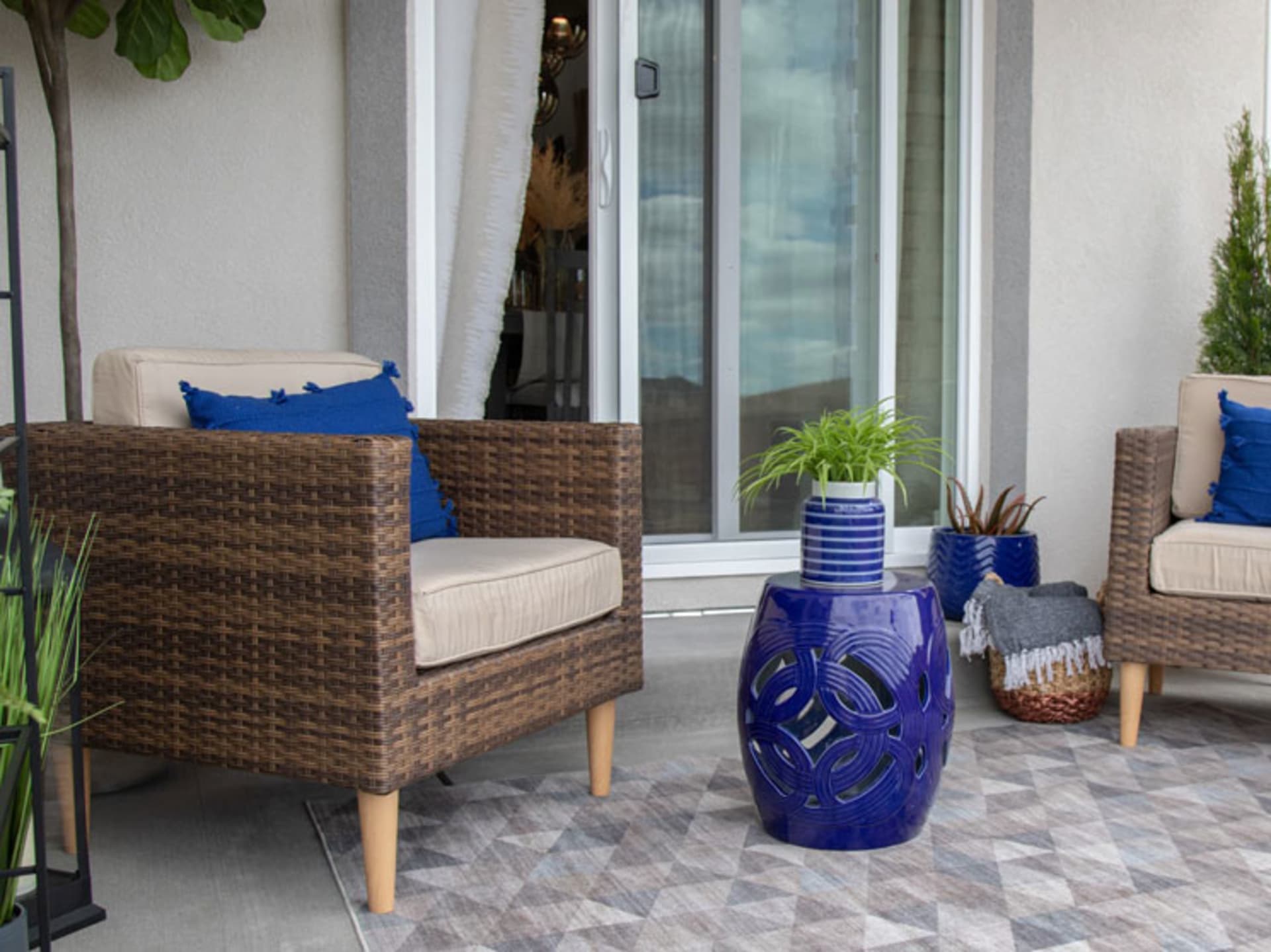
Backyard Bliss: Creative Outdoor Hacks
Create backyard bliss with smart outdoor furniture, sustainable swaps, DIY hacks, and hosting tips.
Low-Maintenance House Plants That Purify the Air
Freshen up your home with these easy-care houseplants proven to purify air and boost your interior decor.
Fisherman Aesthetic, Sardinecore, and More
Explore coastal décor trends with fisherman aesthetic, sardinecore, nautical textures, and breezy furniture.
Backyard Bliss: Creative Outdoor Hacks
Create backyard bliss with smart outdoor furniture, sustainable swaps, DIY hacks, and hosting tips.