




The Best Patio Furniture for Different Weather Conditions
As spring and summer approach, outdoor living spaces become the heart of the home. Whether you're hosting poolside parties or enjoying quiet evenings on your patio, choosing the right outdoor furniture is essential. But with so many materials available, how do you know which one suits your local climate?
In this guide, we’ll explore the best patio furniture materials for different weather conditions so you can make an informed buying decision.
(If you want to see how different ways to arrange your patio furniture, then be sure to check out our handy Patio Layout Guide!)
The Causes of Weather-Related Damage
Weather is still the #1 challenge for outdoor furniture, and understanding how different conditions can cause damage will help you make smarter choices.
Outdoor furniture faces constant exposure to the elements, which can take a toll over time. The four biggest culprits of weather-related damage are:
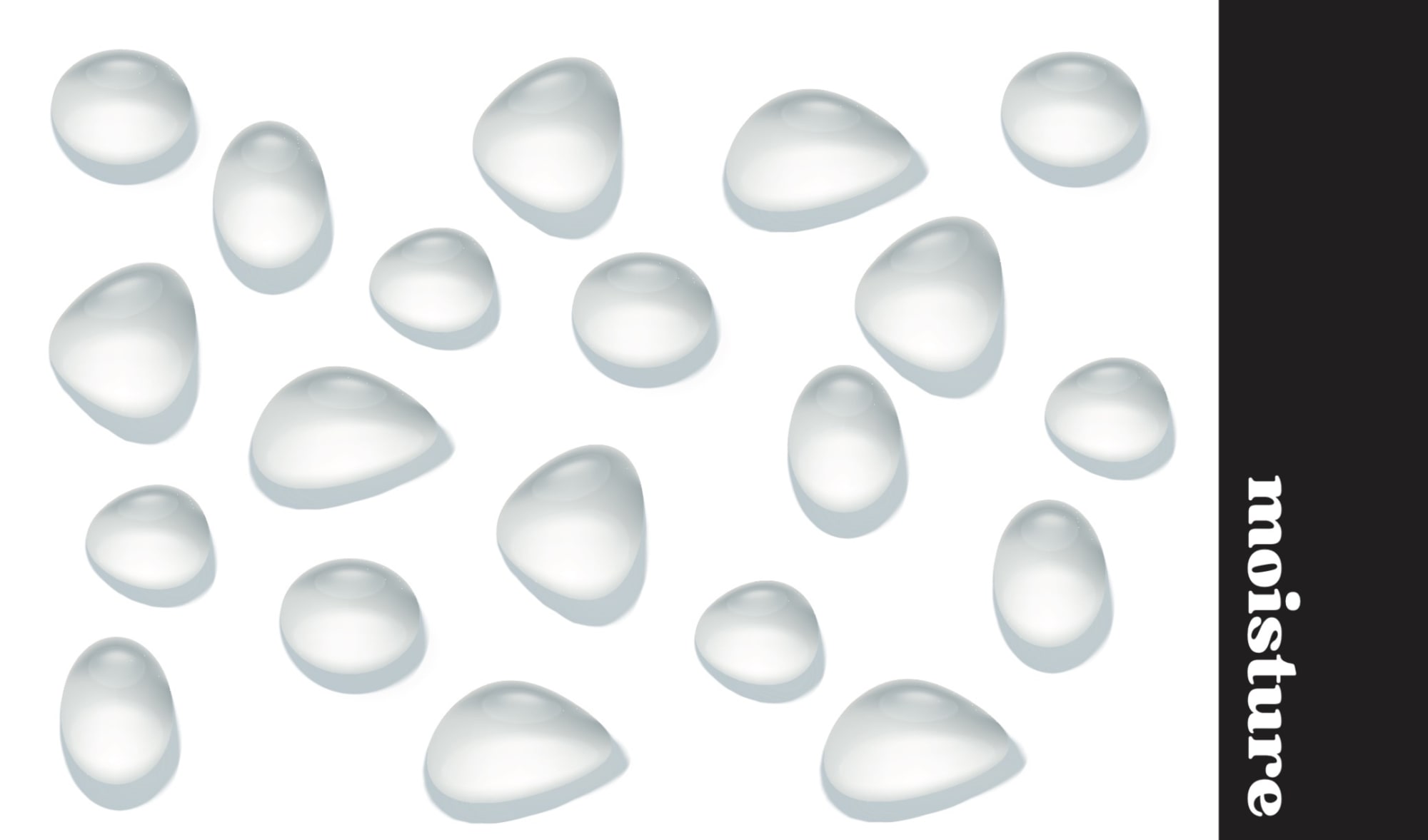
Moisture
- Moisture refers to obvious weather conditions like rain and snow, but it can also refer to more subtle dangers like humidity and salty coastal air.
- Moisture can cause metal to rust, wood to warp and rot, and it can cause fabrics to break down or develop mold and mildew.
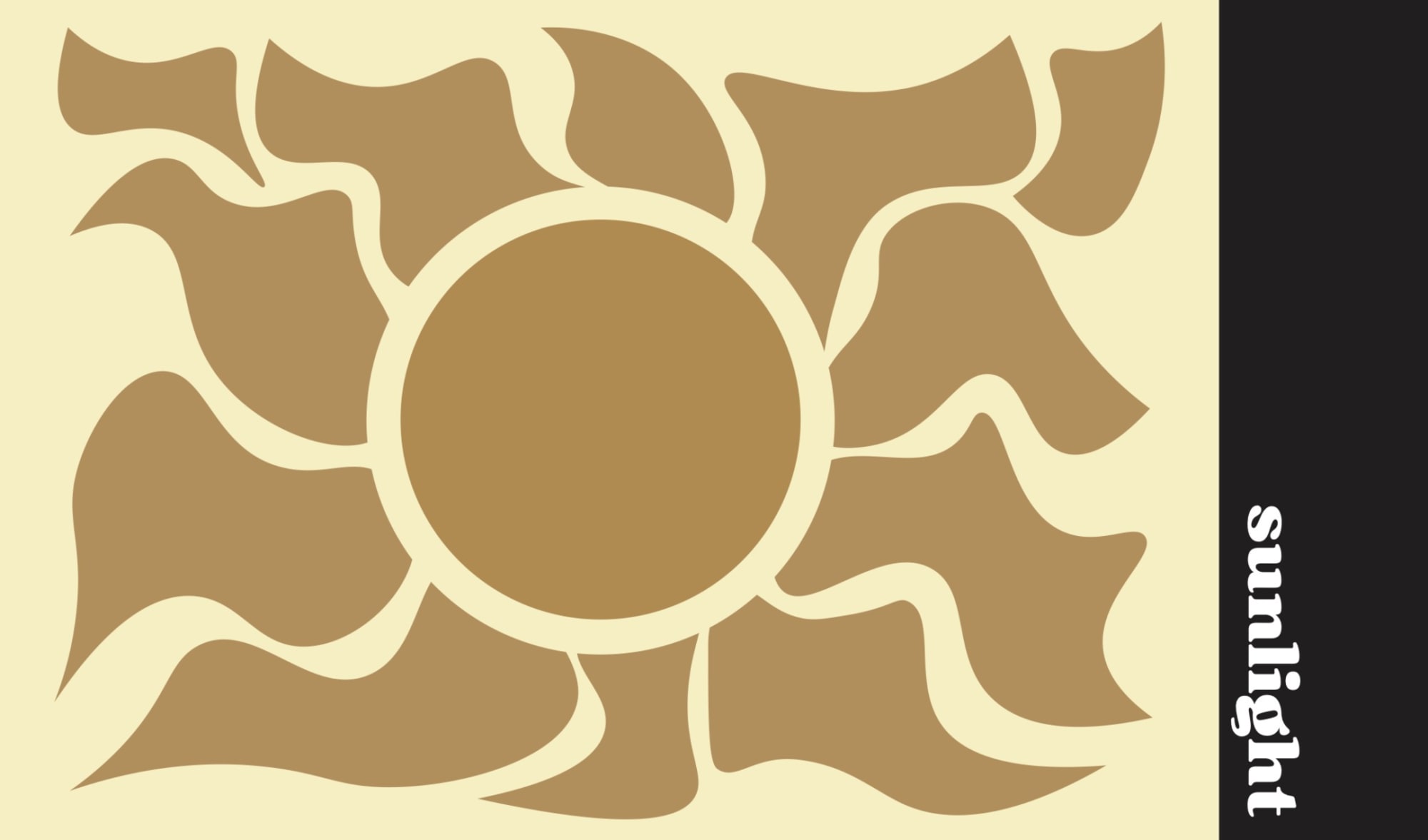
Sunlight
- While it makes outdoor living enjoyable, sunlight can actually be quite harmful to certain outdoor materials.
- Specifically, the ultra-violet rays in sunlight can cause the colors applied to outdoor finishing materials and outdoor fabrics to fade significantly.

Extreme Temperatures
- Extreme temperatures can also be harmful to outdoor furniture, often due to construction materials changing size in different temperatures.
- Materials that are not able to withstand extreme temperatures can crack, split, or become brittle. Other materials can develop high surface temperatures and become uncomfortable or painful to the touch.
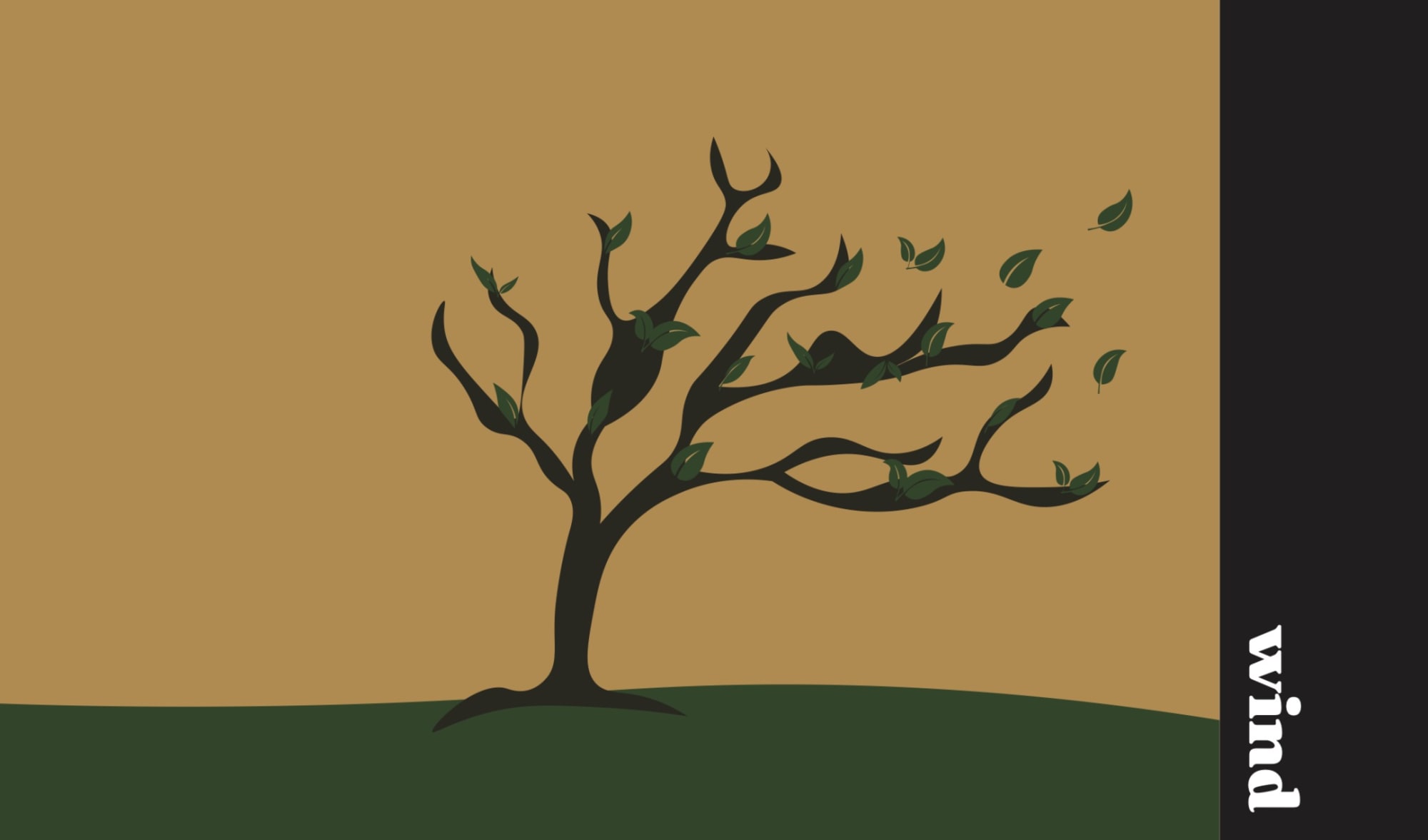
Wind
- While moving air doesn’t harm furniture as it passes by, strong winds are a problem for lightweight outdoor pieces as they are easily blown over or carried away.
- Additionally, strong winds can carry things like branches which can damage to softer outdoor materials
The Best Outdoor Furniture Materials For Every Type of Weather
With so much to think about, finding the right outdoor material at the right price can really be a headache. But, that’s why we’re here! The expertly-curated list below provides information on modern and traditional outdoor materials that are all likely to be found at your favorite furniture store, so you only have to focus on finding the right product for your space and budget.

Metals
Metals have always been highly sought after when it comes to designing high quality outdoor furniture due to their exceptional strength and durability. While metals are generally well suited for life in the great outdoors, not all metals are created equal.
*this list contains accurate information regarding the intrinsic strengths and weaknesses of various metals. As mentioned above, there are a variety of new, modern finishing techniques currently available that can remove these weaknesses to a large extent. The most prevalent of these finishes is called “powder coating” which is far superior to paint and can make many metals significantly more resistant to water and rust.
Iron
Iron has been a go-to material for centuries, celebrated for its durability and ability to be crafted into intricate, decorative designs. This silver-gray metal exudes a timeless, stately charm that lends itself beautifully to traditional aesthetics.
Strengths:
- Exceptionally heavy and long-lasting
- Resistant to damage from impacts or wear
Weaknesses:
- Prone to rust without proper treatment
- Difficult to move due to weight
- Surface temperatures can become extreme in hot or cold weather
Best for These Climates:

Iron thrives in areas with high winds or occasional storms, where its weight ensures stability. It’s also ideal for sunny, temperate climates.
However, it’s less suitable for rainy or coastal regions with salty air and can be challenging in areas with extreme heat.
Aluminium
Aluminum is a silvery-white metal that strikes the perfect balance between strength and maneuverability, making it a popular choice for outdoor furniture. Its lightweight nature and rust-resistant properties make it both practical and stylish, fitting seamlessly into a variety of outdoor spaces.
Strengths:
- Durable and weather-resistant
- Inexpensive and easy to clean
- Naturally resists rust and corrosion
Weaknesses:
- Can be too lightweight for areas with strong winds
- Surface temperatures can become extreme in direct sunlight or cold weather
Best for These Climates:

Aluminum thrives in rainy, sunny, and temperate climates.
However, it may not be ideal for regions prone to high winds due to its lightweight nature.
Stainless Steel
Stainless steel is a highly durable metal with a bright silver finish that resists rust, stains, and corrosion, making it one of the most reliable materials for outdoor furniture. Its modern aesthetic and long-lasting properties make it a top choice for those seeking both style and functionality.
Strengths:
- Exceptional rust and corrosion resistance
- Highly durable and dent-resistant
- Easy to clean and maintain
- Often made from recycled materials, making it eco-friendly
Weaknesses:
- Expensive compared to other metals
- Surface temperatures can become uncomfortable in extreme heat or cold
Best for These Climates:

Stainless steel performs well in rainy, sunny, and windy climates. Its rust-resistant chromium layer makes it a strong choice for humid regions, and marine-grade options hold up beautifully in coastal environments.

Wood
Wood has been a beloved material in the world of outdoor furniture for years because it’s easy to work with and beautiful in any setting. That being said, wood is also subject it's fair share of negative weather effects.
These negative effects are primarily caused by water damage and changing temperatures, and they include things like warping, cracking, fading, and rotting. Most of these effects can be mitigated through use of finishes, stains, and sealants - but that doesn’t mean that every type of wood is ideal for life in the great outdoors.
While there are a plethora of types of wood available to furniture producers, they are often divided into two categories based on which species of tree they come from: hardwood and softwood.
Hardwood
Hardwood refers to wood from broad-leafed trees like teak, mahogany, oak, and acacia. Known for its dense structure and durability, hardwood is a natural fit for outdoor furniture, offering a blend of strength and elegance that withstands the elements
Strengths:
- Strong, long-lasting, and naturally water-resistant
- Handles extreme temperatures without warping or cracking
Weaknesses:
- Expensive and difficult to work with
- Hard to paint but can accept weather-resistant finishes
Best for These Climates:

Hardwood thrives in rainy, sunny, windy areas and climates with extreme temperatures.
Softwood
Softwood, sourced from conifers like pine, cedar, and fir, is a lightweight and flexible material often used in furniture, construction, and paper production. While less dense than hardwood, it offers affordability and ease of use, making it a popular choice for many outdoor projects.
Strengths:
- Easy to work with and takes finishes beautifully
- Inexpensive and more eco-friendly than hardwood
- Lightweight for easy transport
Weaknesses:
- Shorter lifespan and less durable than hardwood
- Prone to water damage unless properly sealed
- Can be too lightweight for windy areas
Best for These Climates:

Softwood performs best in temperate, dry, and sunny areas.
It’s not ideal for rainy or windy climates without proper treatment.

Synthetic Materials
Man-made synthetic materials, such as plastics and resins, are typically lightweight, inexpensive, and able to take on a variety of unique shapes and colors. On top of this, synthetics are virtually impervious to water damage, and they are naturally fade-resistant because their color isn’t applied externally, it’s part of the composition of the material itself.
Now more than ever, advanced manufacturing processes and the discovery of new hybrid compositions are enabling furniture makers to create truly unique and head-turning pieces using these modern materials.
Polyethylene
Polyethylene (PE) is a lightweight, versatile plastic often used for outdoor furniture. While it’s inexpensive and fade-resistant, its durability depends on whether it’s made with high-density polyethylene (HDPE), which is stronger and more weather-resistant than standard PE.
Strengths:
- Inexpensive
- Water-resistant and fade-resistant
Weaknesses:
- Brittle compared to other synthetics
- Can be too lightweight for windy areas
Best for These Climates:

Ideal for sunny, rainy, and temperate climates but less suited for windy or stormy regions.
Recycled Plastic
Recycled plastic furniture is crafted from post-consumer materials like milk jugs, offering sustainability without compromising on strength or style. It mimics the look of wood while requiring minimal maintenance.
Strengths:
- Durable, water-resistant, and fade-resistant
- Eco-friendly and able to withstand extreme weather
- Inexpensive with a wood-like appearance
Weaknesses:
- Can be too lightweight for windy areas
Best for These Climates:

Perfect for sunny, rainy, and temperate climates but not ideal for very windy regions.
Synthetic Resin
Synthetic resin wicker replicates the look of natural wicker but with far greater durability. Made from polyethylene resin, it’s designed to withstand outdoor conditions without fading or rotting.
Strengths:
- Fade-resistant and impervious to water damage
- Withstands extreme temperatures without cracking
Weaknesses:
- Lightweight and may shift in windy conditions
Best for These Climates:
Ideal for sunny, rainy, and temperate areas but less suitable for windy regions unless paired with a sturdy frame.
Get Outside
Now that you have a firm grasp on which materials make the most sense for your local climate, you’re ready to get out there and design the outdoor space of your dreams, rain or shine. Happy decorating!
Check Out More From Our Blog
Go to the Blog
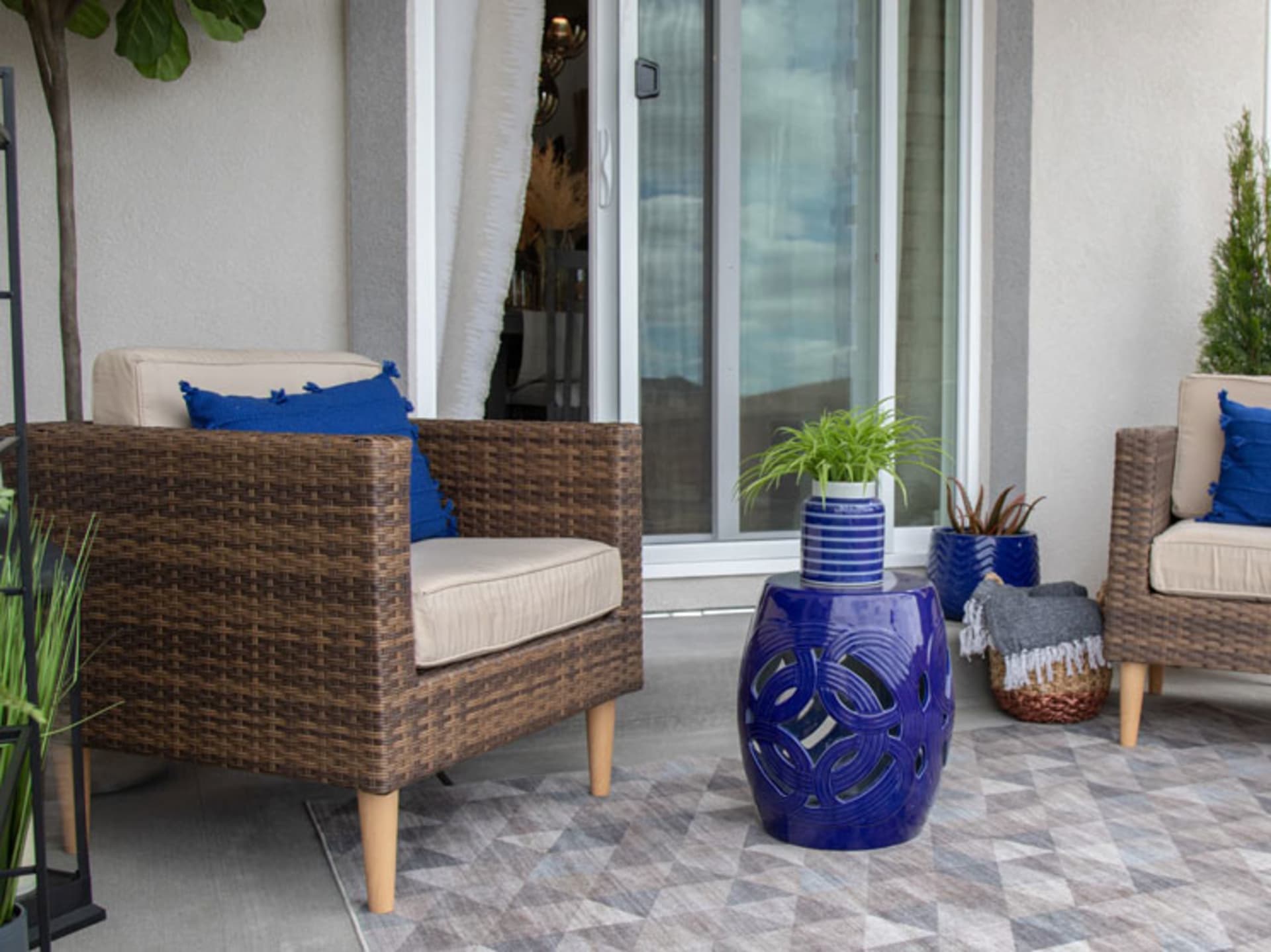
Patio Layout Guide
Design your dream patio with four smart layouts—chef’s zone, cozy retreat, entertainment hub, and view-focused setup—plus tips for ambiance and durability.
Patio Layout Guide
Design your dream patio with four smart layouts—chef’s zone, cozy retreat, entertainment hub, and view-focused setup—plus tips for ambiance and durability.