


Sofa Buying Guide: Basics and Construction
Important Features to Understand Before Shopping
Buying a sofa or sectional isn’t for the faint of heart - it’s a significant financial investment that impacts your comfort and your home for many years to come. To complicate things, today’s sofas and sectionals also come in a huge variety of shapes and sizes, and with a myriad of features to consider!
If you’re not an expert or just new to the furniture shopping process, it can definitely seem overwhelming. To make things easier, we’ve created this guide to help you know which basic features to look for in a new sofa or sectional so you make a smart purchase.
What’s the Difference Between a Sofa and a Sectional?
Sofas
Sofa is a term people use to refer to a wide variety of living room seating products, including standard sofas, sectionals, loveseats, and futons. Standard sofas are long upholstered seats with three sets of cushions to sit three people, and they traditionally feature backs and arms for added support.
Benefits of Sofas
- Versatile Size - Standard sofas are sized perfectly so that they work great in both large living rooms and small living rooms!
- Classic Design - Sofas have been the go-to living room item for centuries, so they instantly instill a well-put-together look in any space.
- Range of Prices - Sofas come in a wide variety of prices, from extremely affordable to impressively expensive depending on features and design elements.
Sectionals
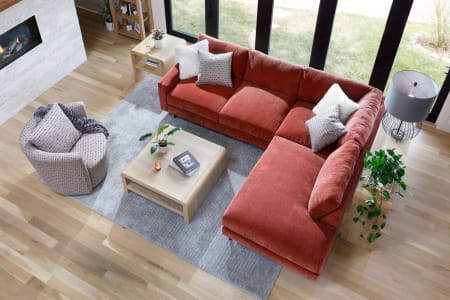
A sectional is a large sofa composed of separate sections designed to combine together, usually in L-shaped or U-shaped configurations. Because they are made in sections, some sectional components are called either right-arm facing or left-arm facing so you can tell which side their attached arm is on when facing the seating area.
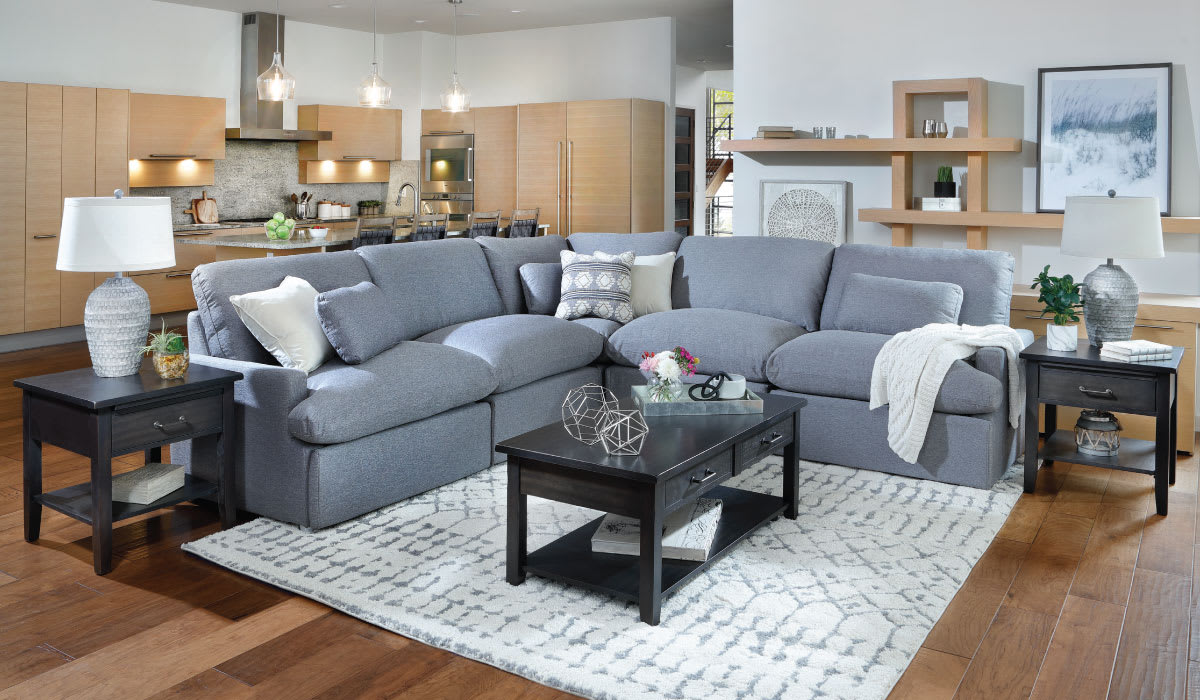
Benefits of Sectionals
- Great for Large Homes - Sectionals are usually larger in size which makes them great for large families and anyone with a spacious living room.
- Comfort in Unique Spaces - Sectionals have an angled shape, which makes them ideal for filling out corners and oddly shaped rooms.
- Storage Features - Today’s sectionals usually feature one or more convenient storage compartments for blankets, remotes, and other living room necessities.
How Do I Choose Between a Standard Sofa and a Sectional?
The best choice depends on your space, layout, and how you use your living room.
- A standard sofa offers flexibility and timeless appeal, fitting well in both small and large spaces.
- A sectional, on the other hand, provides maximum seating and a relaxed feel — perfect for families, open-concept rooms, or anyone who loves lounging.
Consider your floor plan, seating needs, and how you like to gather before deciding which fits best.
To Recline or Not to Recline?
One of the first things you should ask yourself is whether or not you want a stationary sofa or sectional, or if you want something that can recline.
What are the benefits of reclining sofas and sectionals?
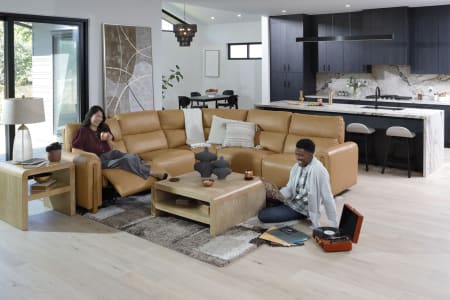
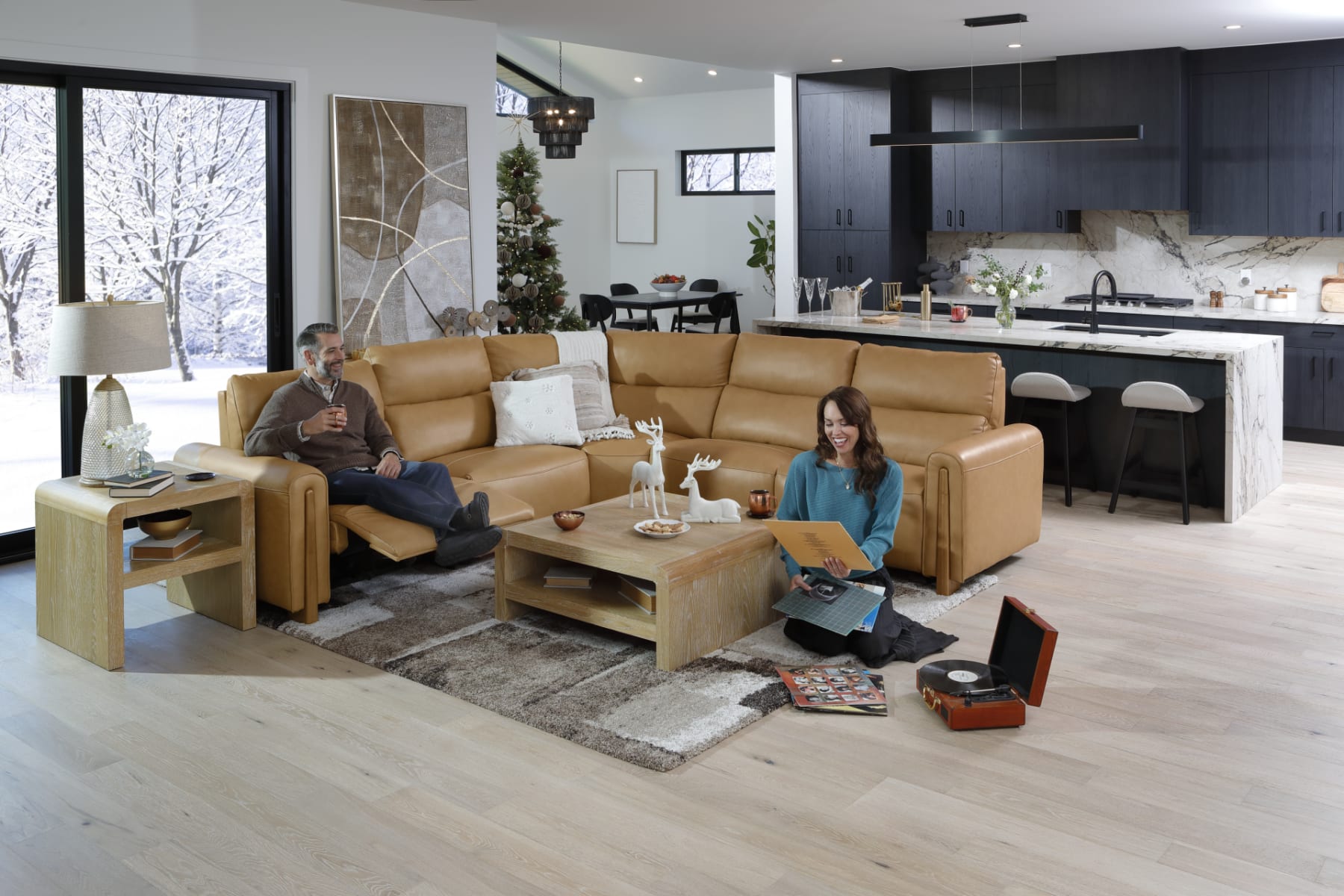
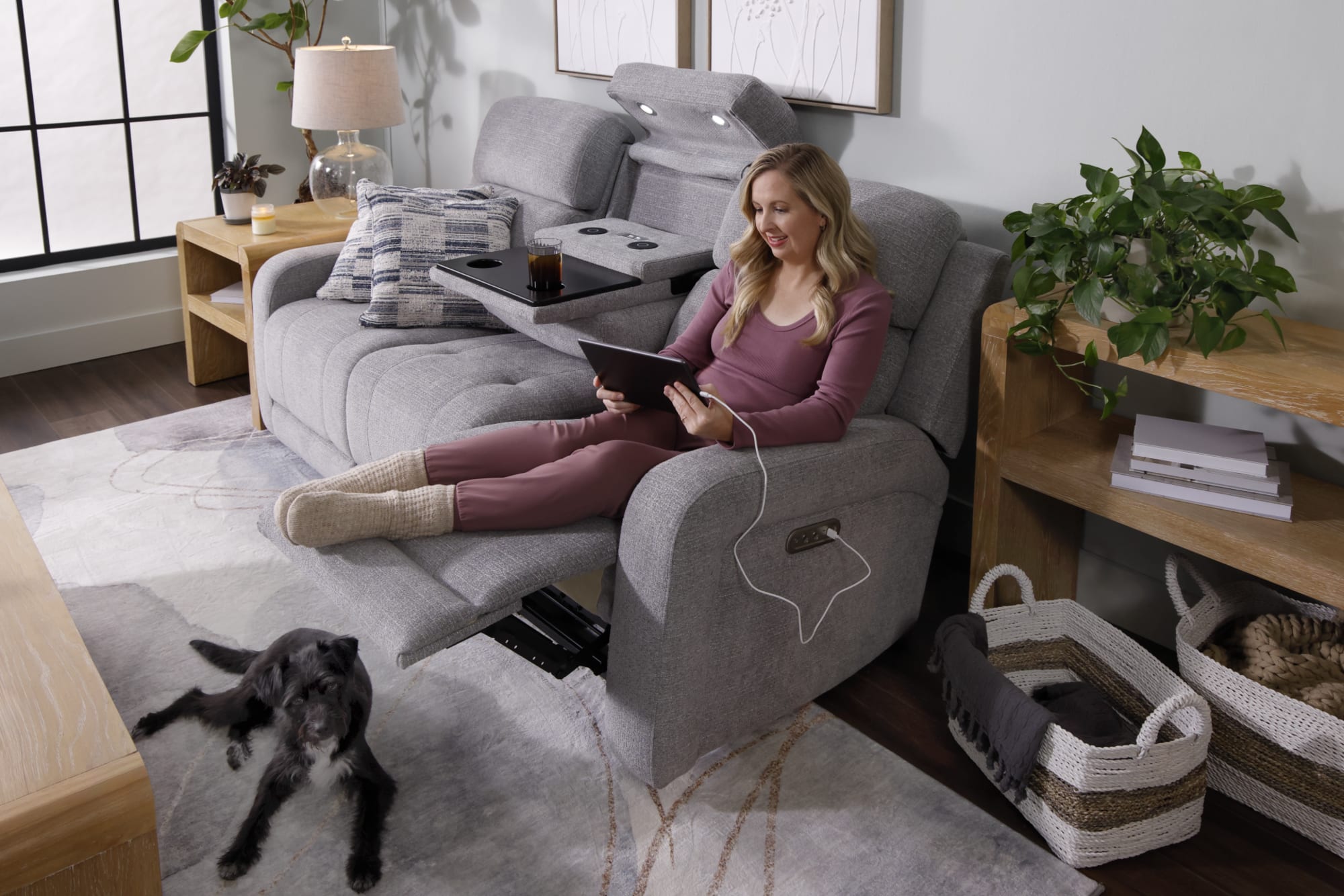
- Unparalleled Comfort - A reclining sofa or reclining sectional offers unparalleled comfort - plus only one person can lay down on a regular sofa, but a reclining sofa allows for two or more to lay back with ease!
- Instant Lounge Feel - Sofas and sectionals that can recline instill a lounge-ready atmosphere to your space, perfect for movie nights with family and friends.
- Great for Chronic Pain - Reclining sofas and sectionals can be amazing for people with chronic back pain, especially if it features a Power Lift* or Zero Gravity* mechanism.
Size and Lifestyle Considerations
Choosing the right sofa or sectional isn’t just about style — it’s about how you live. Before you buy, take a moment to think about your space, daily routines, and the people who’ll enjoy the sofa most, so you can find a piece that’s both comfortable and perfectly suited to your lifestyle.
For example:
- If you need something for a large space, or if you want something you'll love for the next 10+ years → shop for a sectional offering durable construction and convenient features.
- If you need something small, or if your focusing on elevating the style of a space → look for smaller sofa designs made with modern materials.
How Do I Make Sure a Sofa is the Right Size for My Living Room?
The last thing anyone wants to do is take home something that’s simply too big or too small for their living room! Measure carefully to make sure your new sofa or sectional will meet the needs of your space.
- How to measure your space: Start by taking accurate measurements of your room, including doorways and walkways. The general rule in the interior design world is that the length of your sofa should be about two-thirds of the length of the room it inhabits.
- To figure this out, take the length of your living room (in inches) and multiply it by 0.66 to get the ideal length of any new sofa or sectional!
*(For more information on how to arrange your living room, be sure to out our Living Room Layout Guide!)
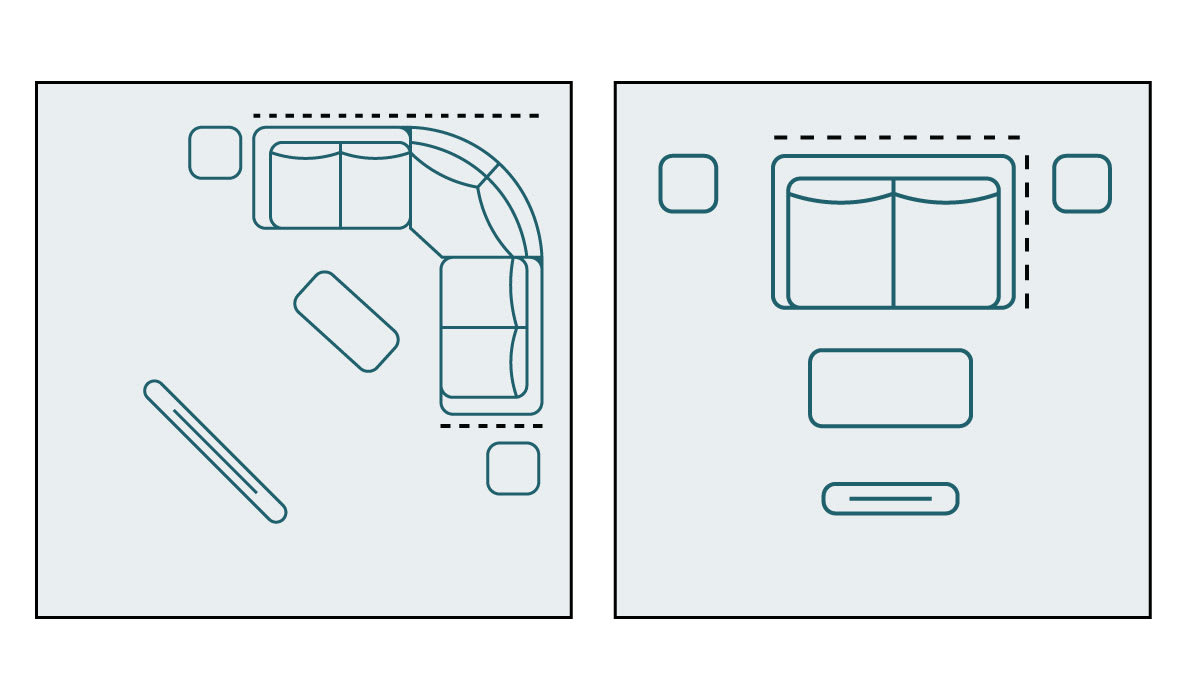
- If you have a small or medium-sized living room and need straight-lined seating that can be placed either along a wall or towards the center of the room, then you’ll probably want to opt for a standard sofa.
- If you have a larger space or need to fill out a corner of your living room, then you may want to look at either a 2-piece sectional, a 4-piece sectional, or even something like a 6-piece modular sectional*, depending on the size of your home.
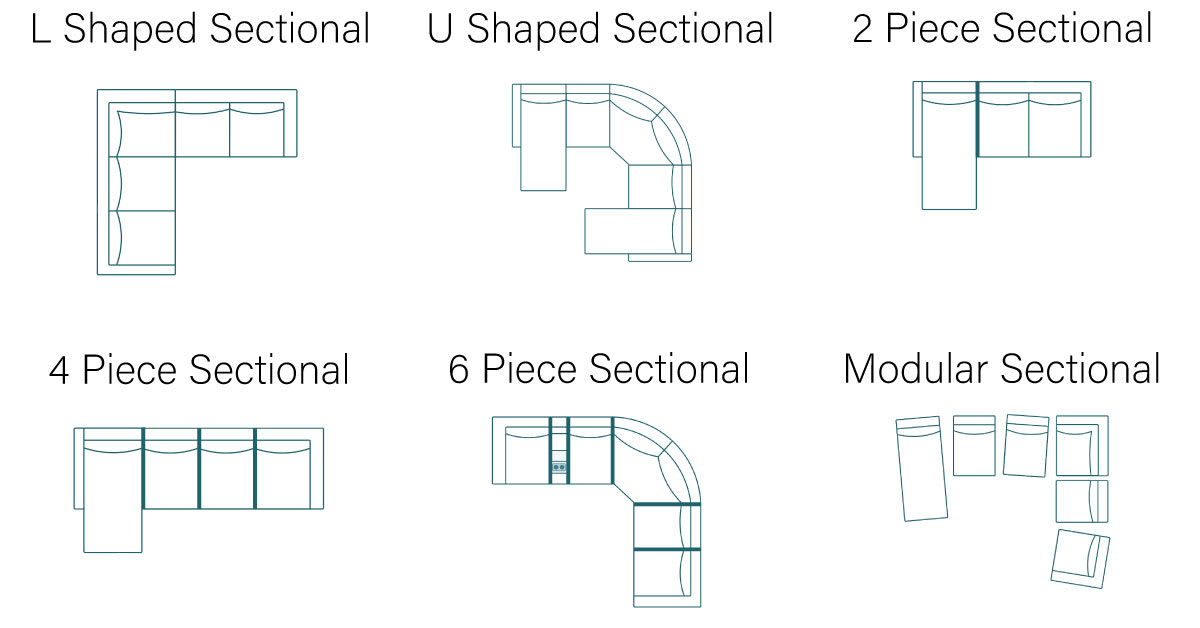
*What’s a modular sectional?
- A modular sectional is different from a traditional sectional because the sections in a modular sectional can be pieced together in any configuration to suit any room shape, whereas traditional sectionals can only come together in 1 or 2 predetermined configurations.
How Well It's Made = How Much You Paid!
Regardless of size and added features, sofas and sectionals are made similarly. Understanding the basics about how frames and internal support systems are constructed is an easy way to see if you’re spending your money wisely.
The Frame
The frames of sofas and sectionals are usually made from wood - but when it comes to support and lifespan, not all woods are created equally. The two main types of wood you’re likely to see when sofa shopping are engineered wood and hardwood.
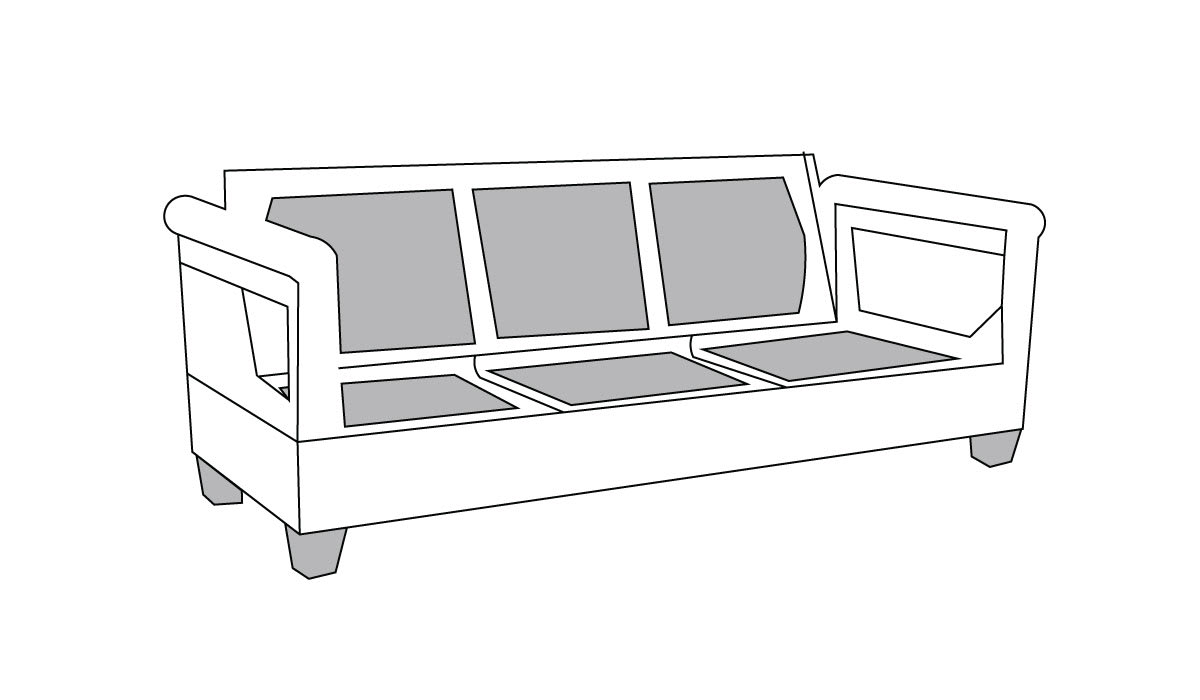
- Engineered Wood - Engineered wood is a general term for types of man-made wood, which are created by binding scrap wood, shredded fibers and even sawdust together with strong adhesive. There are many types of engineered wood, the most common varieties in furniture being MDF and plywood.
- MDF is a versatile and affordable type of engineered wood made by combining hardwood and softwood pieces into fibers, which are combined with wax and resin binders, and formed into panels with high temperatures and pressures.
- Plywood is a surprisingly hearty type of engineered wood which is created by gluing and pressing thin layers of wood together at 90-degree angles so that the grain runs perpendicular to one another for exceptional strength.
- Hardwood - Hardwood is a hearty type of wood that comes from broad-leafed trees. Because it is so strong, hardwood is considered the highest quality material when it comes to sofa frame construction, but it is also the most expensive.
- Solid Hardwood - If a piece of furniture is made from “solid hardwood”, it means that it is made using only solid pieces of hardwood and no veneers for exceptional durability. Veneers make things look beautiful, but pieces made with veneers aren’t as durable as solid hardwood pieces.
Internal Support Systems
The internal support system is another thing to consider when understanding the quality and value of a new sofa or sectional. Like with the frame, there are multiple varieties of support systems to be aware of when shopping for a sofa. The most common types of internal support systems are coils, elastic webbing, sinuous springs, and metal band bases.
Coils
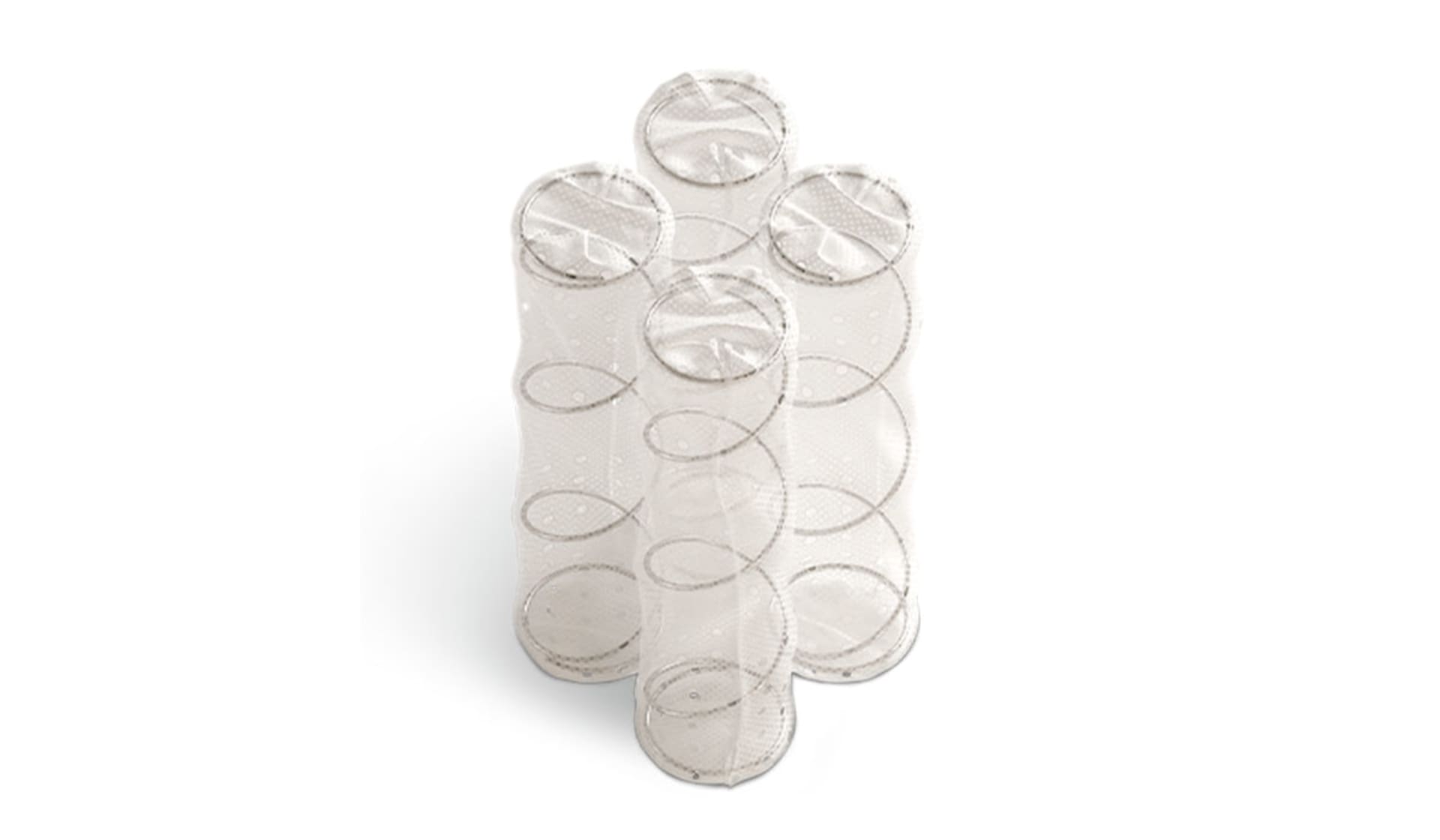
Just like with mattresses some sofas feature coils as means of support between the frame and seat cushions. Coils are considered a traditional support feature compared to other techniques, and they add to overall resiliency and comfort over time.
Elastic Webbing
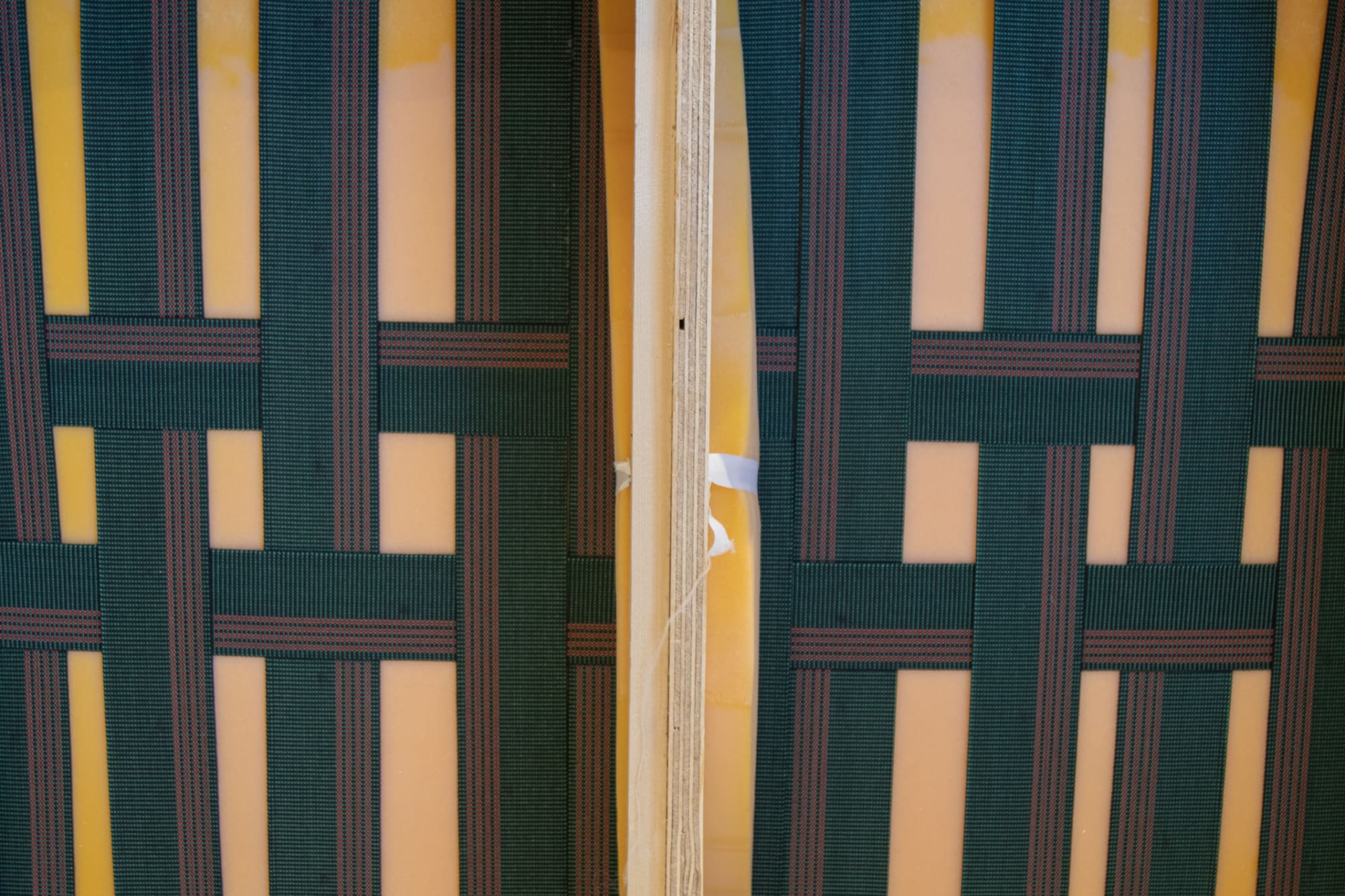
Elastic webbing is a support system for upholstered furniture made from thick synthetic and nylon-blended strips which are interwoven to create a strong yet flexible foundation. Elastic webbing is a relatively modern construction material that's affordable and resilient.
Sinuous Springs
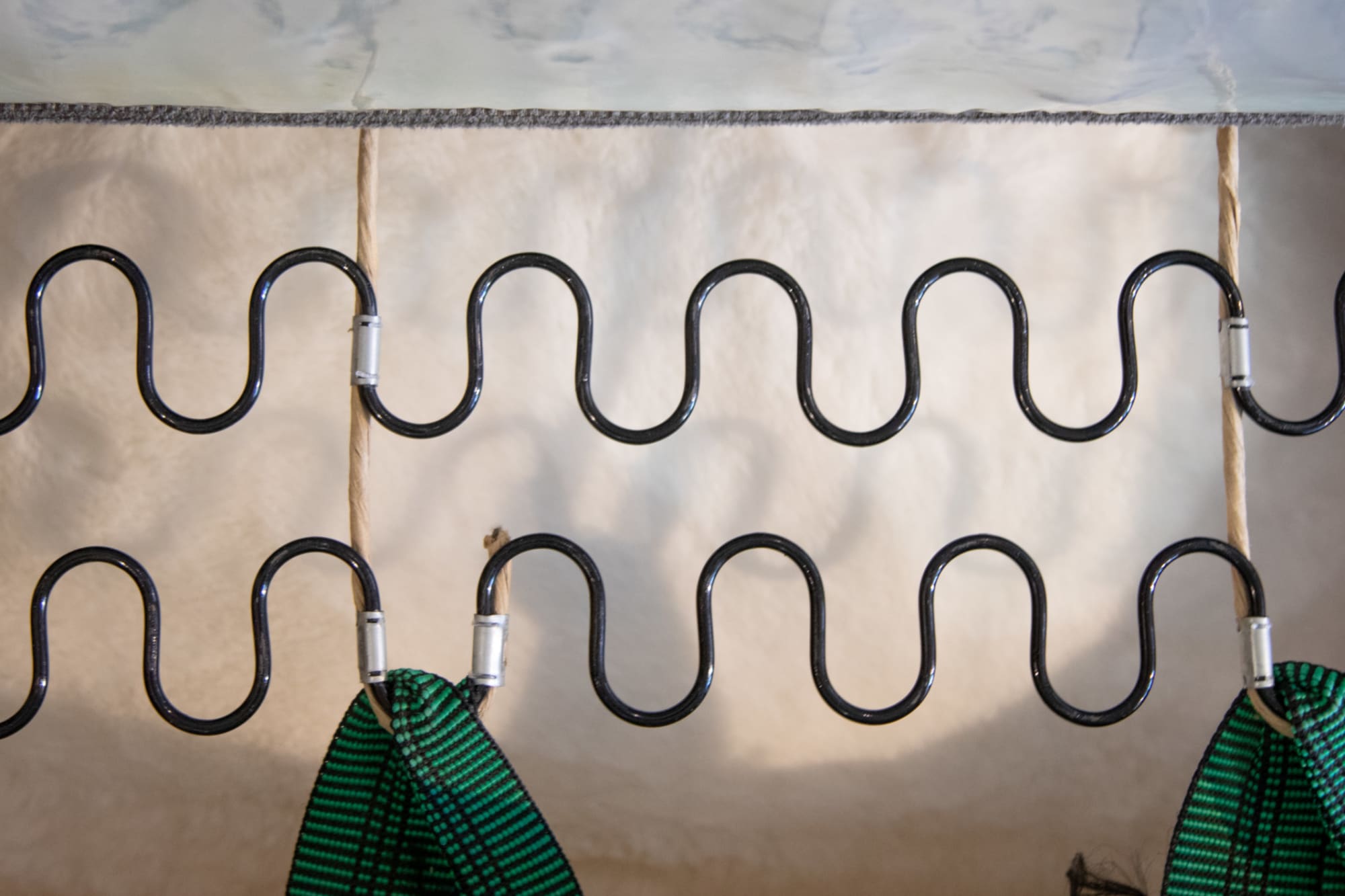
Sinuous springs are a support system composed of rows of steel wires bent into continuous S-shapes. Sinuous springs strike a balance between affordability and high-quality because they provide resilient support, improve the overall lifespan, and are easy to work with.
Metal Band Bases

Instead of springs or webbing, some sofas and sectionals employ metal bands within their seating areas to provide top level support with unparalleled longevity. Metal band bases are considered a premium type of internal support, a well known example being Flexsteel’s patented Blue Steel® Base which offers a decades-long lifespan.
What Other Elements Should I Consider Before Buying a Sofa?
After finding your perfect fit, make sure you:
- Think about daily use: Consider how you use your living space. Do you love hosting movie nights or need a cozy reading spot? Your habits help determine the best size, shape, and seating depth.
- Match durability to your lifestyle: If you have kids, pets, or frequent guests, choose a durable fabric like microfiber, leather, or performance upholstery that’s easy to clean and built to last.
- Balance comfort and function: Deep, plush seating works great for lounging, while firmer cushions and structured arms are ideal for formal spaces or smaller rooms.
- Consider special features: Look for functional details like heat and massage, pull-out sleepers, or hidden storage to maximize versatility in your layout.
- Keep style in mind: Select a design that reflects your personal aesthetic and complements your existing decor — whether that’s modern, classic, or cozy and casual.
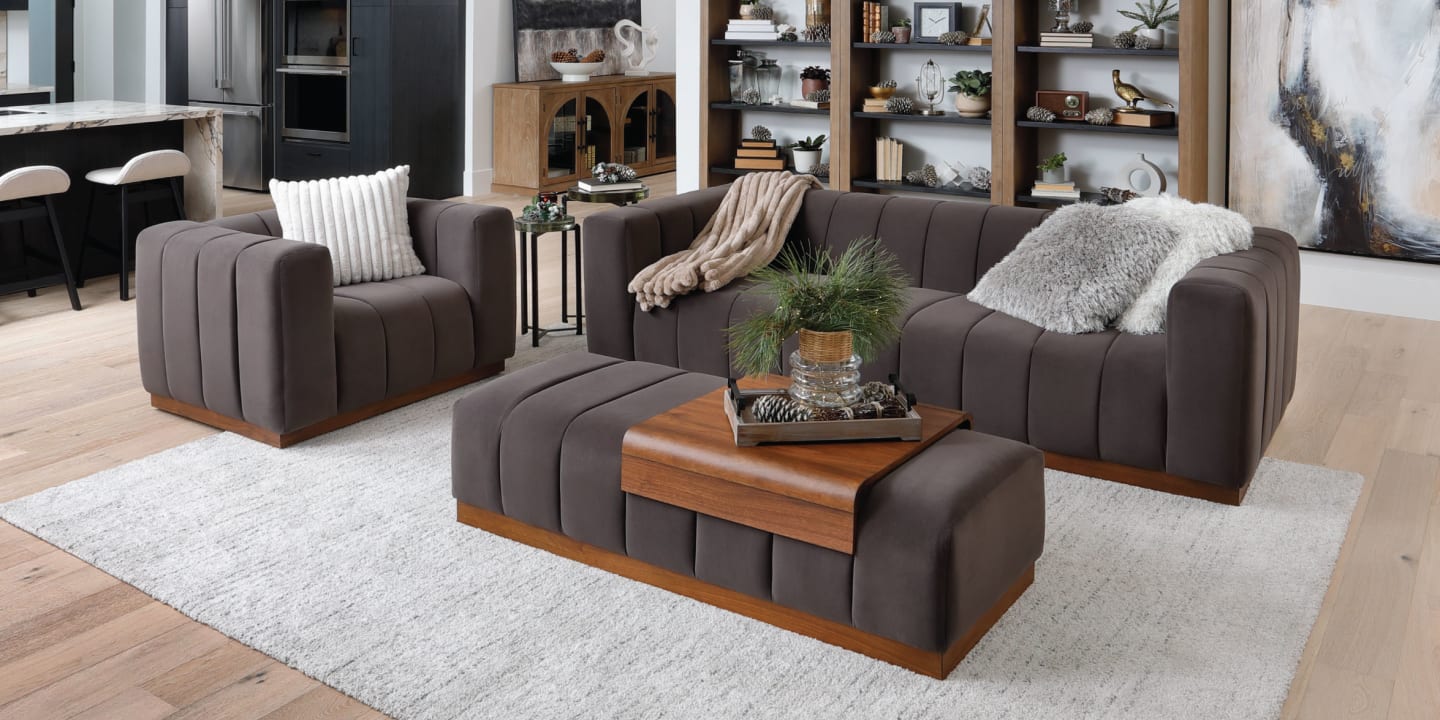
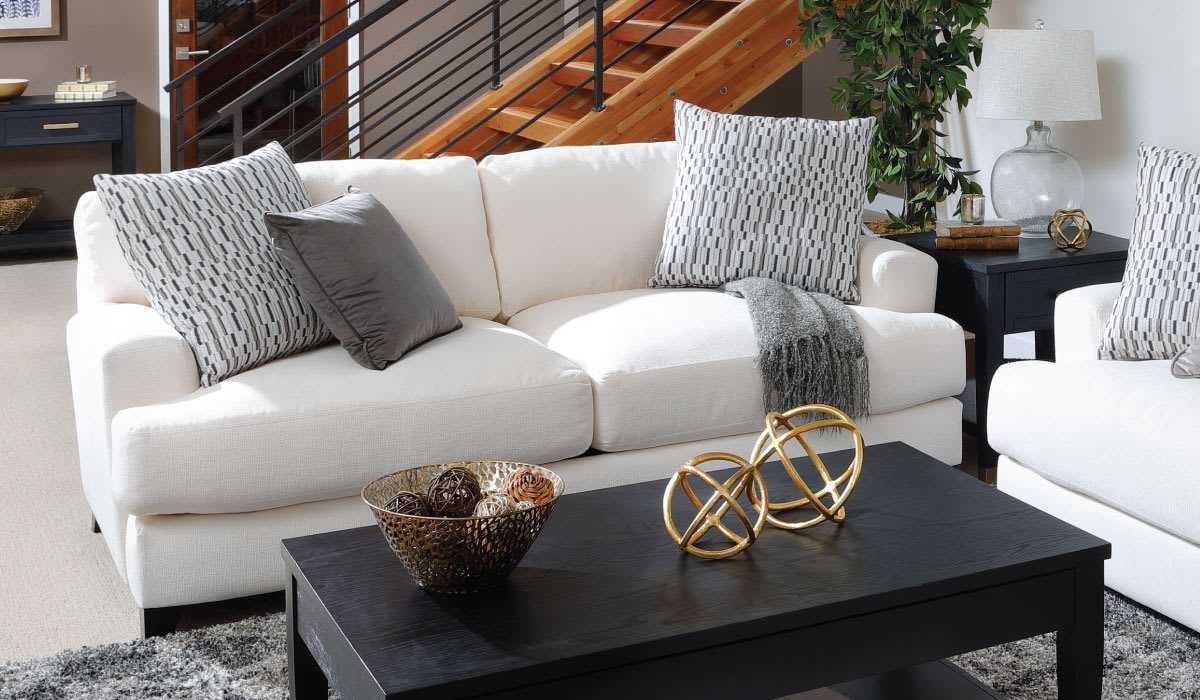
(Featured above, the Laurent Channel Sofa)
Ready to find your perfect sofa?
Now that you know the basics of sofas and sectionals, you’re ready to start shopping for the right product for you, your home, and your needs.
Happy shopping!
More Sofa Buying Guides:
Go to the Blog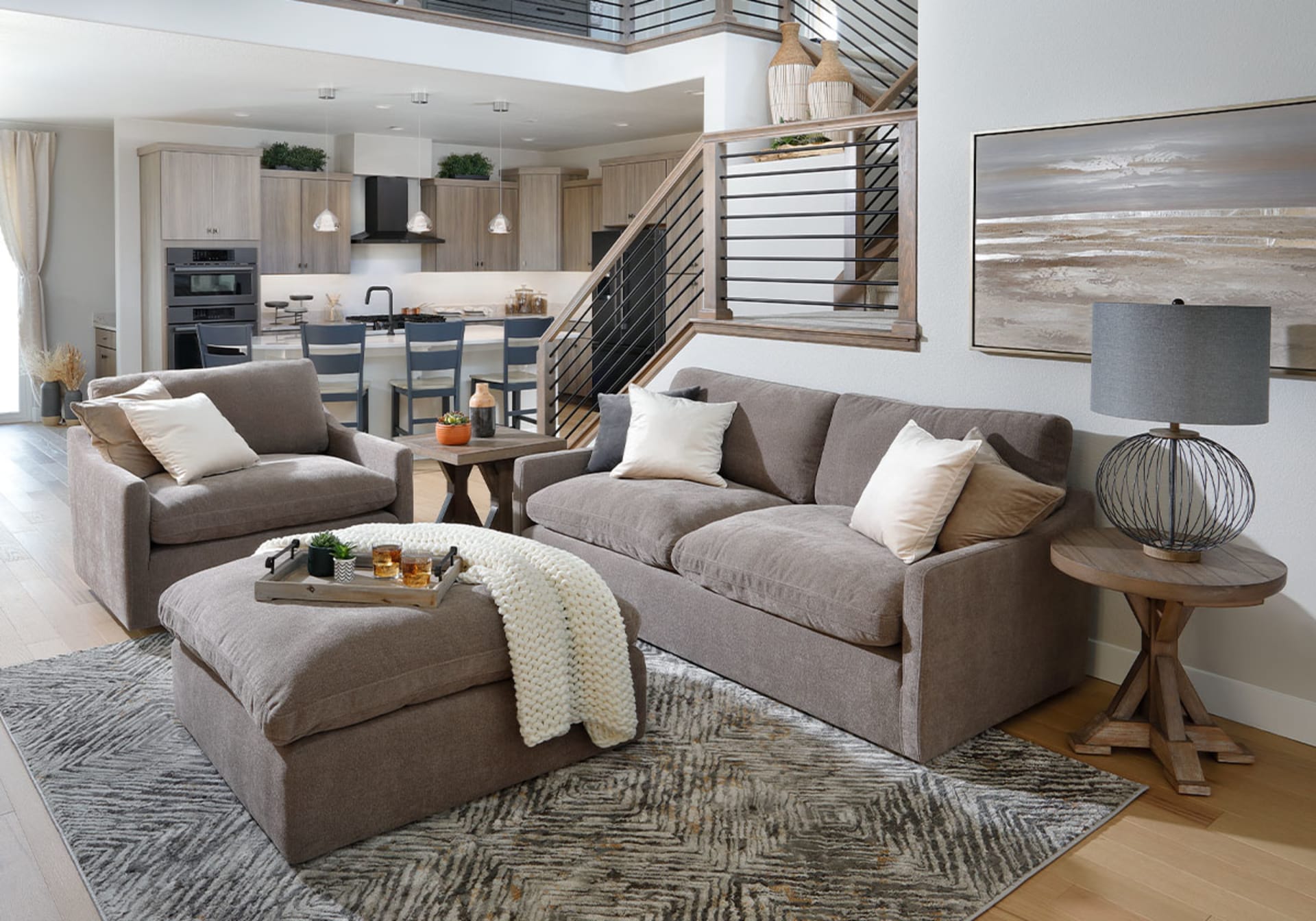
Sofa Buying Guide: Comfort Features
Find your perfect sofa comfort with the right cushions, seat depth, and cozy, durable upholstery fabrics.
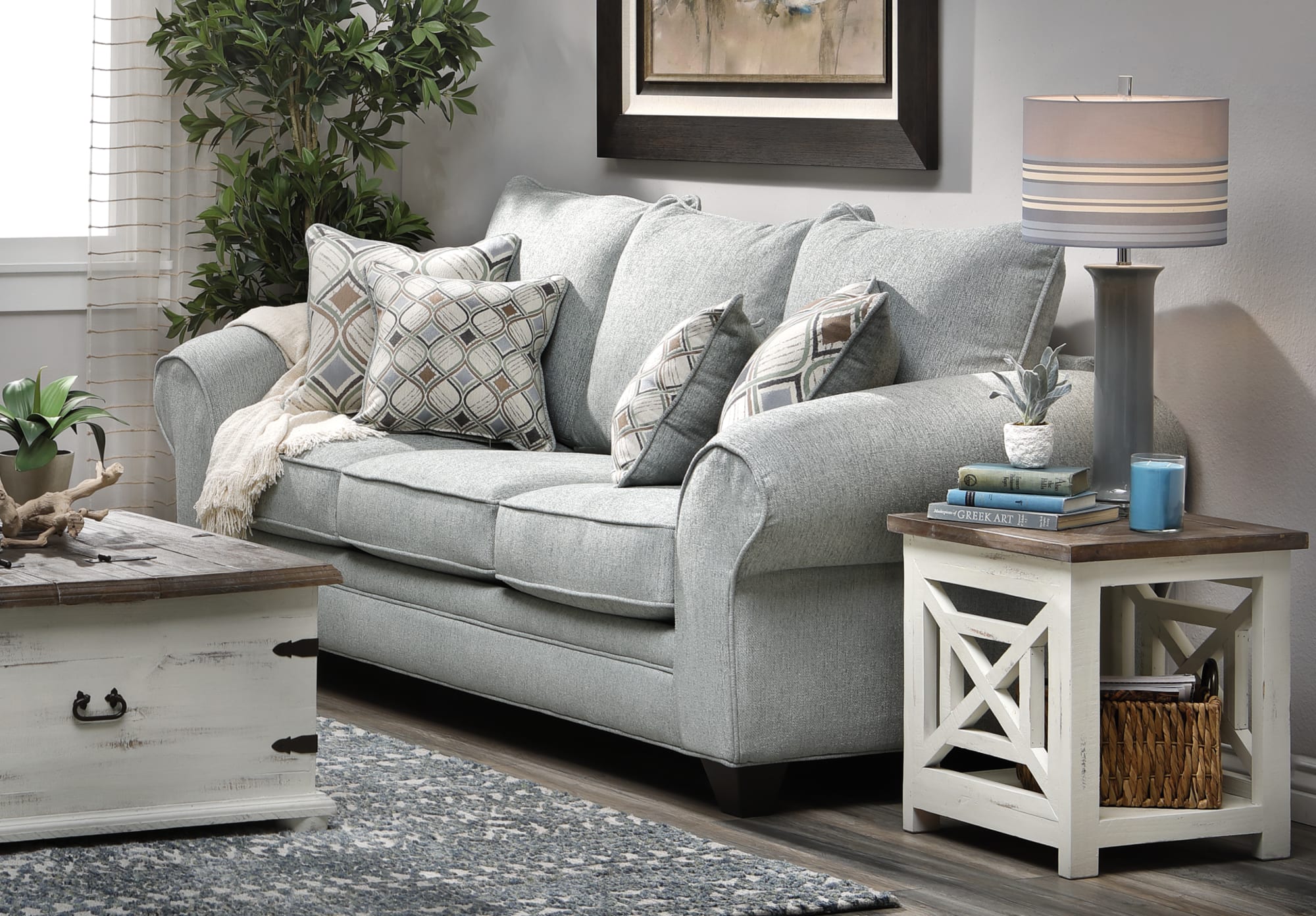
Sofa Buying Guide: Sofa Styles
Explore popular sofa styles—from Chesterfield to roll arm—to find the perfect look, comfort, and vibe.

Sofa Buying Guide: Sofa Arm Types
Explore sofa arm styles - from track arms to cozy shelter arms - to match your comfort and living room style.
Sofa Buying Guide: Comfort Features
Find your perfect sofa comfort with the right cushions, seat depth, and cozy, durable upholstery fabrics.
Sofa Buying Guide: Sofa Styles
Explore popular sofa styles—from Chesterfield to roll arm—to find the perfect look, comfort, and vibe.
Sofa Buying Guide: Sofa Arm Types
Explore sofa arm styles - from track arms to cozy shelter arms - to match your comfort and living room style.