


How to Make Bold Art Work Anywhere
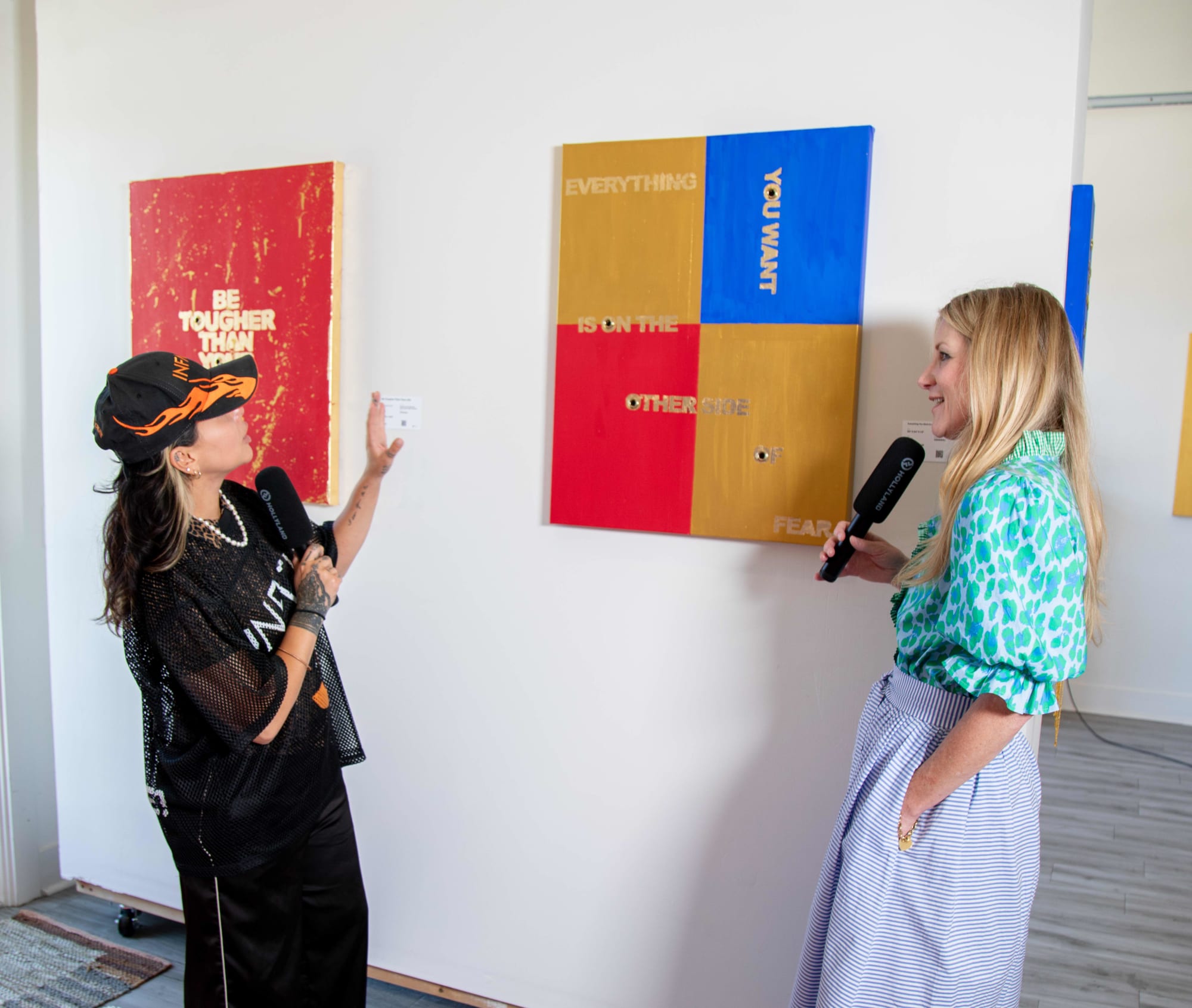
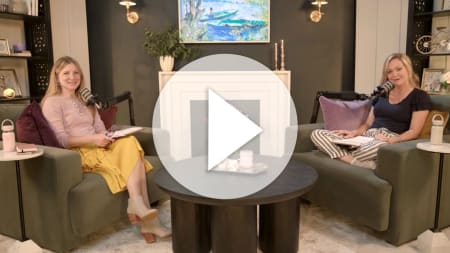
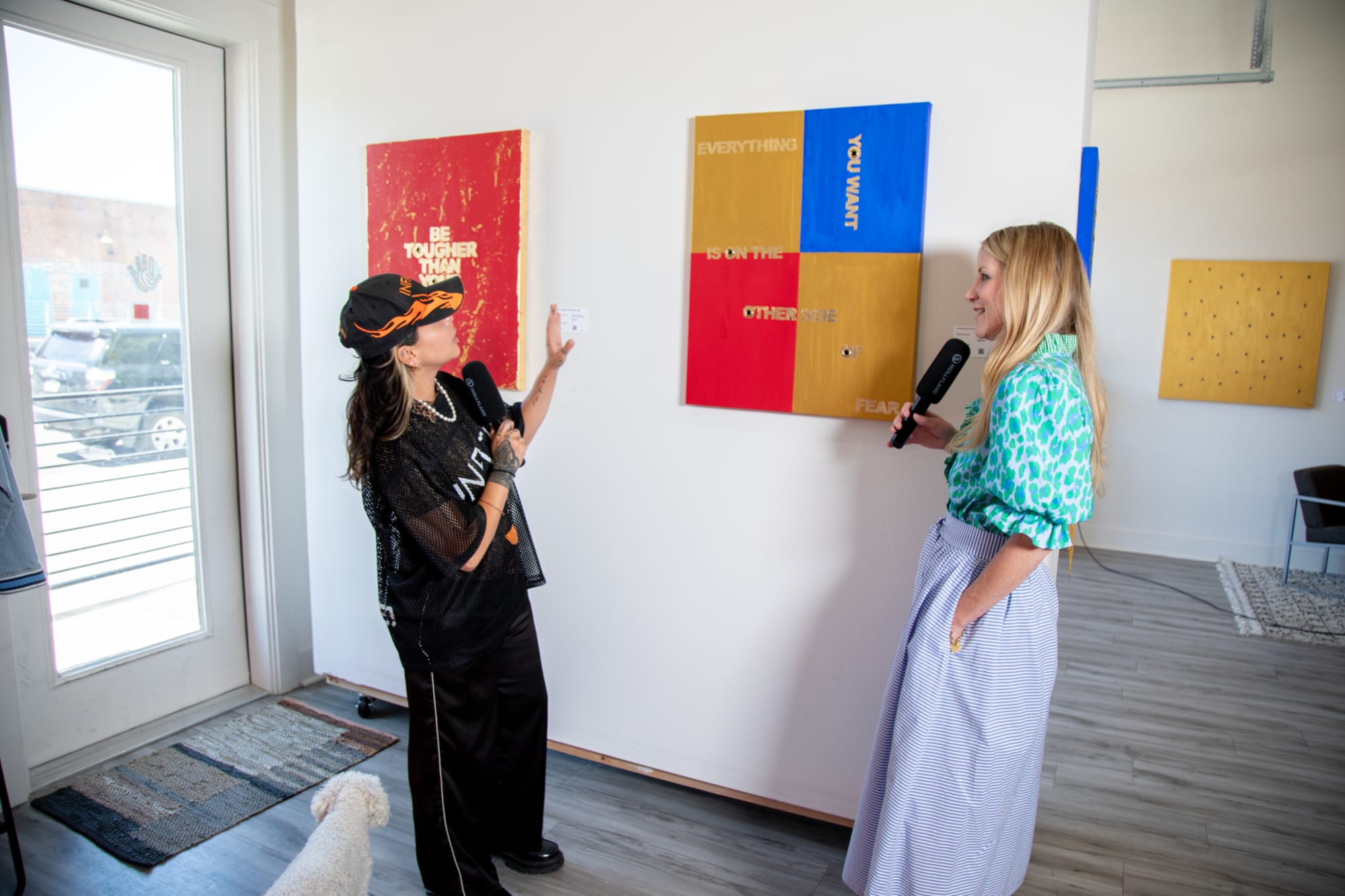
Choosing bold statement art doesn't require a maximalist home or a background in fine art. On the latest episode of Seated with Furniture Row, Barb met up with Denver-based designer and artist Fresh Sam at Pulse Visual Art in RiNo to talk about how a single striking piece can live comfortably in a minimalist space, a traditional living room, or anywhere in-between…as long as it's chosen with intention.
Choose Art That Feels True to You
The biggest mistake people make when selecting art is chasing what's trendy instead of what genuinely resonates with them.
Fresh Sam puts it plainly: her advice to anyone shopping for a statement piece is to pick "what feels true and fitting to you," rather than worrying about matching a specific aesthetic. She's built an entire body of work, her "Pain and Prosperity" collection, around that same philosophy, and she treats her own home the same way, mixing her pieces with work from other artists whenever something "calls" to her.
This personal-first approach matters because bold art tends to intimidate people who assume it only belongs in ultra-modern or eclectic spaces. A few of Sam's own points push back on that assumption directly:
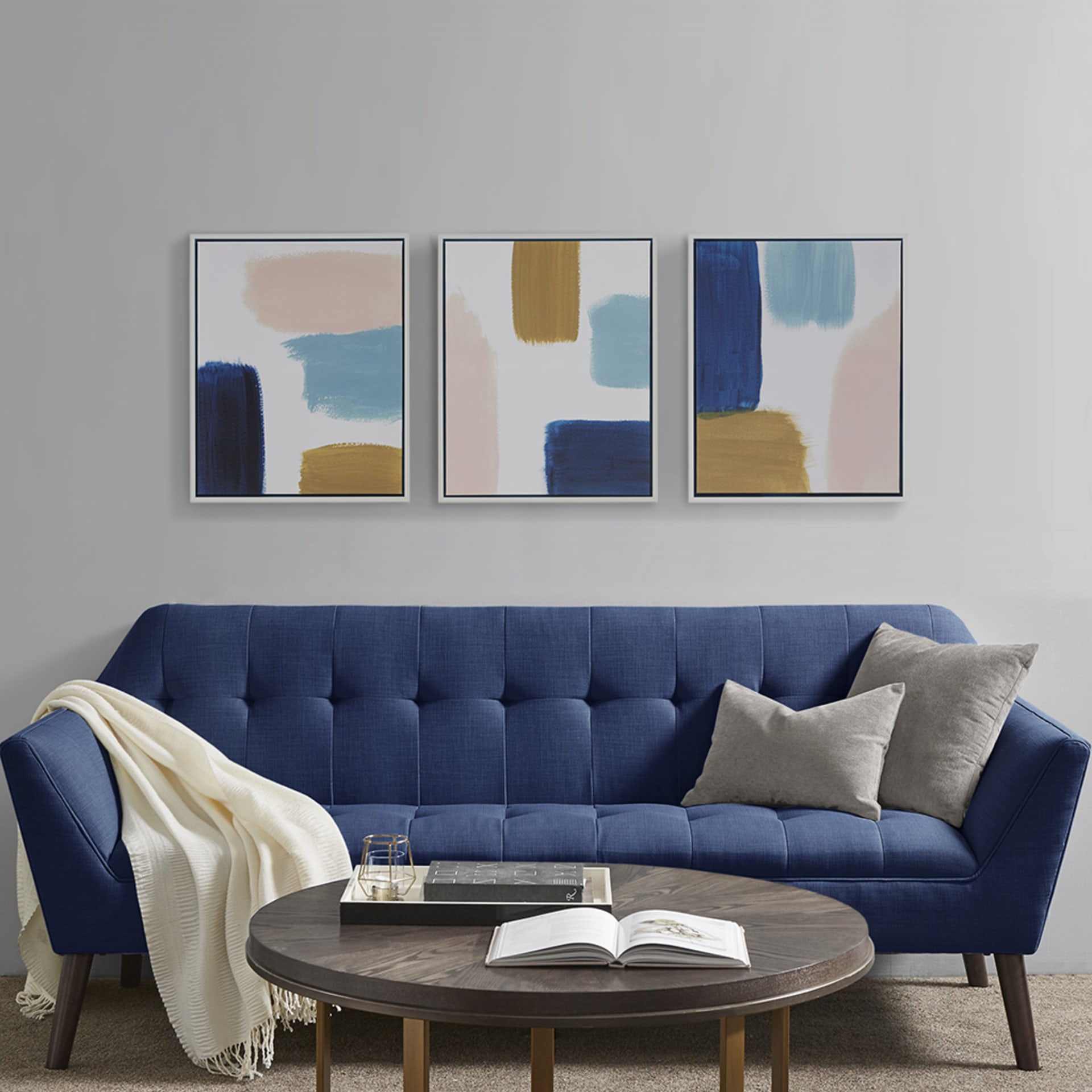
- Let art anchor the room, don't force it to blend in: Treat a bold piece as the starting point for the space, not an accessory. Furniture and accents can support the art's tone instead of competing with it. If you have statement art, a simple sofa or chair in a complementary color can sit right in front and let it do the visual work.
- Bold art can work in traditional homes: For traditional rooms, choose a more restrained piece from a bold collection, one with a simpler palette or a single dominant color, instead of trying to force a piece that’s too busy. A traditional room can absolutely hold color and personality; it just asks for a little more restraint.
- Look for pieces built to move with you: Some artists design work to hold up in a range of settings, a home office, a living room, even a hotel lobby. Seeking out that kind of versatile piece is smart if you’re hesitating on a big art purchase: if a piece is made to work in multiple types of spaces, it won't feel stuck or dated if you want move it to a new room.
Scale and Placement Matter More Than "Matching"
You don’t have to find a statement piece that dominates an entire wall to make an impact.
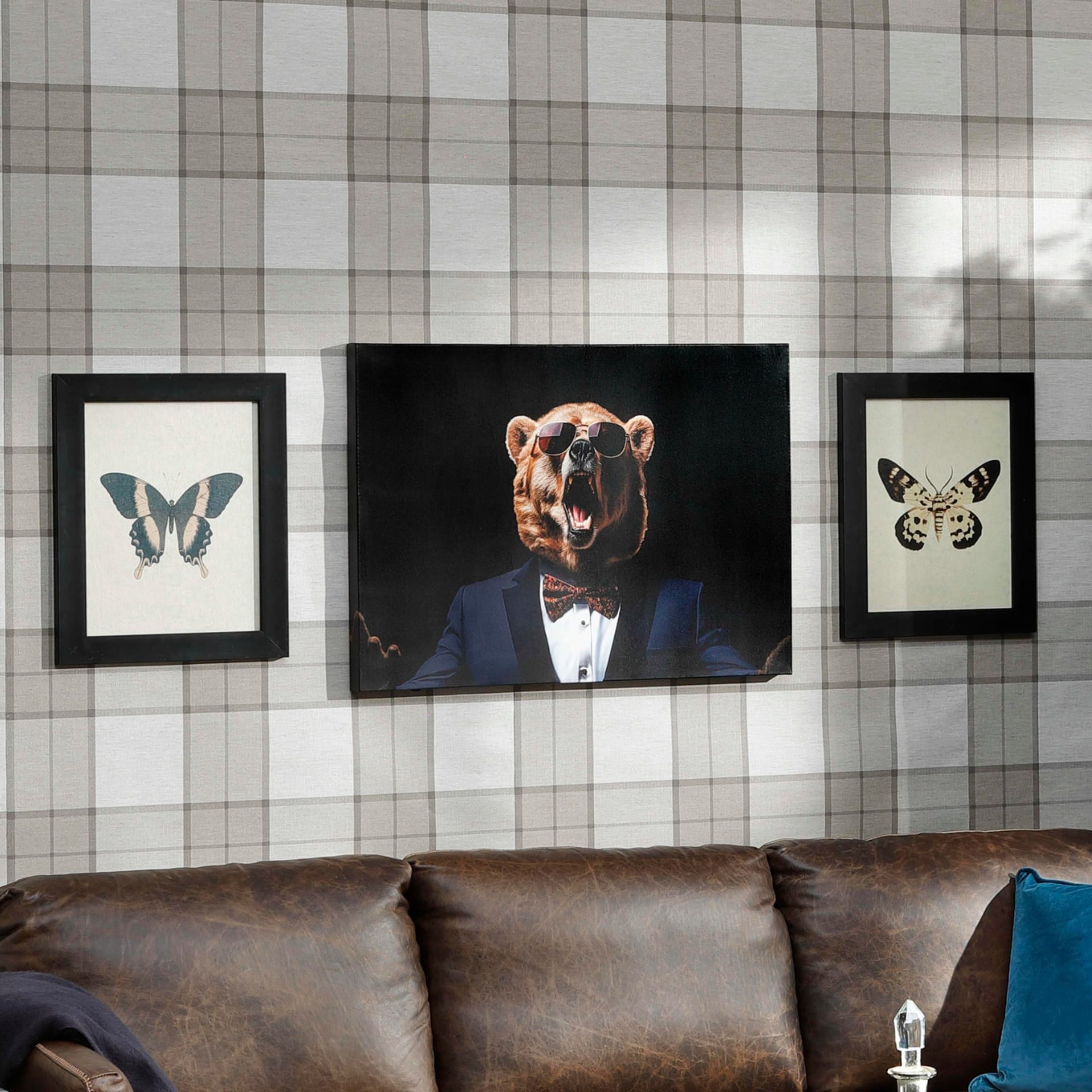
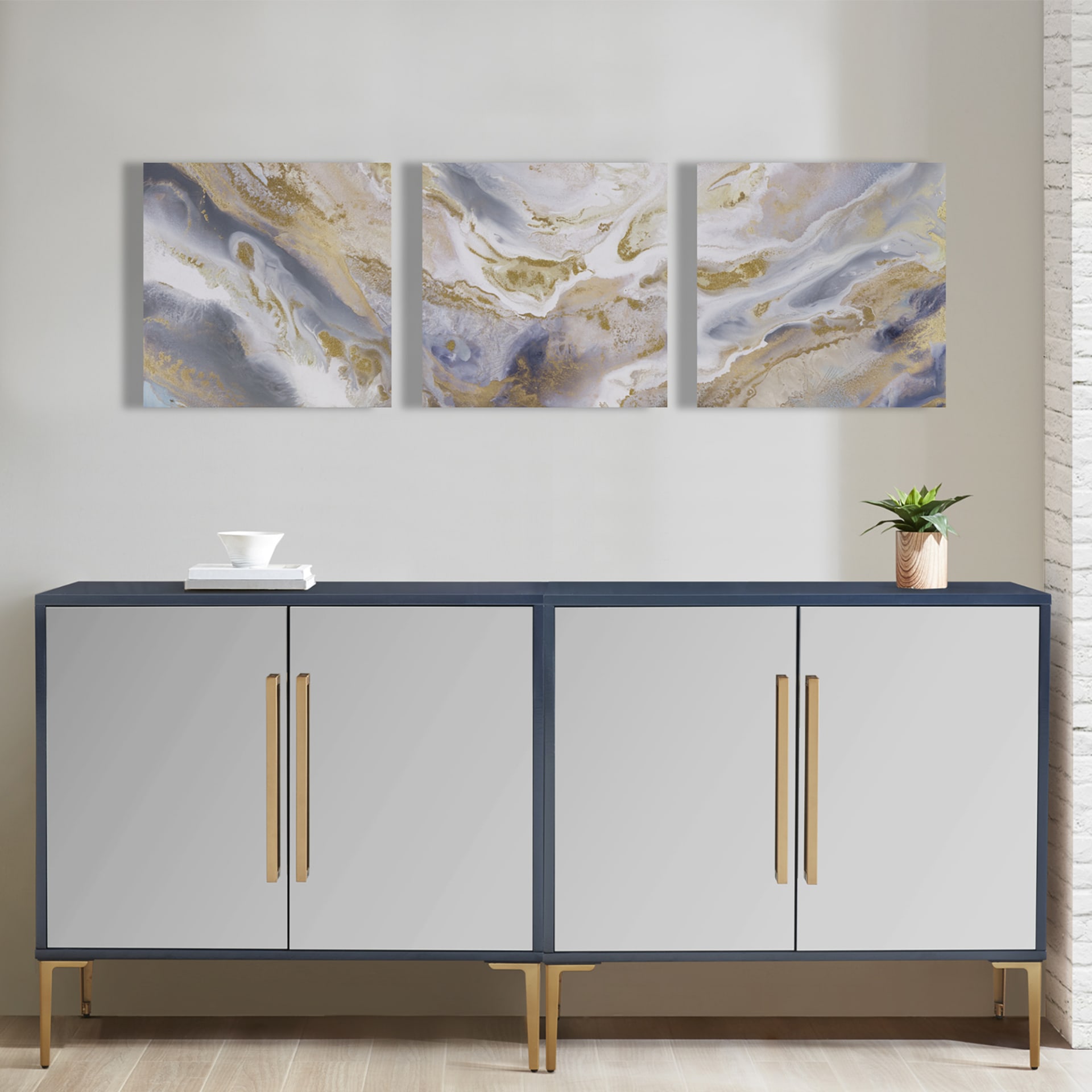
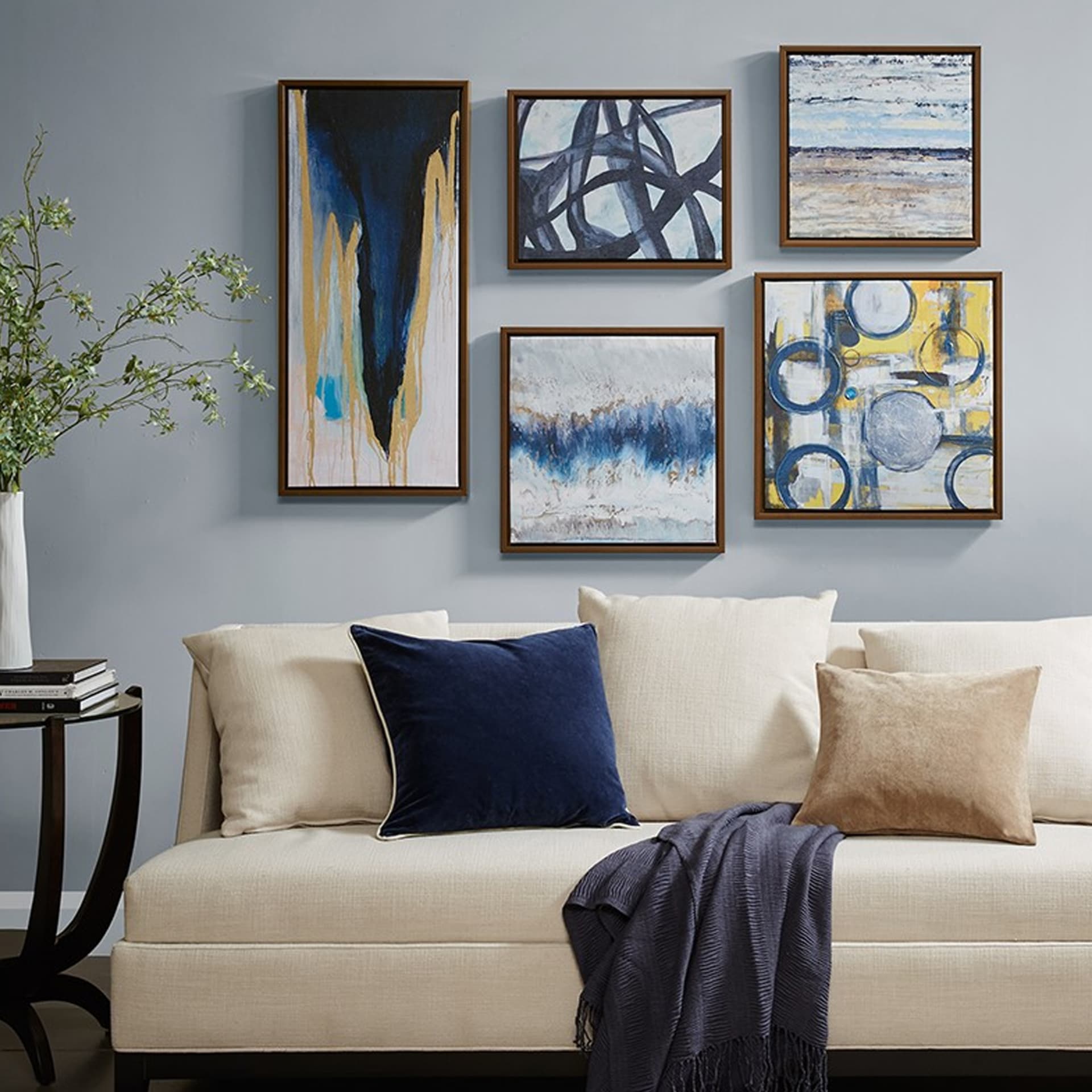
- Cluster smaller pieces into one big statement. A grouped set of smaller framed pieces can read as one large, cohesive work from across the room, so you get the same visual weight as an oversized canvas. Sam uses this approach with her own wall art: she loves each piece individually, but "also like[s] the whole wall," because the grouping becomes its own statement.
- Put it where you'll actually see it. A bold piece earns its place by living somewhere you pass daily, not just on a formal living room wall. A powder room or the kitchen works just as well as a gallery wall; the goal is a piece you see "on a regular basis," so it becomes part of your routine instead of decor reserved for special occasions.
- Or lean into a threshold moment. Entryways, stairwell landings, and hallway walls are often underused for statement art, but they're ideal spots because they mark a transition into a new space without competing with a room's existing furniture arrangement. Crossing into a room is its own kind of visual cue, and a bold piece there makes that moment memorable.
The Psychology of Color Pairing
Sam's collection leans heavily on a specific, deliberate color trio, and she's explicit about why each one earns its place on the wall.
- Cobalt blue: represents happiness, and works well as a calming backdrop that keeps bolder colors from feeling overwhelming.
- Red: tied to love, passion, and intensity; best used as an accent since it tends to pull people "out of their shells".
- Gold: symbolizes refinement, "refined through a fire," and adds warmth in details like frames, leaf accents, or grommets.
Her technique for making these bold colors "play well together" isn't random. She builds pieces in pairs, one dominated by gold and shine, its counterpart built around the same palette but inverted, so the two can hang together or stand alone depending on the space.
For someone furnishing a room, this pairing approach translates easily: choose two or three colors that repeat across a few key pieces (a rug, a chair, a painting) instead of scattering unrelated hues throughout the room.

Home as a Wellness Retreat
Your home isn't a showroom, and it's not obligated to impress anyone who walks through the door. Treat it like a retreat instead: a space built entirely around how you want to feel, not how you think it should look for guests, trends, or Instagram. That's part of why wellness has become such a driving force in design lately, think furniture that actually helps you unwind, like a chair built for relaxation, instead of pieces chosen purely for looks.
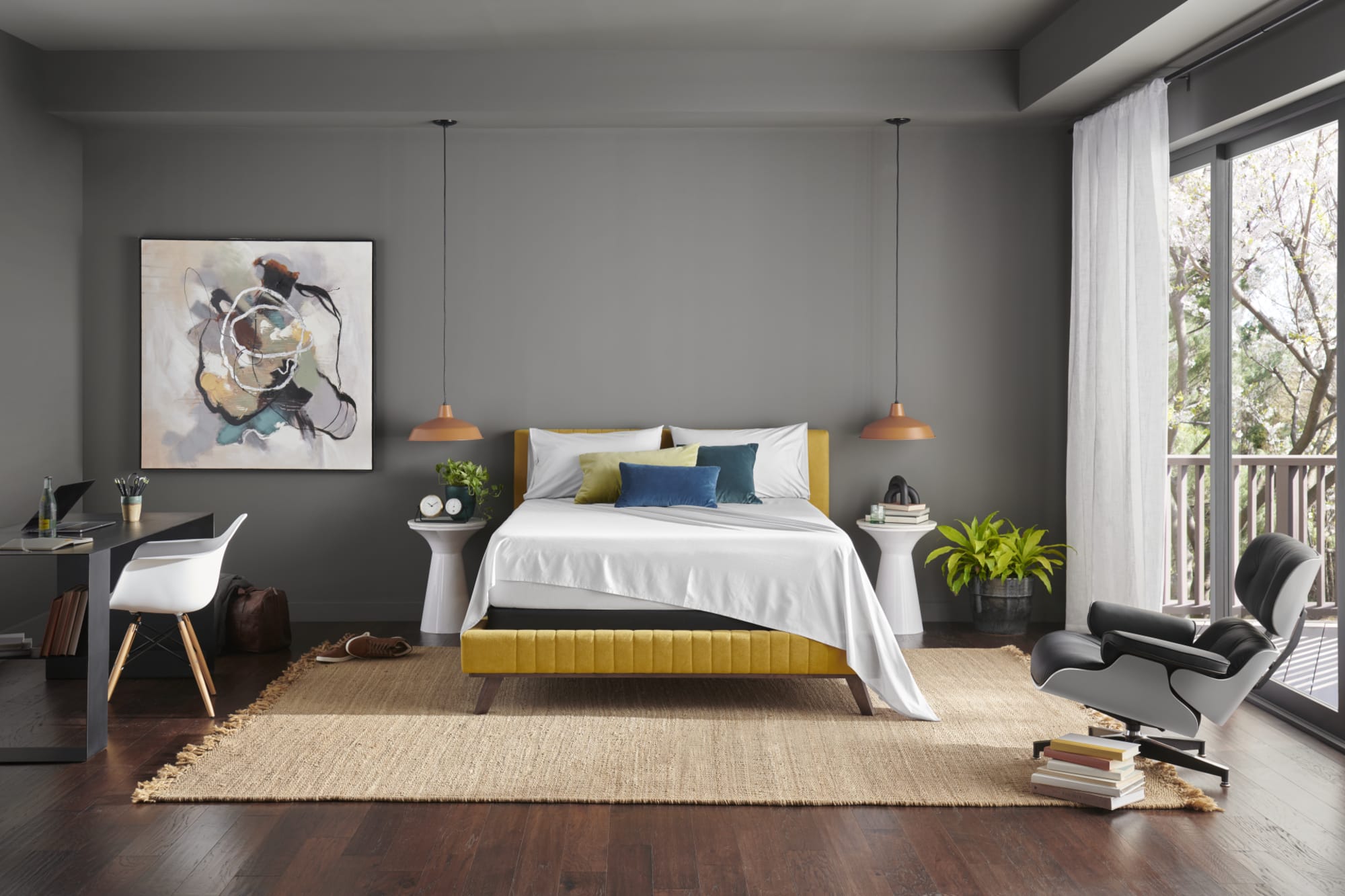
That comfort-first mindset also changes how you think about how much you need. It doesn't mean going empty, it means being ruthless about what earns a spot in your space, so the things you do keep actually make an impact. A clean room with one or two bold, meaningful pieces can feel just as curated as a busier, maximalist space…sometimes even more restful, since there's nothing competing for your attention.
At the end of the day, this is about giving yourself permission to decorate for you, not for whatever's trending this season. Life's too short to live in a home that feels borrowed from someone else's Pinterest board. Fill it with what genuinely makes you feel calm, energized, or at home, and let that be enough.
Practical Takeaways
- Pick pieces based on personal resonance, not trend cycles; scale and placement can make even bold art work in traditional spaces.
- Use two or three anchor colors across a room's key pieces instead of scattering unrelated tones, borrowing from Sam's cobalt-red-gold approach.
- Place statement art somewhere you'll see it daily (kitchens, hallways, entryways) rather than reserving it only for a formal living room wall.
- Minimalism and bold art aren't contradictory; fewer, more intentional pieces often create a stronger sense of calm than a room full of decor.
Check Out Fresh Sam’s Art!
Fresh Sam's "Pain and Prosperity" collection is on view at Pulse Art Gallery in Denver's RiNo Arts District through August 2nd, offering a firsthand look at how these color and placement principles play out on canvas.
More Inspiration From the Seated Podcast
Go to the Blog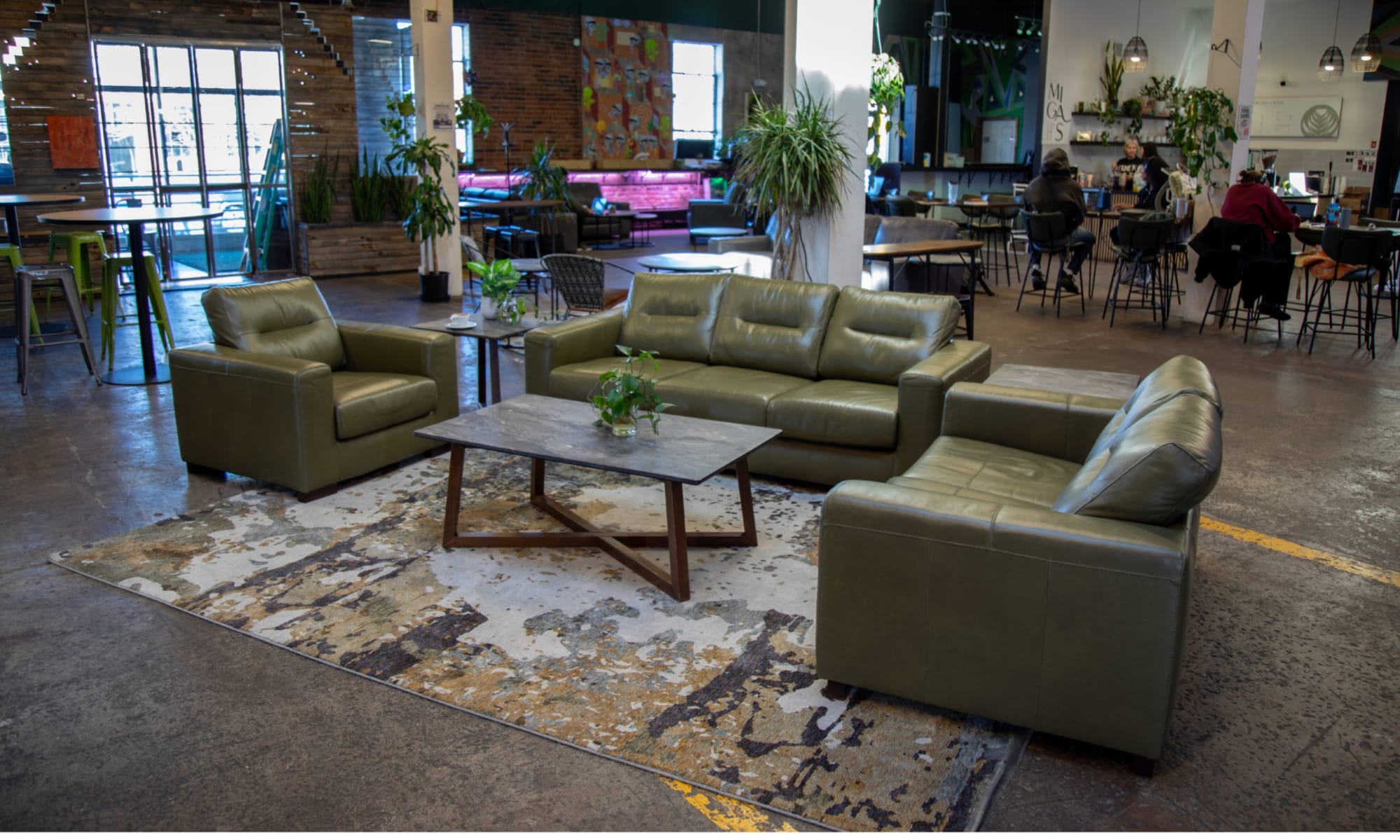
How to Design Community Spaces
Design welcoming community spaces with durable furniture, cozy seating, natural materials, and intentional style.
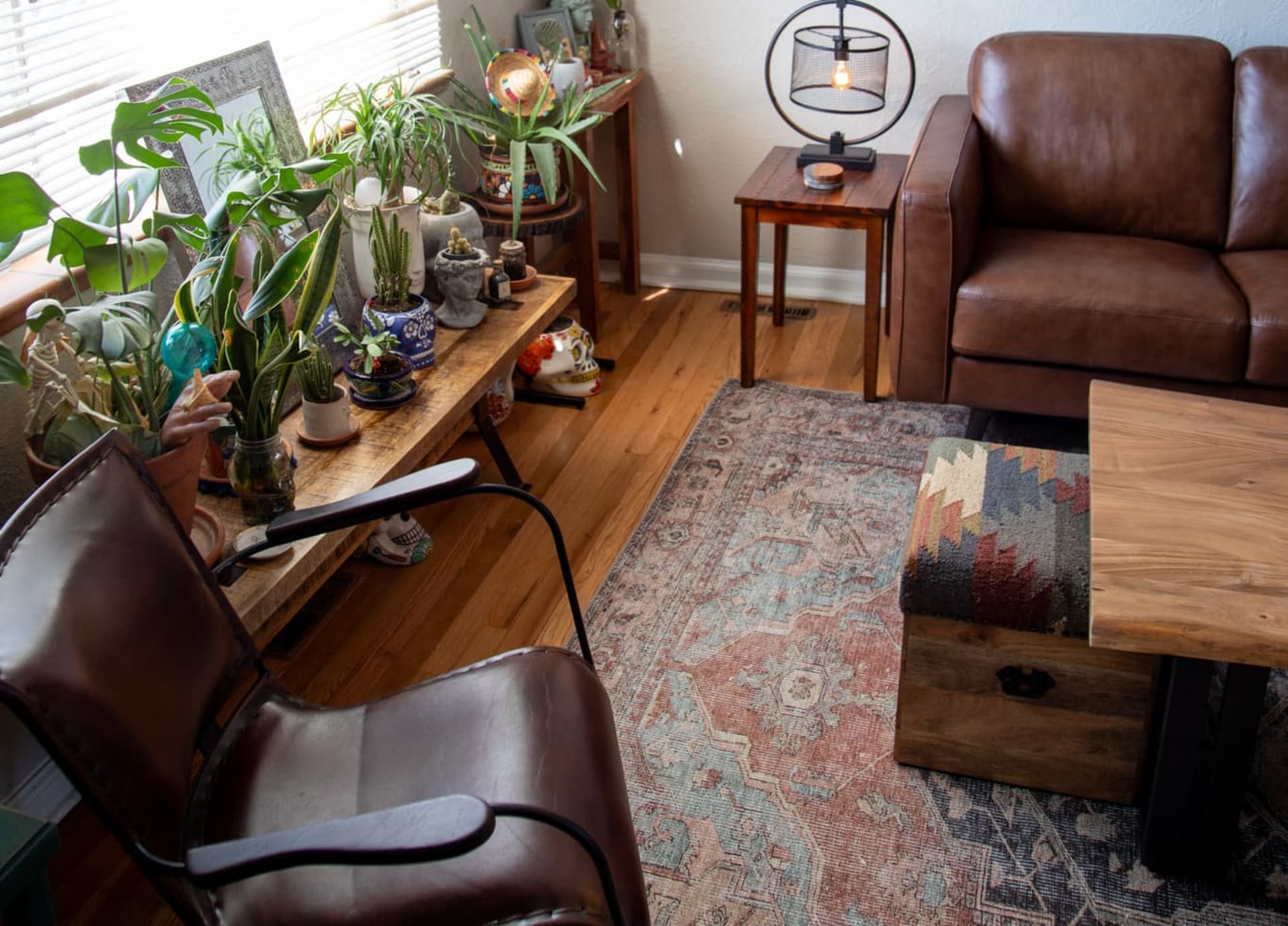
How to Design with Plants at Home
Style indoor plants beautifully with renter-friendly furniture surfaces, vertical displays, and small-space décor ideas.
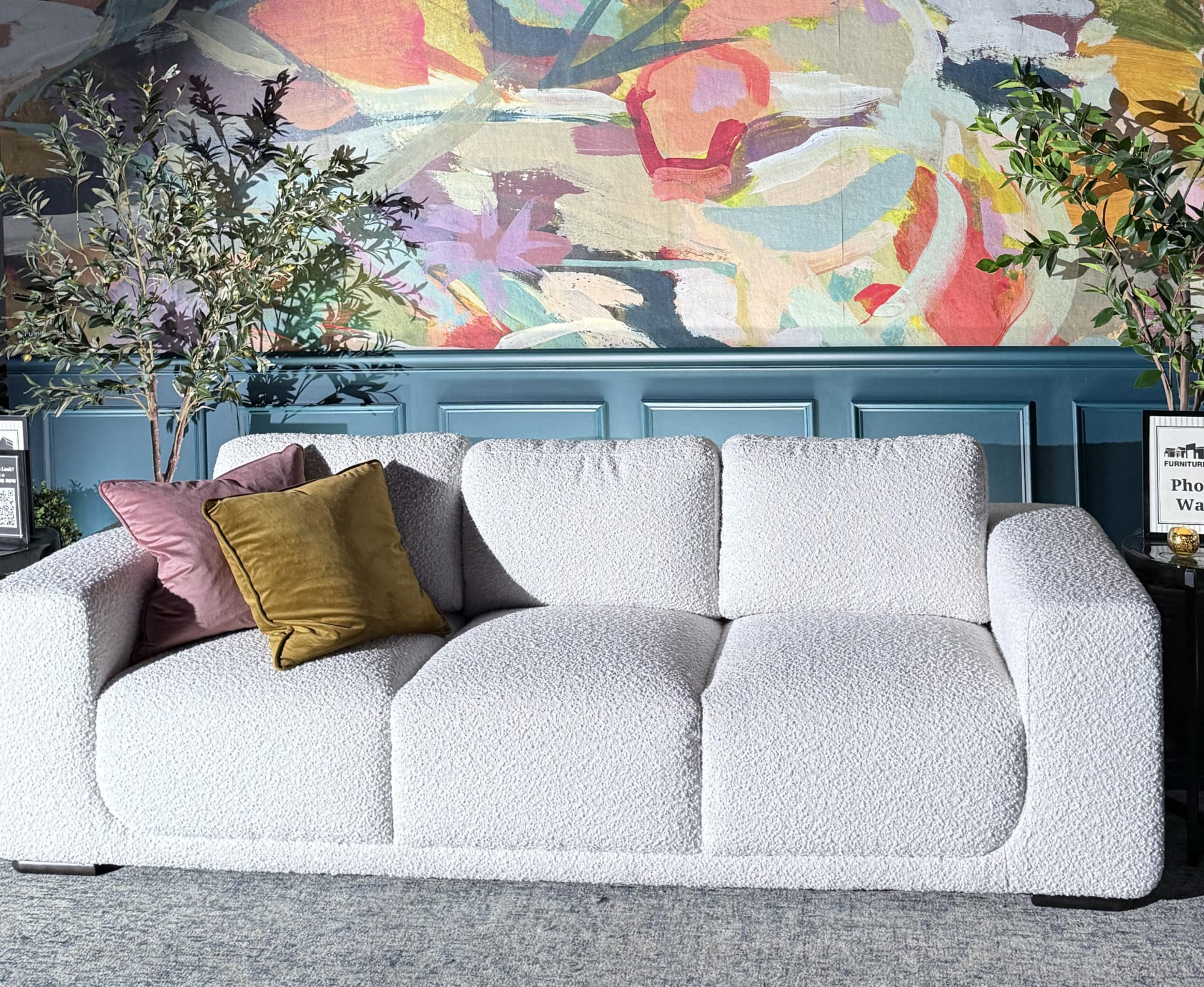
How Your Style Shapes Your Identity
Align your home décor and personal style with furniture, color, and texture that fits.
How to Design Community Spaces
Design welcoming community spaces with durable furniture, cozy seating, natural materials, and intentional style.
How to Design with Plants at Home
Style indoor plants beautifully with renter-friendly furniture surfaces, vertical displays, and small-space décor ideas.
How Your Style Shapes Your Identity
Align your home décor and personal style with furniture, color, and texture that fits.