


How to Mix and Match Furniture Collections Like A Pro
Ever notice how the most inviting rooms feel like they’ve collected stories (and furniture) from all over? This is because swoon-worthy homes today are using a little design mischief—maybe it’s grandma’s velvet chair parked confidently beside a modern, boxy sofa, or a rustic coffee table daring to mingle with sleek metal accents. The mixing of styles isn’t accidental—it’s pure design magic.
The truth? Mixing furniture styles is what gives a room that “oh wow, tell me about this place” energy. Perfectly matched sets have been replaced by spaces with personality, stories, and just the right amount of rebellious spirit. But (plot twist!) while matching is as easy as hitting “add entire collection to cart,” mixing takes a little know-how and a dash of bravery. Ready to toss out the old rulebook and give your space a fresh, collected vibe? Let’s jump in and unlock the secrets to mixing furniture styles like a pro—no matching set required.
1. Start with a Unifying Element
The secret to mixing furniture collections without creating visual chaos is establishing a common thread. This unifying element acts as the glue that holds your eclectic mix together. Consider these anchors:
- Color palette: Choose 3-4 colors that you want to show up throughout your space. For example, repeat a cream, gray, green, or a touch of brass across different pieces, art, and accessories.
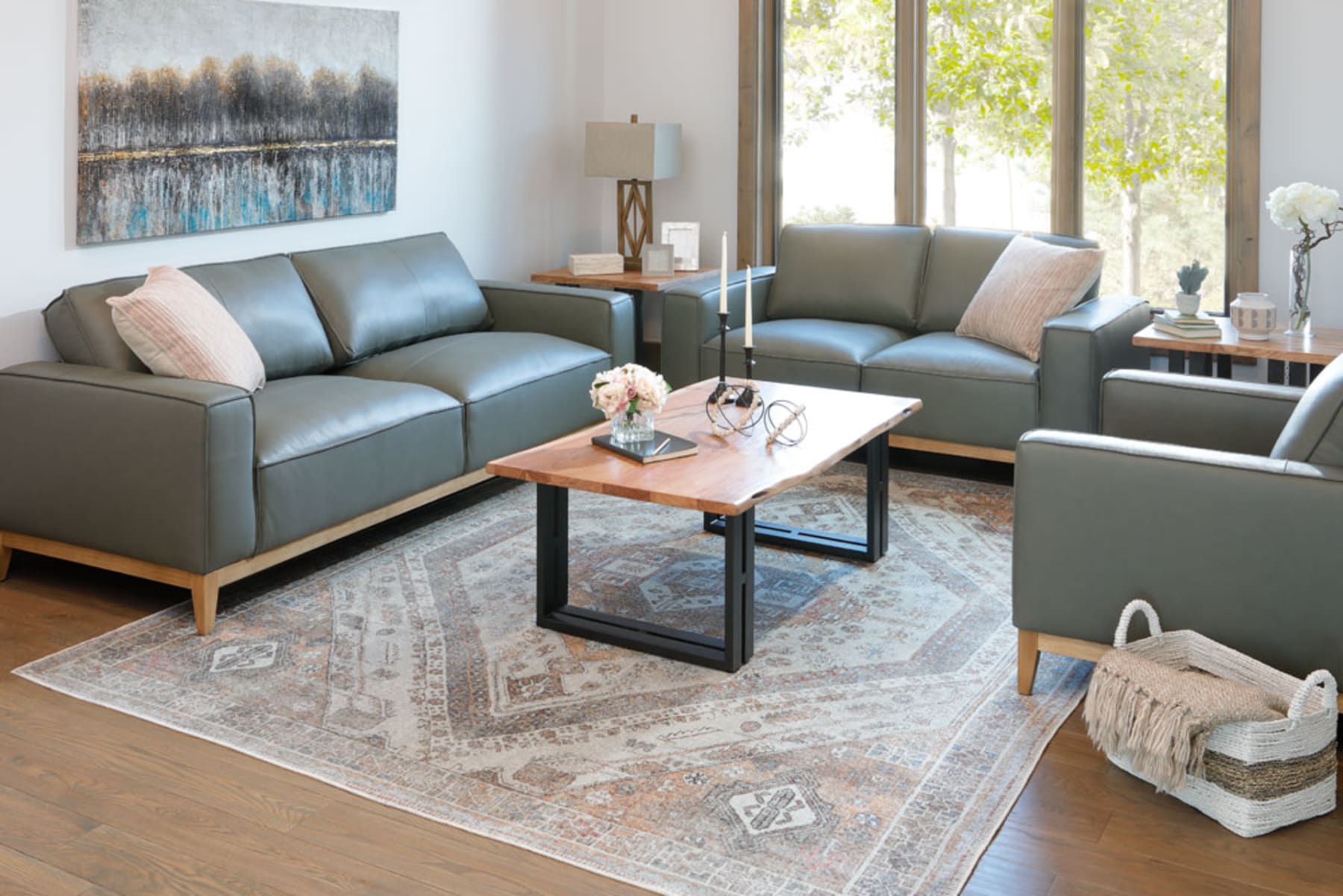
- Material: Echo materials like wood, marble, metal, or textured fabric across multiple items—think a walnut coffee table, leather accent chair with wood feet, and wood-framed mirror.
- Style era: Layer pieces from complementary periods (or periods near one another), such as pairing mid-century modern silhouettes with clean-lined contemporary finds for a fresh yet timeless vibe.
- Scale and proportion: Make sure your furniture pieces share a similar visual weight and height—so your petite side table doesn’t get lost next to an oversized sectional.
- Finish: Repeat matte or glossy finishes on furniture legs, lighting, and hardware for subtle cohesion. For instance, matte black drawer pulls can echo a matte black lamp base.
The 80/20 Rule for Balanced Mixing
Professional designers often follow the 80/20 principle when combining furniture collections. Dedicate 80% of your space to pieces from one dominant style or collection, then introduce 20% from contrasting styles for visual interest. This approach prevents your room from feeling disjointed while still allowing personality to shine through.
- For example, if your living room features primarily Scandinavian-style furniture, a sleek mid-century credenza or ornate vintage mirror becomes a captivating focal point rather than an awkward outlier. The dominant style creates stability, while the accent pieces add depth and character.
2. Play with Contrasts Intentionally
Strategic contrast creates drama and dimension in a space. The key is making these contrasts feel deliberate rather than accidental. Think about pairing opposites in controlled ways
Here are some tips from our experts:
- Pair heavy with light → a substantial wooden dining table with delicate wire-frame chairs creates dynamic tension.
- Combine sleek with textured → a smooth lacquered dresser gains interest when topped with a chunky woven basket or rough ceramic lamp.
- Mix angular with curved → the soft lines of a rounded sofa balance the sharp edges of a geometric bookshelf.
The trick is limiting yourself to one or two types of contrast per room. Too many competing elements will overwhelm the space rather than enhance it.
3. Create Conversation Through Color
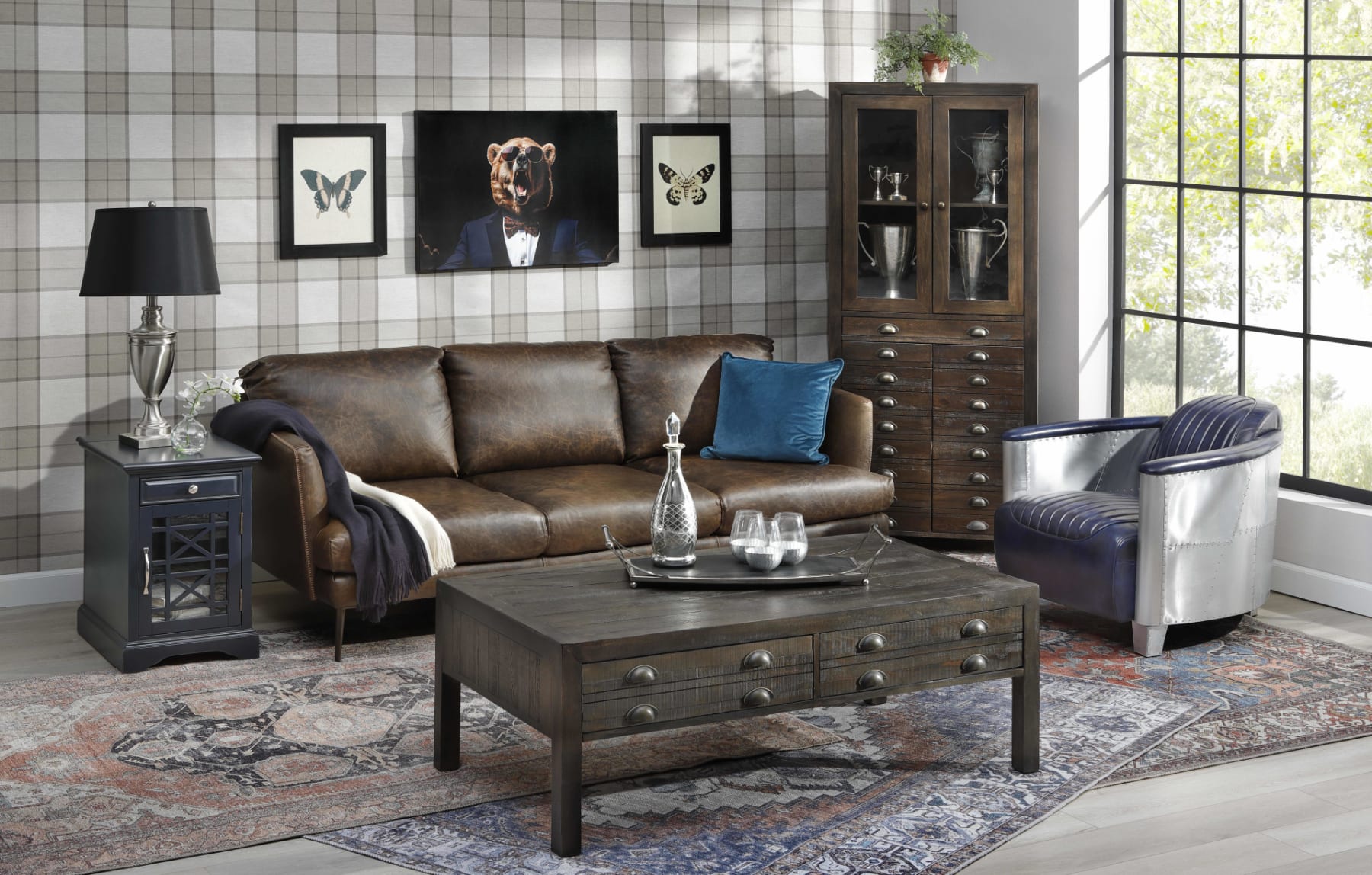
Color is your most powerful tool for bridging different furniture styles. Even pieces from wildly different collections can feel cohesive when they share color connections. This doesn't mean everything needs to be the same color—it means creating an intentional color story.
Try the layered approach:
- Identify your main color(s): Choose 2–3 core colors you love and want to see throughout the space. These will become your “anchors,” no matter the style of each piece.
- Repeat those colors in unexpected ways: Don’t just rely on pillows or wall art—look for ways to echo your chosen colors in furniture finishes, upholstery, lamps, even the legs or hardware on a table or chair. For example, working with deep green in a palette, you might have a green velvet accent chair, a green-glazed vase, and leafy patterns in your rug—even if each item is a totally different style.
- Balance color throughout the room: Make sure your chosen colors appear in at least three different places, and across a mix of large and small items. This could mean a modern navy sofa, a navy-striped throw on a traditional armchair, and navy art frames on the wall.
4. Let Materials and Textiles Tell a Story
Material and textile mixing adds richness and authenticity to your space. Combining different surfaces and fabrics keeps rooms from feeling flat or one-dimensional, but successful mixing requires balance:
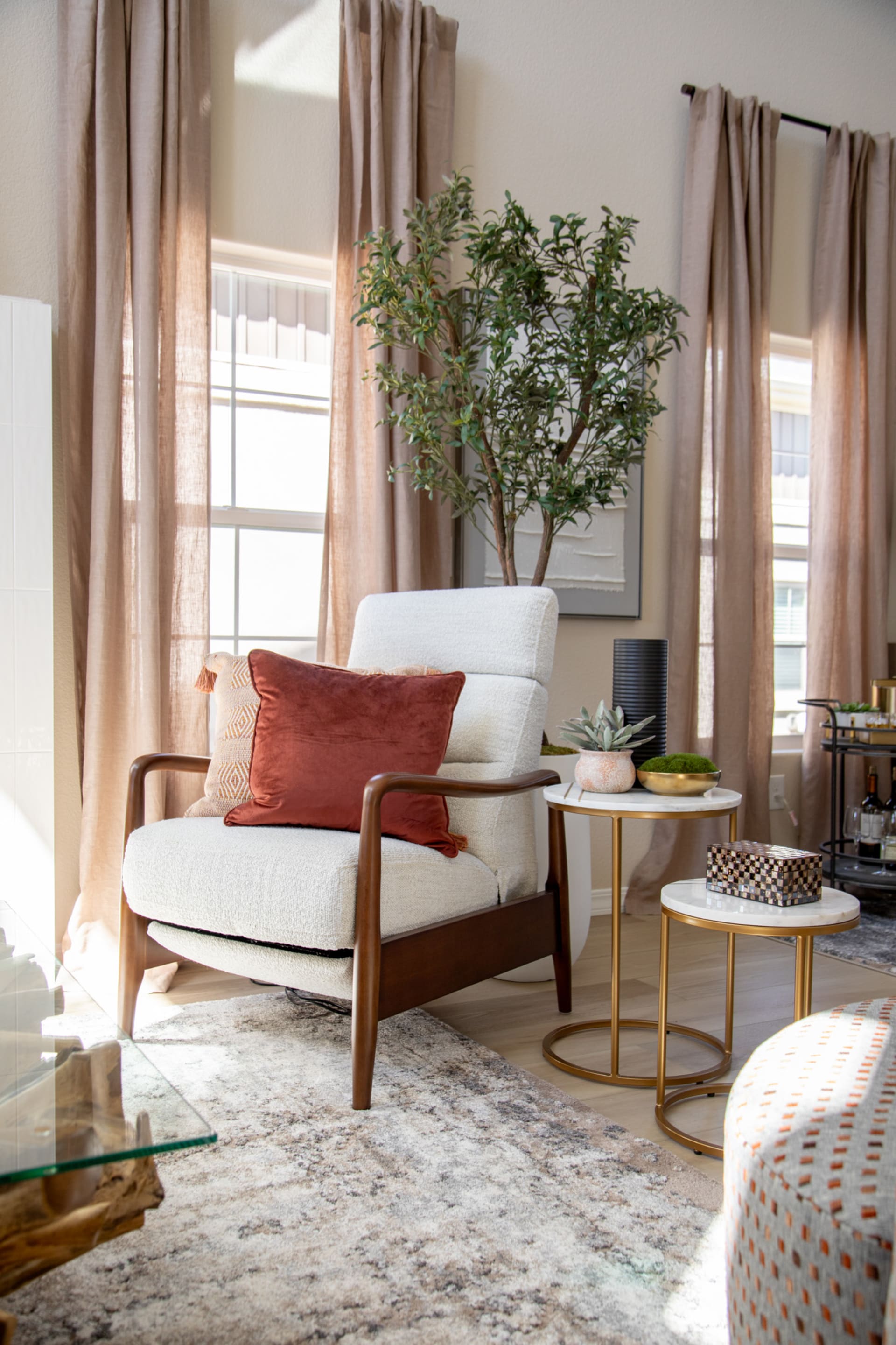
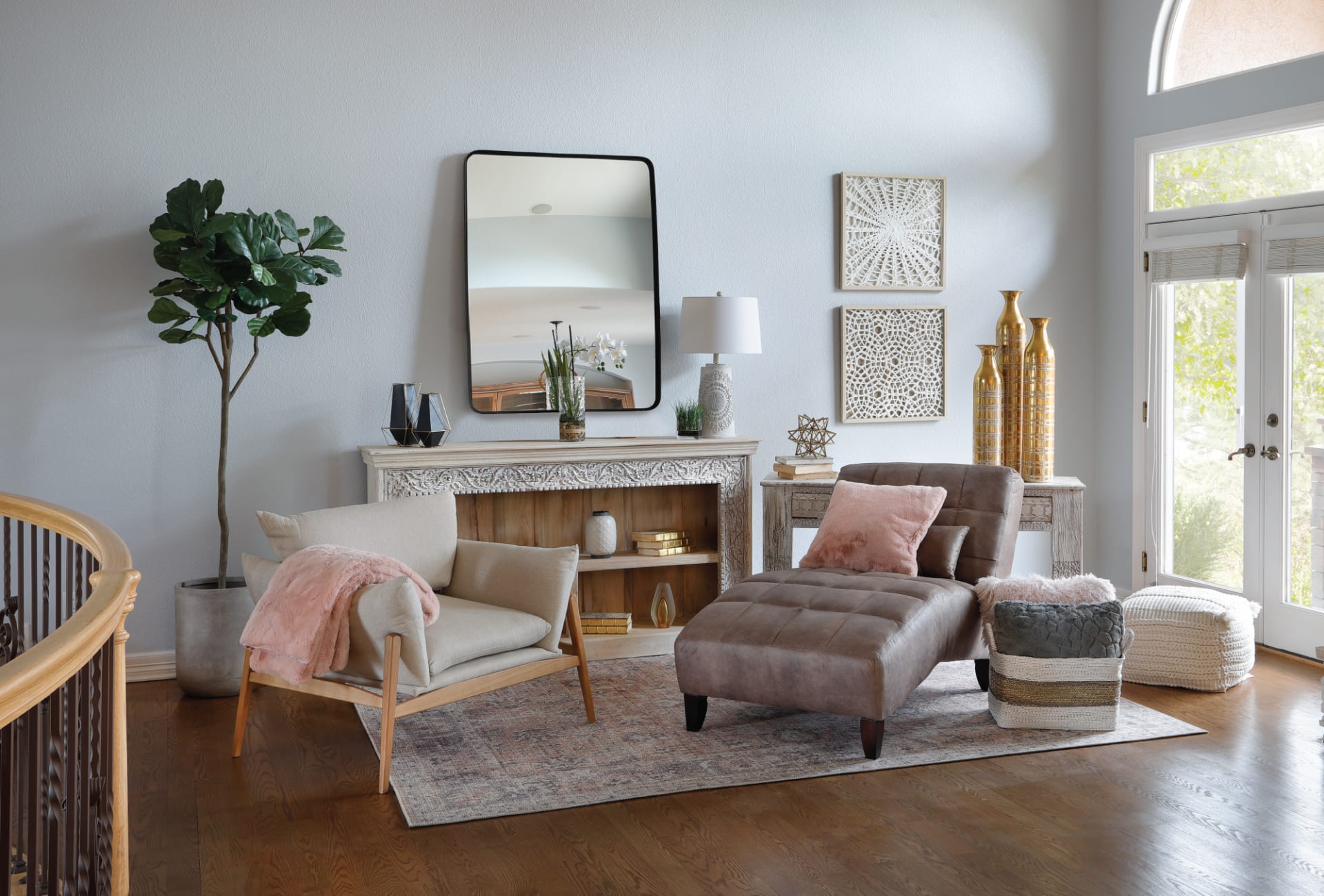
- Stick to 3–4 main materials in each room. Make sure each one appears in more than one spot to create a sense of rhythm and unity throughout your space.
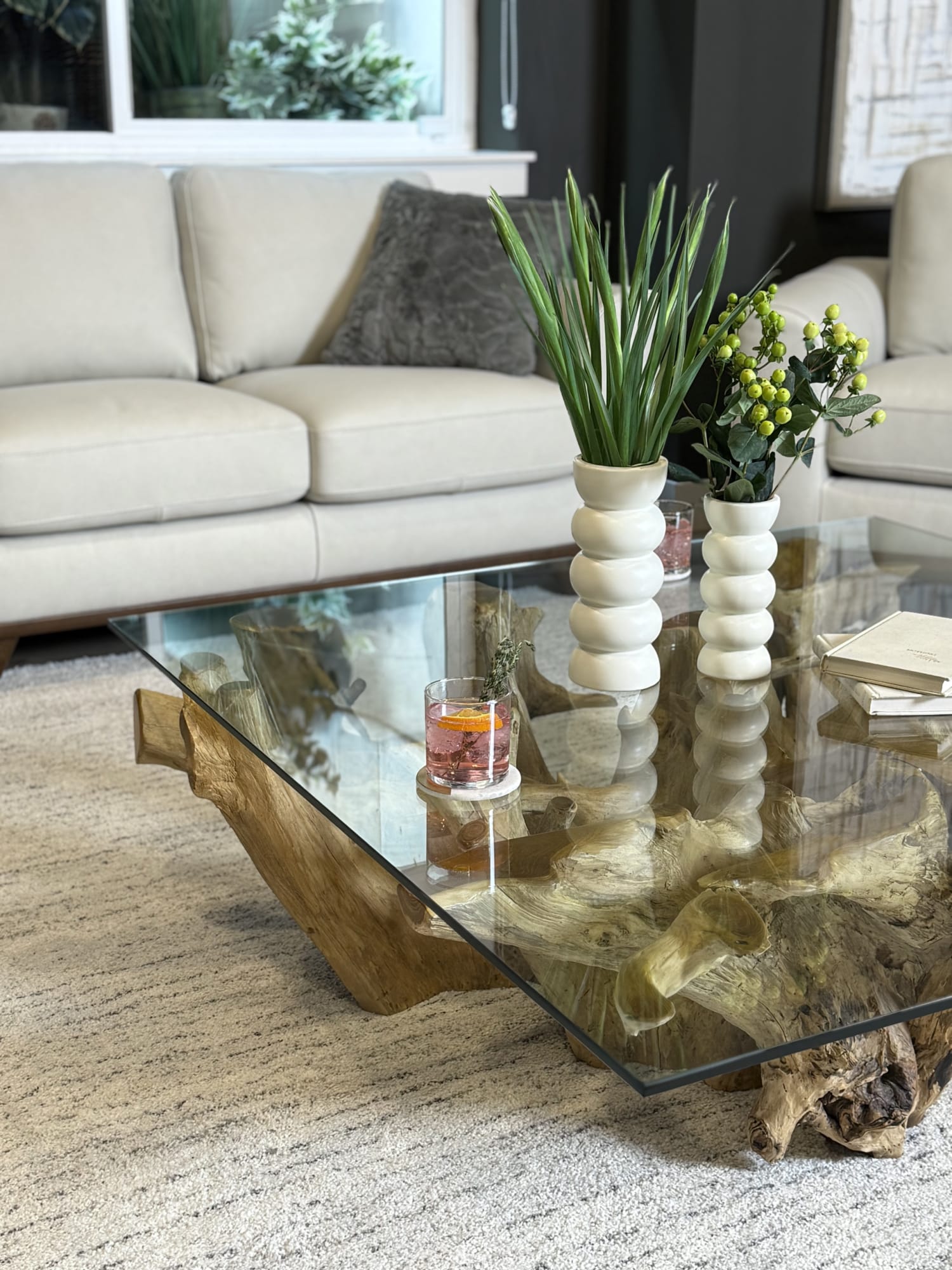
- Consider temperature when you mix: Warm materials like wood, brass, and leather naturally pair well together, just as cool materials like chrome, glass, and marble do. Mixing warm and cool tones can look stunning, but it usually works best when you let one temperature dominate and use the other as an accent.
- Let your materials and textiles connect the dots. Use them to repeat key colors, introduce patterns that suit your style mix, and tie together pieces that otherwise have nothing in common. Rugs, pillows, throws, curtains, and upholstered furniture are all easy ways to blend materials and bring your room’s story to life.
Layering textiles also adds comfort and warmth, softening the hardness of multiple wood, metal, or stone pieces. Our post on layering textures in bedrooms offers excellent tops on combining different fabric weights and patterns to unify mixed furniture styles!
5. Mind the Scale and Proportion
Different furniture collections often feature varying scales, but you can mix them successfully by maintaining visual balance. Think of your room as having high, medium, and low zones. Distribute furniture across these zones regardless of collection origin.
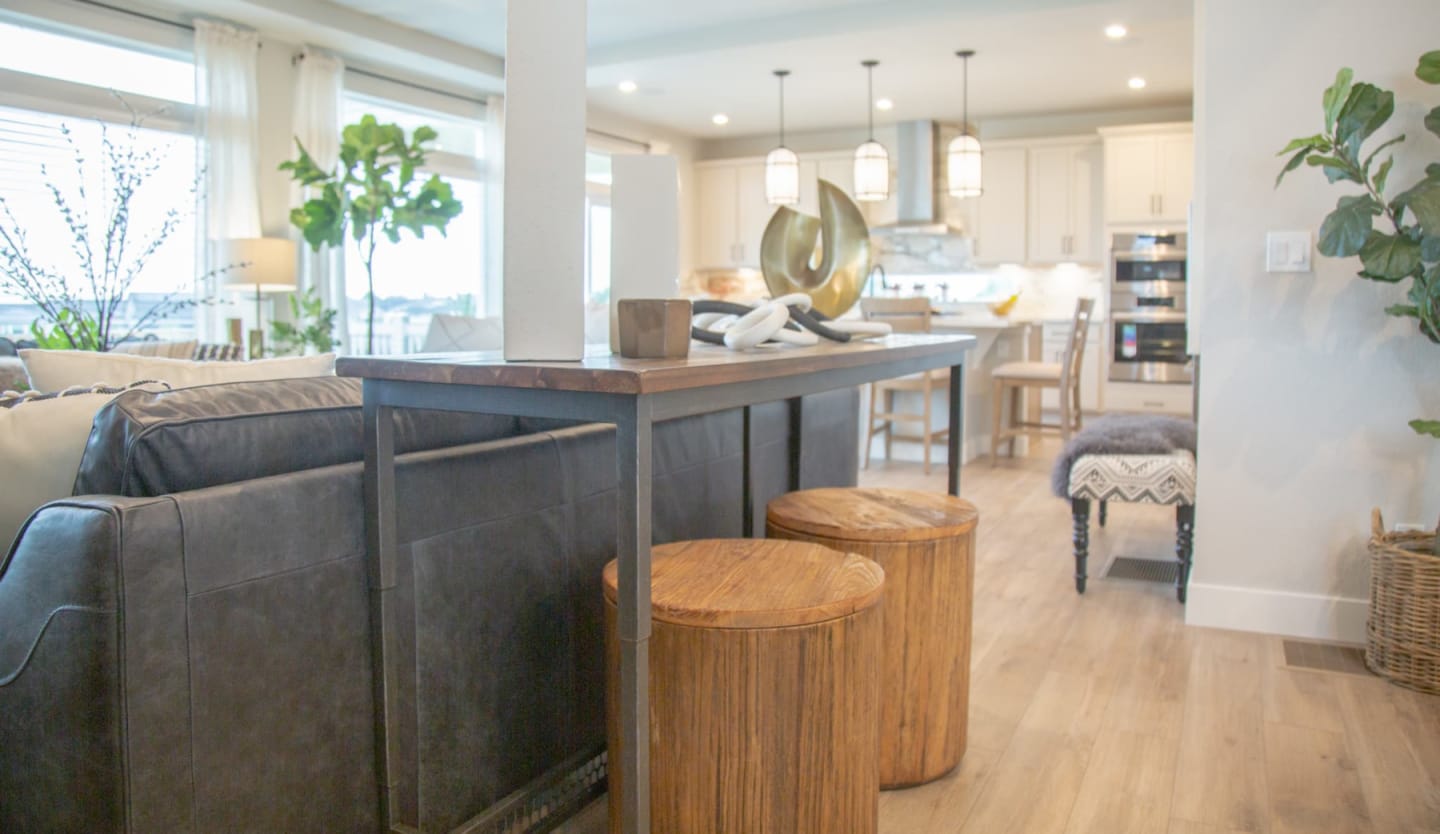
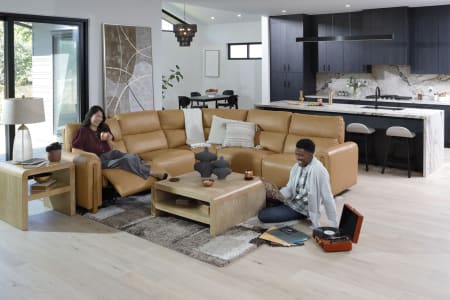
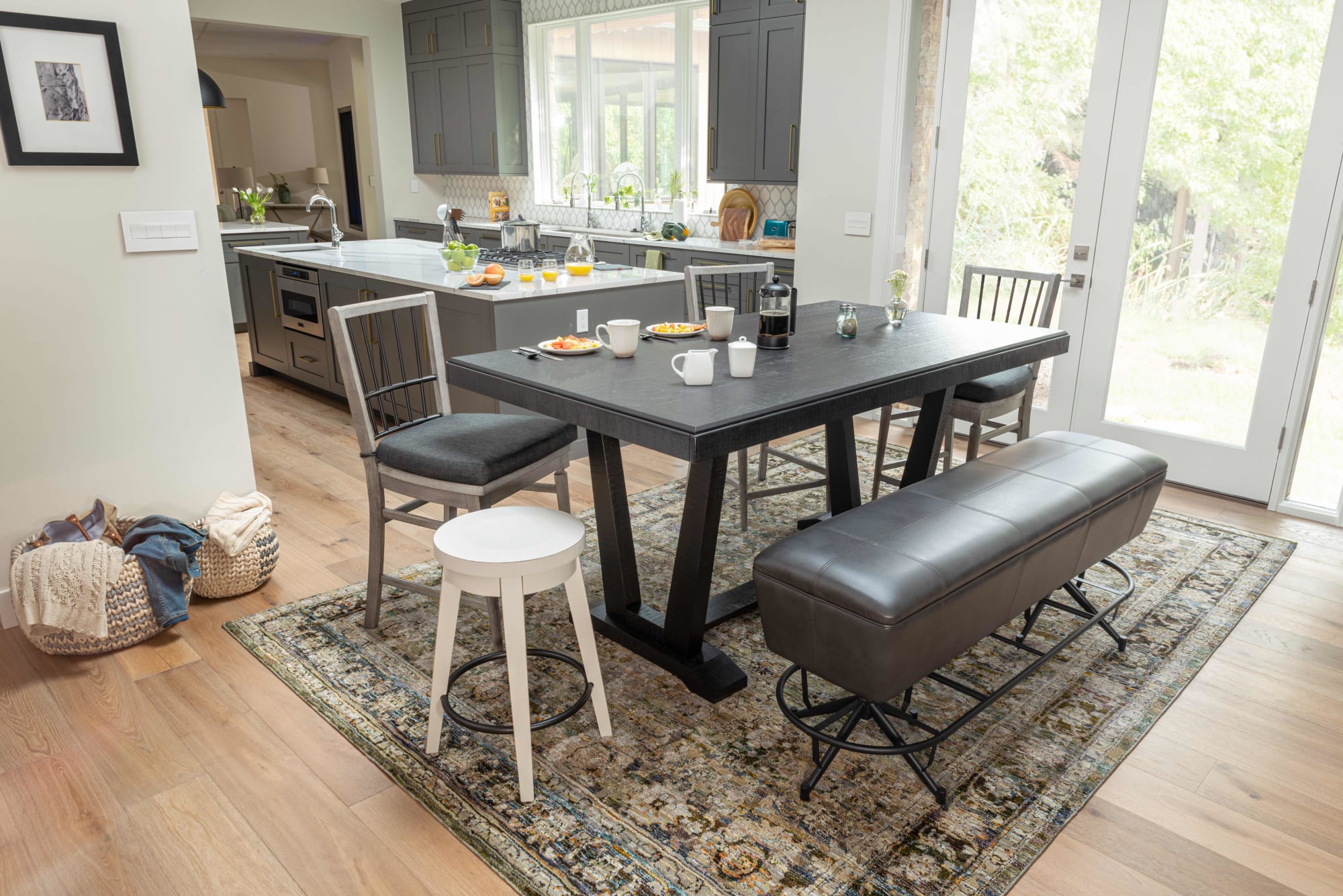
- A low-profile sofa anchors the lounging area and clearly establishes the lowest visual plane, while the slim Wade Sofa Table and tucked-in Round Storage Bins (which function as bar stools) rise gently behind it to add dimension without blocking sight lines.
- Together, these pieces form a deliberate vertical rhythm that feels layered and thoughtful rather than busy, subtly defining distinct zones for relaxing and casual dining within the same open space.
- The key isn’t matching finishes or styles, but choosing pieces whose heights and purposes complement one another, creating balance, flow, and a sense of quiet cohesion.
Other important tips to consider:
- Avoid clustering all your tall pieces on one side of the room and all your low pieces on another—this creates a lopsided feeling.
- Also consider the visual weight of furniture. A delicate glass-and-metal side table balances differently than a chunky wooden one, even if they are the same height. Distribute heavier and lighter pieces throughout the room to maintain equilibrium.
Common Pitfalls to Avoid
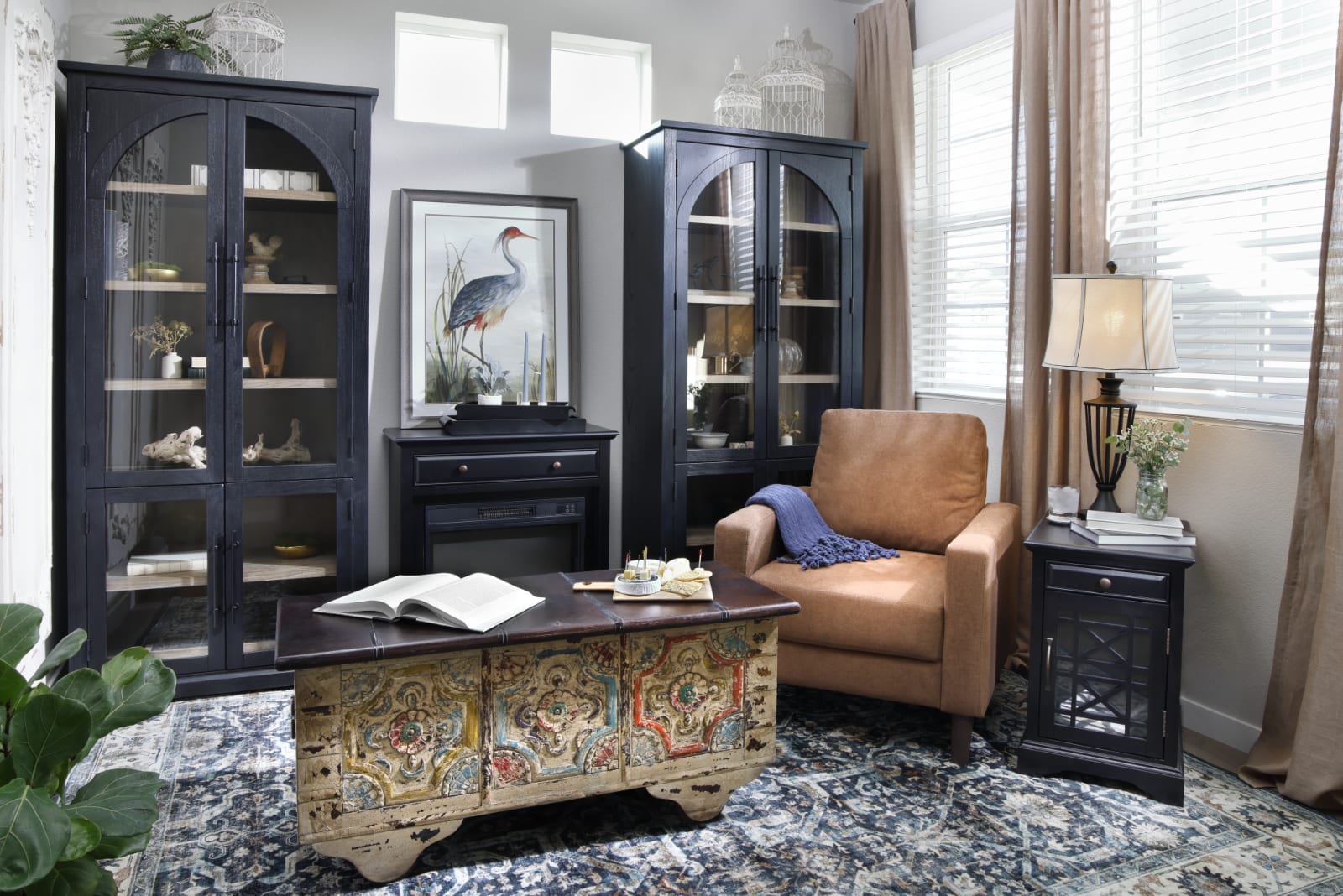
Even with the best intentions, certain mistakes can derail your furniture mixing efforts:
- Over-matching within categories: If all your wood furniture matches exactly but nothing else does, it looks unintentional
- Ignoring scale entirely: Miniature furniture next to oversized pieces rarely works, even with other unifying elements
- Too many competing focal points: When everything demands attention, nothing gets it
- Forgetting negative space: Mixed furniture needs breathing room to be appreciated individually
- Dismissing functionality: A beautifully mixed room that doesn't serve your lifestyle needs will never feel right
Create Your Own Style
Mixing furniture collections transforms your home from showroom-perfect to authentically yours. The beauty of this approach lies in its flexibility—there's no single right answer, only what works for your space and style. Start with one room, implement these principles, and watch as your furniture pieces begin speaking to each other in surprising and delightful ways. The result? A home that tells your unique story while maintaining the sophisticated cohesion that makes a space feel professionally designed.
Ideas & Inspiration
Go to the Blog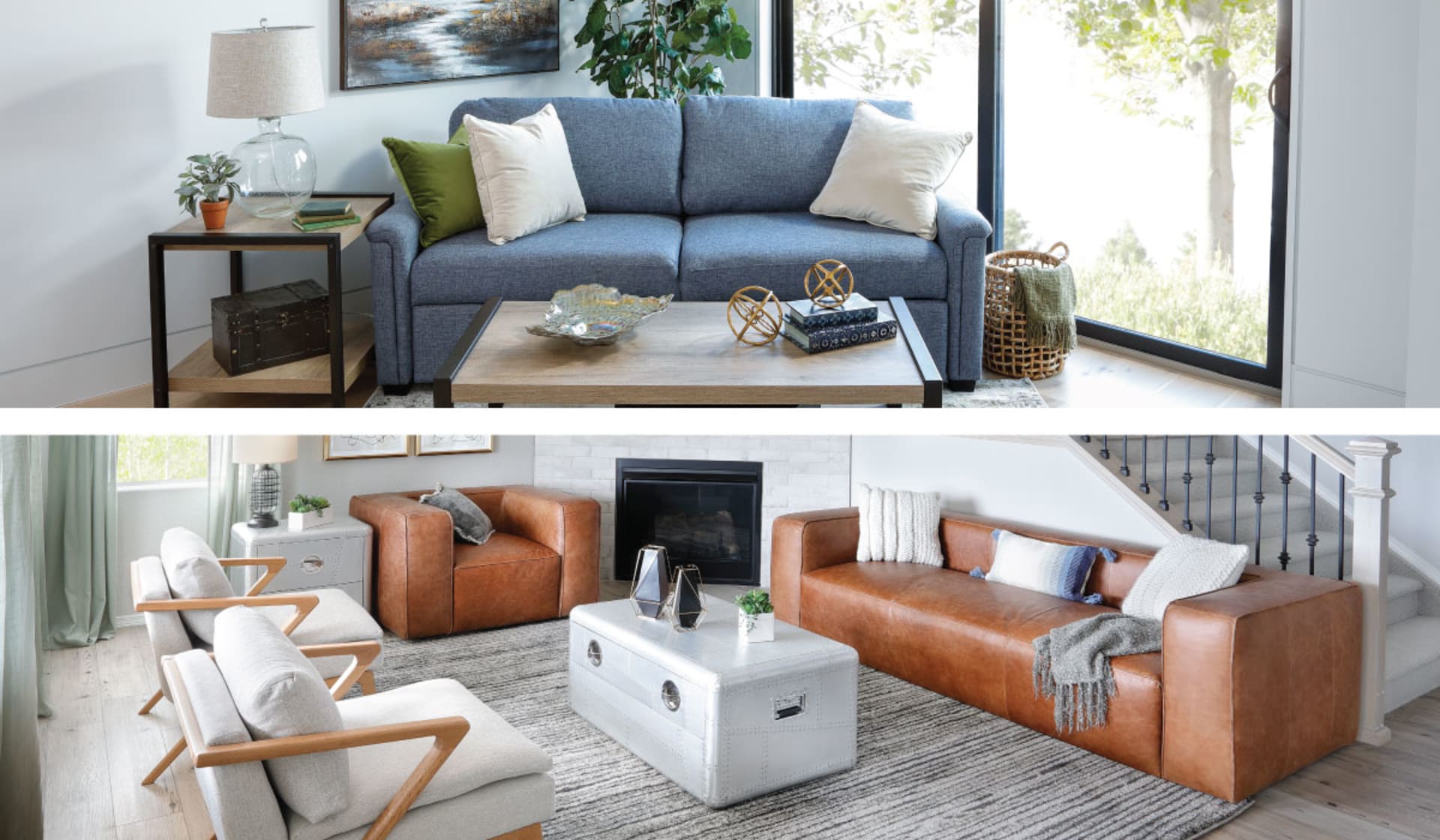
Style Guide: Contemporary vs. Modern
Learn the real difference between Contemporary and Modern style, with clear examples and Furniture Row favorites to help you choose your perfect look.
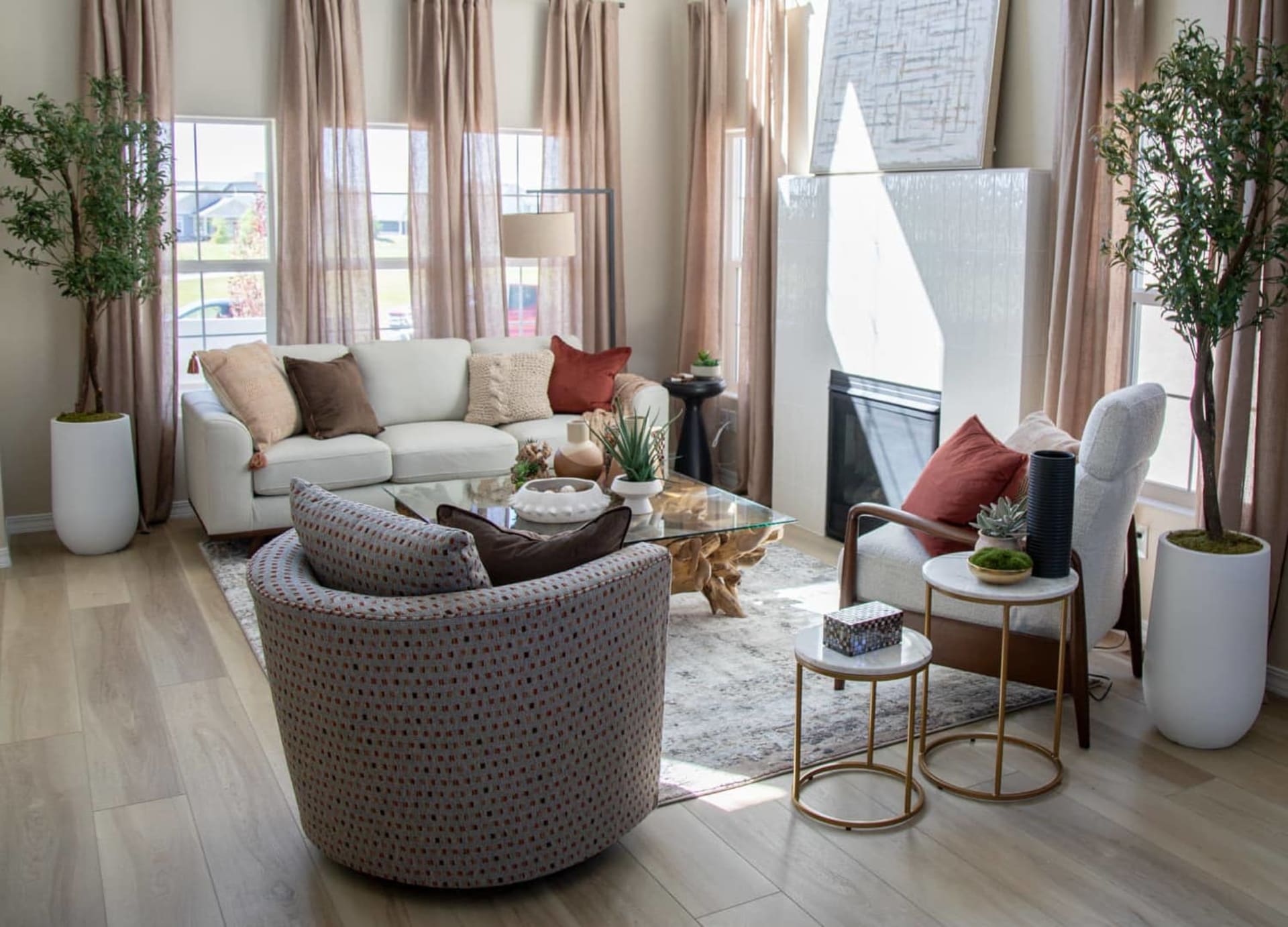
Style Guide: Organic Modern
Create a calm, nature-inspired home with Organic Modern style—clean-lined furniture, earthy textures, and neutral colors that feel both sophisticated and cozy.

Living Room Layout Guide
Design the perfect living room layout with four easy setups—conversational, family, multifunctional, and activity-based—to maximize comfort, flow, and style.
Style Guide: Contemporary vs. Modern
Learn the real difference between Contemporary and Modern style, with clear examples and Furniture Row favorites to help you choose your perfect look.
Style Guide: Organic Modern
Create a calm, nature-inspired home with Organic Modern style—clean-lined furniture, earthy textures, and neutral colors that feel both sophisticated and cozy.
Living Room Layout Guide
Design the perfect living room layout with four easy setups—conversational, family, multifunctional, and activity-based—to maximize comfort, flow, and style.