


How to Buy a Quality Rug (Without Getting Ripped Off)
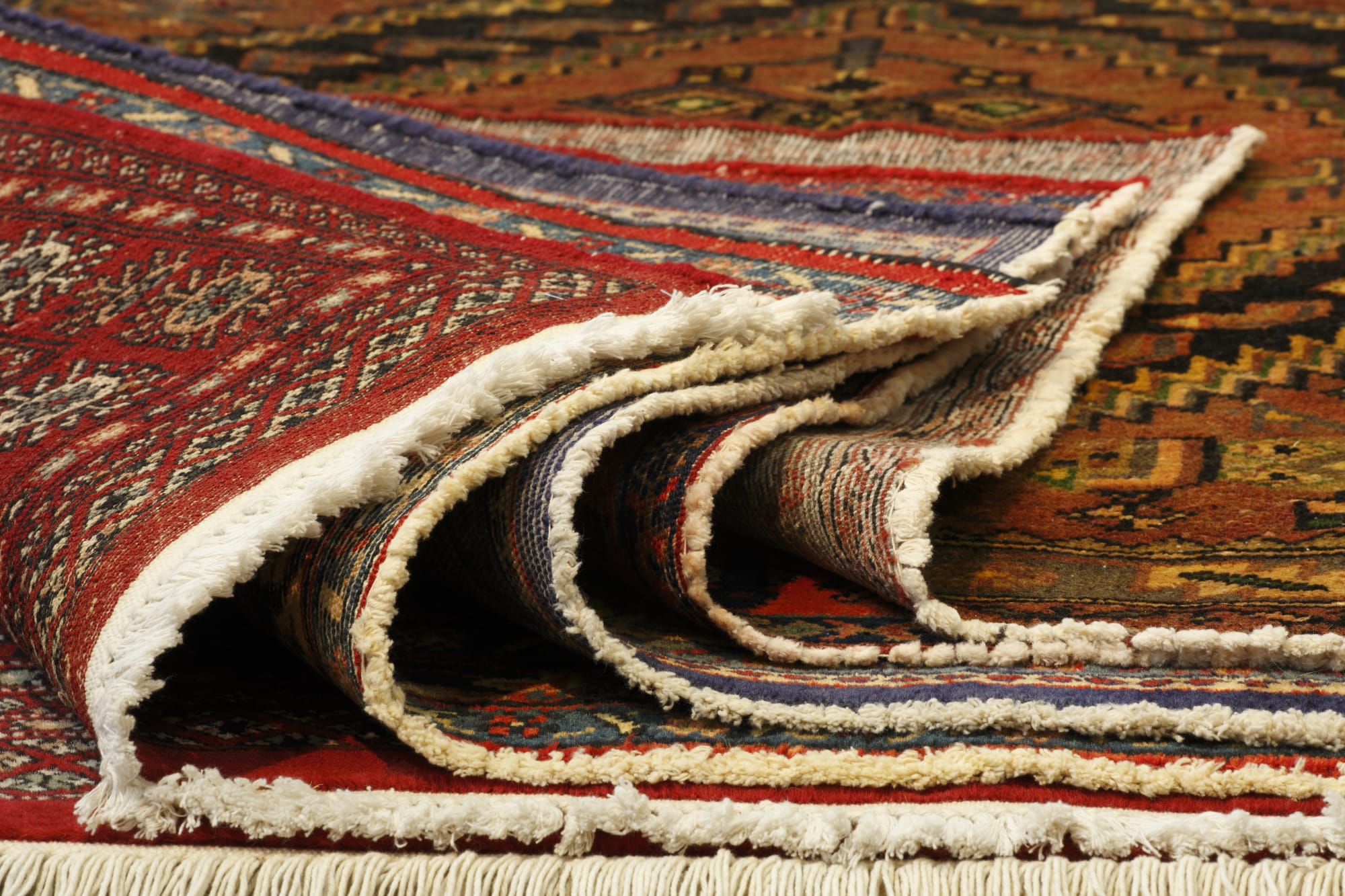
Walk into a rug shop and you will hear a language all its own: pile, backing, solution-dyed, washable, hand-knotted. It can sound intimidating, but choosing a quality rug does not require memorizing every technical term.
Once you know what to look for, it is much easier to find a rug that fits your style, space, and everyday routine.
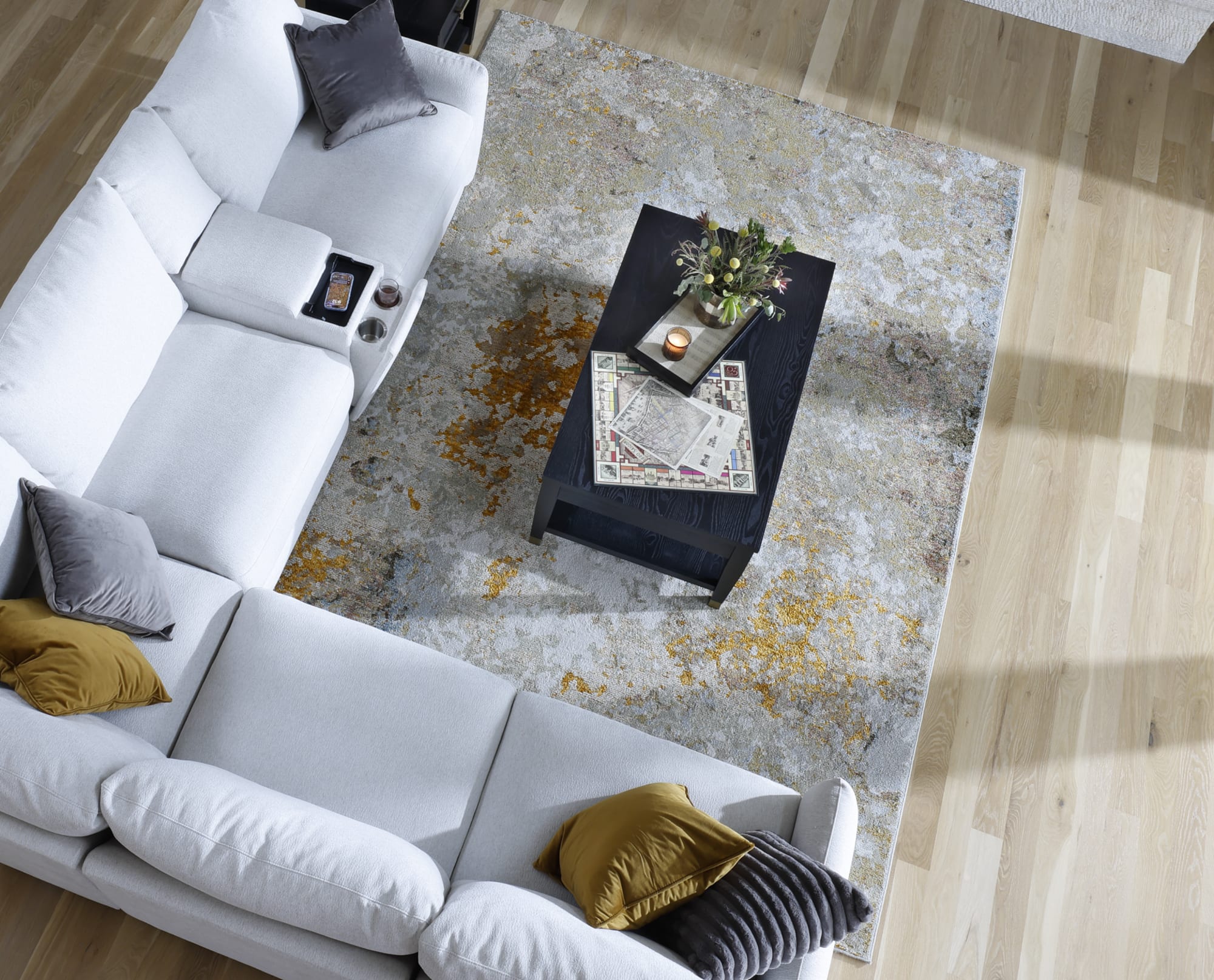
Learn the Basic Rug Vocabulary
Before you can judge quality, it helps to know a few common rug terms.
- Construction: How a rug is made. Common constructions include machine-made, hand-tufted, hand-knotted, and flatwoven. Construction affects a rug’s look, feel, thickness, price, and care needs.
- Pile: The visible surface of yarn that gives many rugs their texture and feel underfoot.
- Low-pile rugs: These styles lie flatter, fit more easily under doors, and tend to be easier to vacuum.
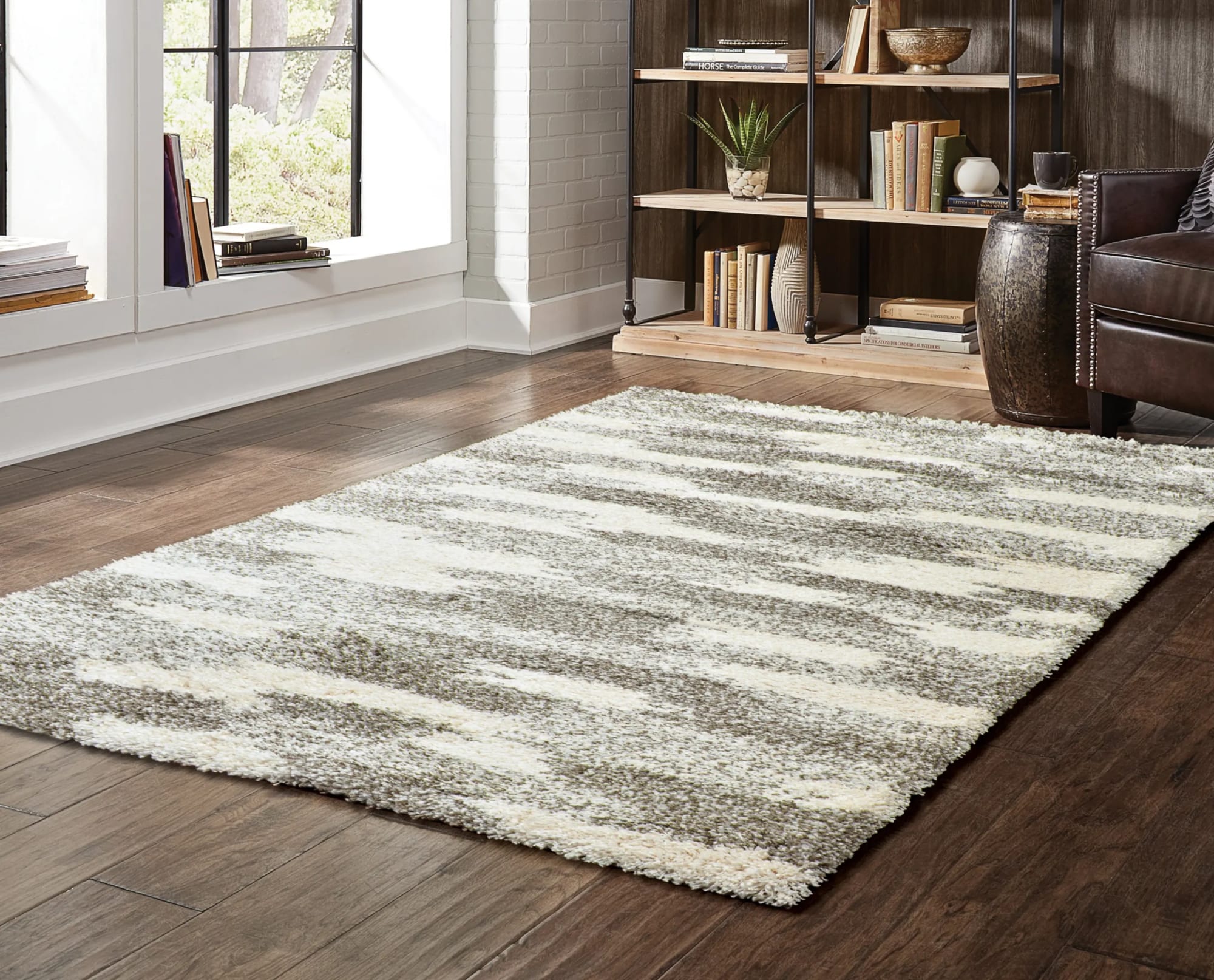
- High-pile or shag rugs: These have more height and a softer, plusher feel, but may need more attention when cleaning.
- Knot: An individual tied unit used to build a hand-knotted rug. This term does not apply in the same way to machine-made or hand-tufted rugs.
- Binding: The finished edge around a rug’s perimeter. Binding helps prevent fraying and gives the rug a clean, polished look.
Start With Construction
A quality rug is not defined by one number. The most useful way to evaluate a rug is to first consider its construction, then look at its material, finish, texture, and care requirements.
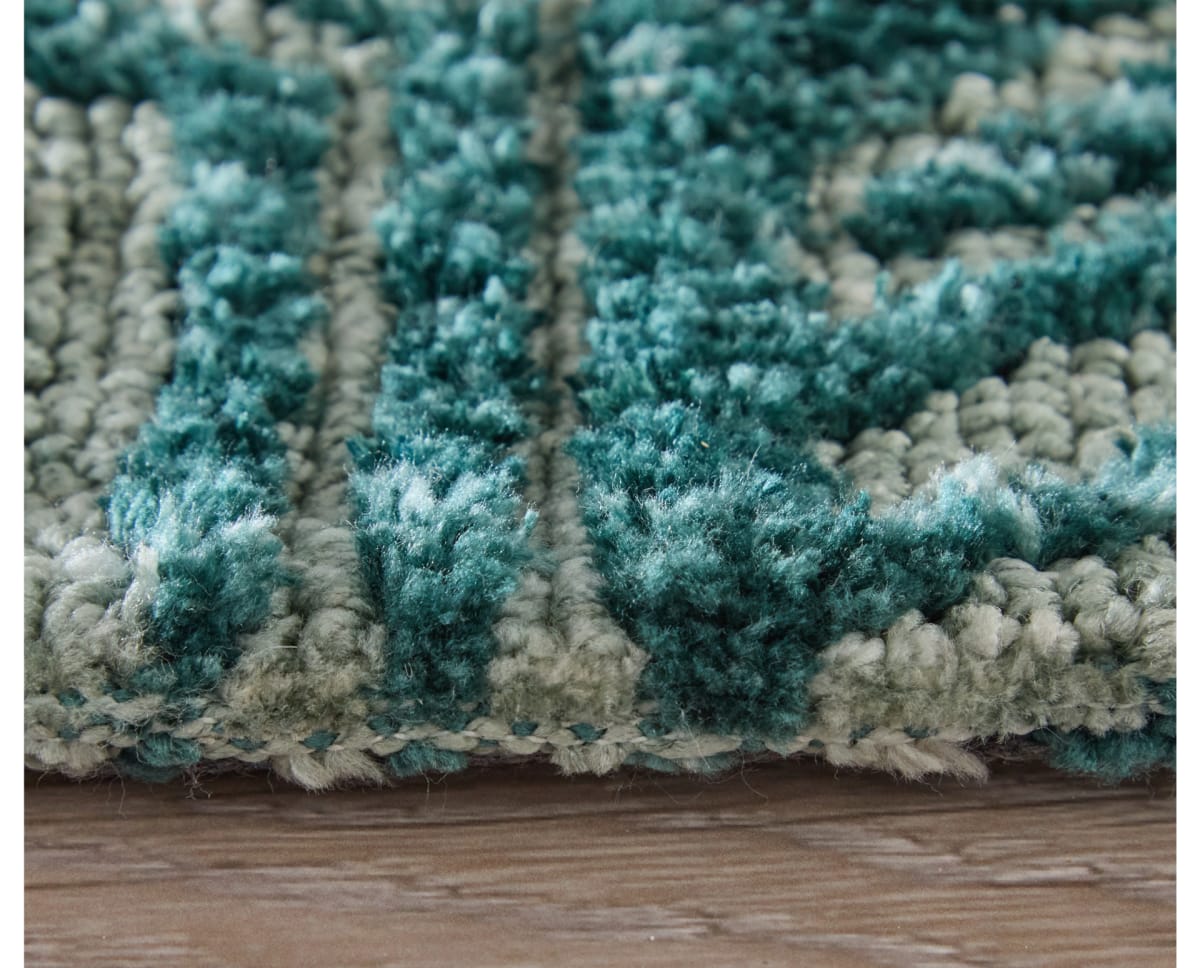
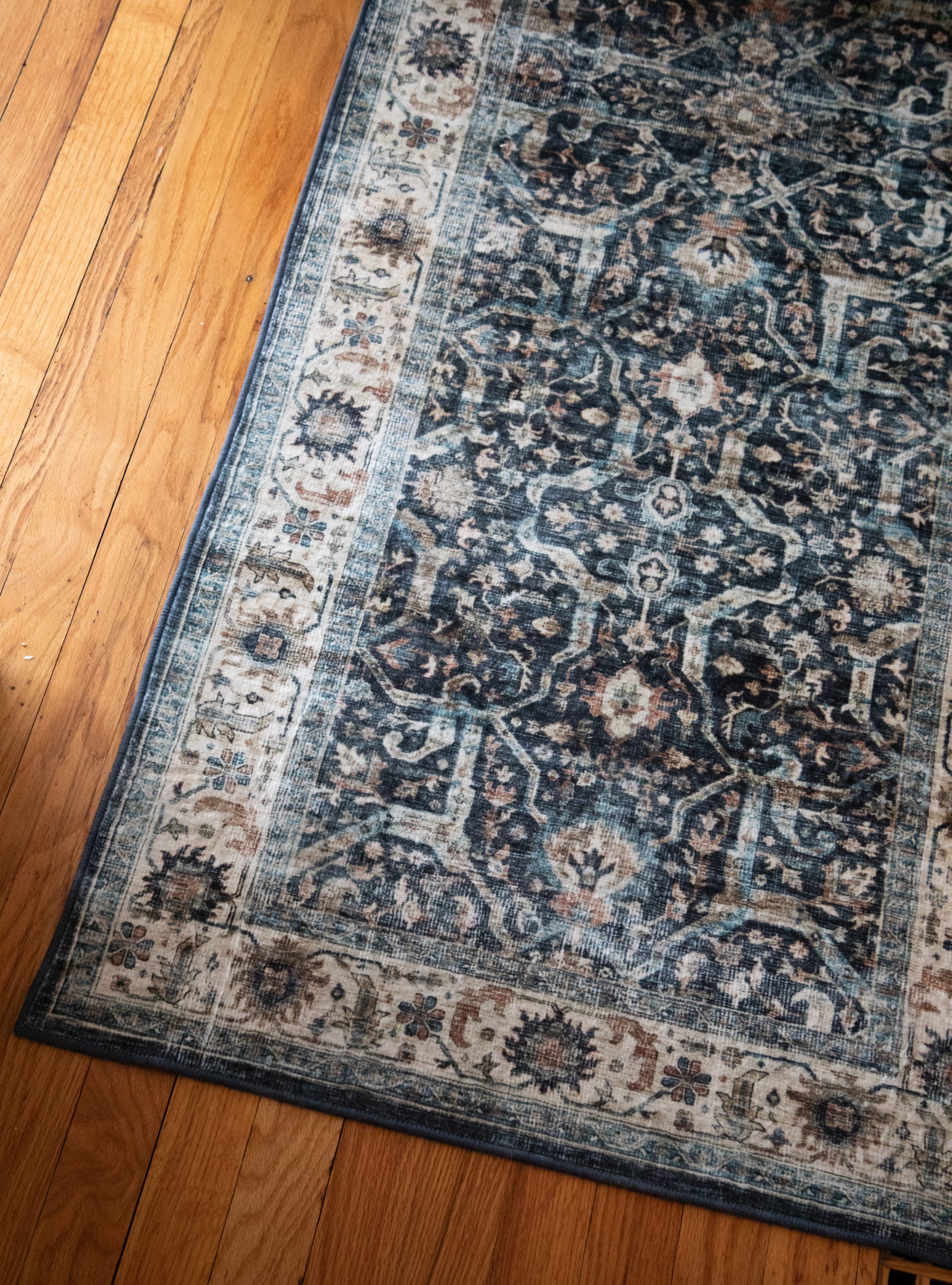
- Machine-made rugs are a practical choice for many homes. They offer a wide range of colors, patterns, pile heights, and price points.
- Hand-knotted rugs are made by tying individual knots onto a foundation.
- Hand-tufted rugs have a handmade surface created by pushing yarn through a backing.
- Flatwoven rugs are made by interlacing fibers to create a thin, low-profile surface without a raised pile.
Each construction has different strengths, so compare rugs within their own category rather than expecting one universal quality standard.
Choose Materials That Fit Your Home
The right rug material depends on where the rug will live and how you use the room.
Common Rug Materials
Polypropylene
- Feel & Durability - Lightweight, practical, and commonly used in easy-care rugs. It is known for strong resistance to fading and moisture.
- Typical Price Tier - Budget-friendly to mid-range.
Polyester
- Feel & Durability - Soft to the touch and well suited to richly colored patterns. Polyester rugs are a popular option for bedrooms, living rooms, and spaces where comfort matters.
- Typical Price Tier - Budget-friendly to mid-range.
Cotton
- Feel & Durability - Soft, lightweight, and casual. Cotton is commonly used in flatwoven styles, and some lightweight cotton rugs are machine-washable.
- Typical Price Tier - Budget-friendly.
Silk and Other Materials
- Feel & Durability - Silk is exceptionally soft and lustrous, but it’s best suited to lower-traffic spaces and careful maintenance. Other materials and blends can offer different textures, price points, and care needs.
- Typical Price Tier - Varies. Genuine silk is generally premium, while other specialty materials range more widely in price.
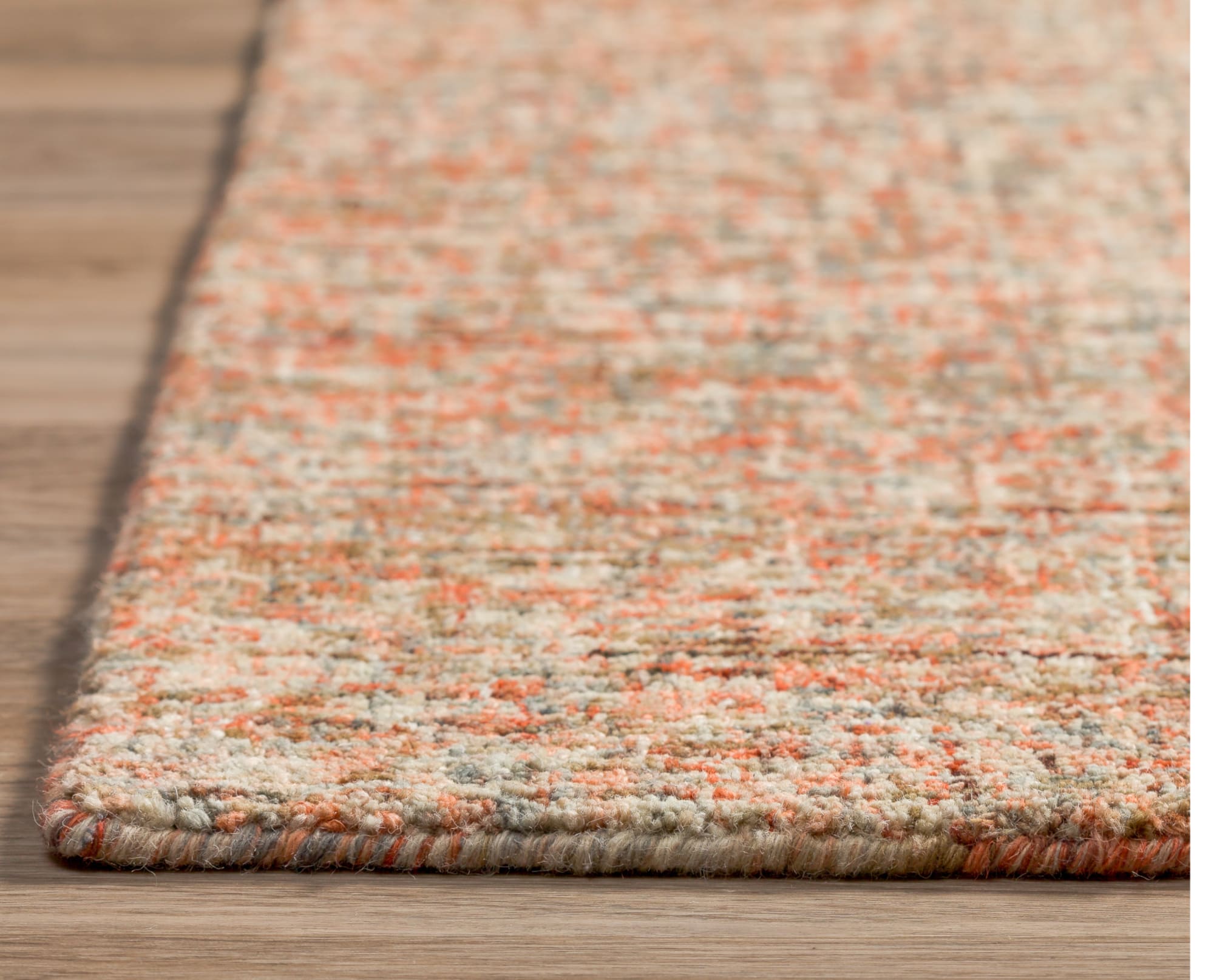
No matter the fiber, inspect the rug’s surface and edges. Look for consistent pile or weave, neatly finished binding, a backing that feels appropriate for the rug’s construction, and a rug that lies flat in the space where you plan to use it.
A Small Note on Color and Care
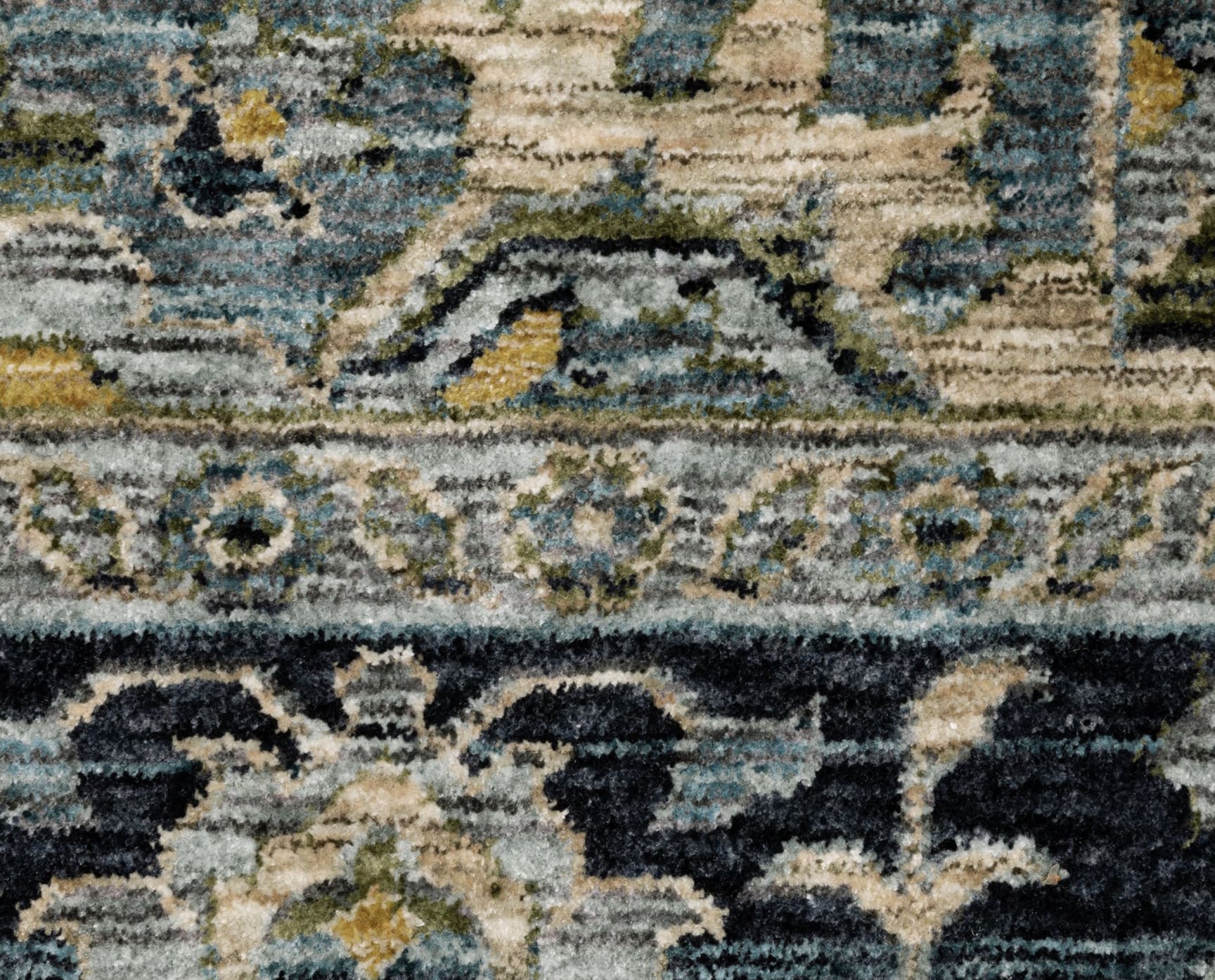
If a rug is labeled solution-dyed, that can be a helpful detail for rooms with strong sunlight or frequent use. In solution-dyed synthetic fibers, color is added before the fiber is formed, which can improve color consistency and fade resistance.
*However, dye method is only one part of a rug’s performance. Always follow the care label, clean spills promptly, and choose a rug designed for the room where it will be used.
When to Consider a Machine-Washable Rug
Sometimes the best rug decision comes down to easy care. A machine-washable rug can be an especially practical choice for entryways, kitchens, kids’ rooms, pet-friendly spaces, and other areas where everyday messes are part of life.
Consider a washable rug if you want:
- Easy cleanup: A washable rug can make routine care and spill cleanup more manageable.
- A practical fit for busy spaces: Lower-profile washable styles can work well in rooms that see frequent foot traffic or need easy door clearance.
- Flexible style: Washable rugs make it easier to refresh a high-use space without committing to a more delicate option.

Quick Checklist for Rug Shopping
Before you commit to a rug, run through this short list:
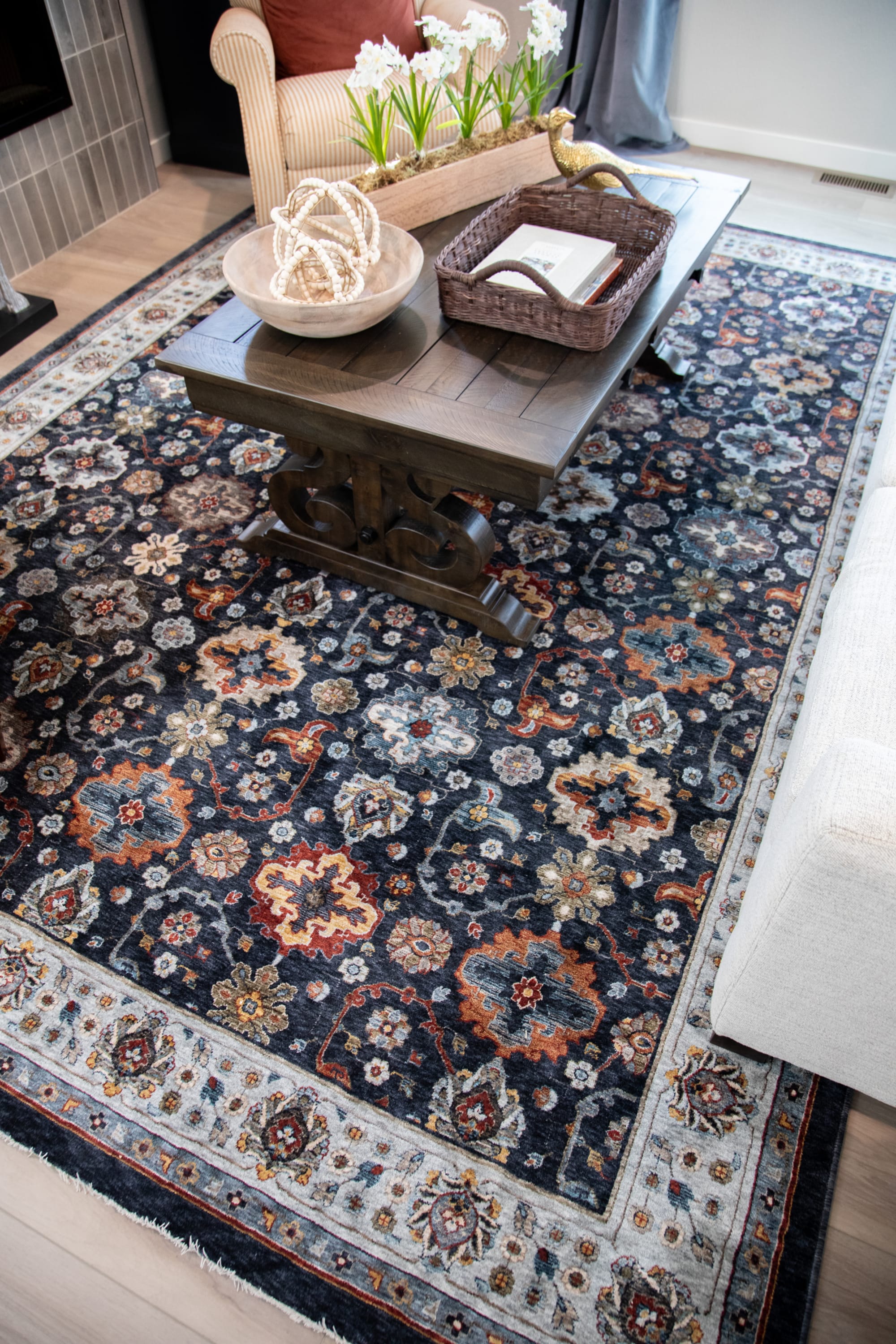
- Start with the room. Consider foot traffic, pets, kids, sunlight, door clearance, and how much maintenance you want to take on.
- Check the construction. Machine-made, hand-tufted, hand-knotted, flatwoven, and machine-washable rugs each have different strengths.
- Choose the right material.
- Synthetic fibers such as polypropylene and polyester are popular for their easy-care appeal, softness, and wide range of styles.
- Natural materials, including cotton and silk, can offer distinctive texture and feel but may come with different care needs and price points.
- Look closely at the finish. Check for a consistent surface, neatly finished edges, secure backing, and a rug that lies flat.
- Think about pile height. Low-pile rugs can be practical for busy areas, while higher piles create a softer feel in lower-traffic spaces.
- Read the care instructions. Confirm whether the rug should be spot-cleaned, professionally cleaned, or is specifically labeled machine-washable.
- Use knot count only where it applies. KPSI can be useful when comparing hand-knotted rugs, but it is not a quality measure for most machine-made or washable rugs.
- Keep price in context. A quality rug is one that is well-made for its construction type and fits the demands of your home.
Watch the Seated episode!
Want more rug advice straight from the source? Check out the Seated Podcast episode on how to buy a quality rug, where hosts Barb and Jessa sit down to demystify rug shopping from the ground up!
The Right Way To Find A Rug
Buying a quality rug is not about memorizing every term in the rug-shop glossary. It is about knowing which details will affect the way a rug looks, feels, and performs in your home.
Check the construction, fiber, pile height, finishing, and care instructions, then choose the option that fits your space and everyday routine.
More From Our Blog
Go to the Blog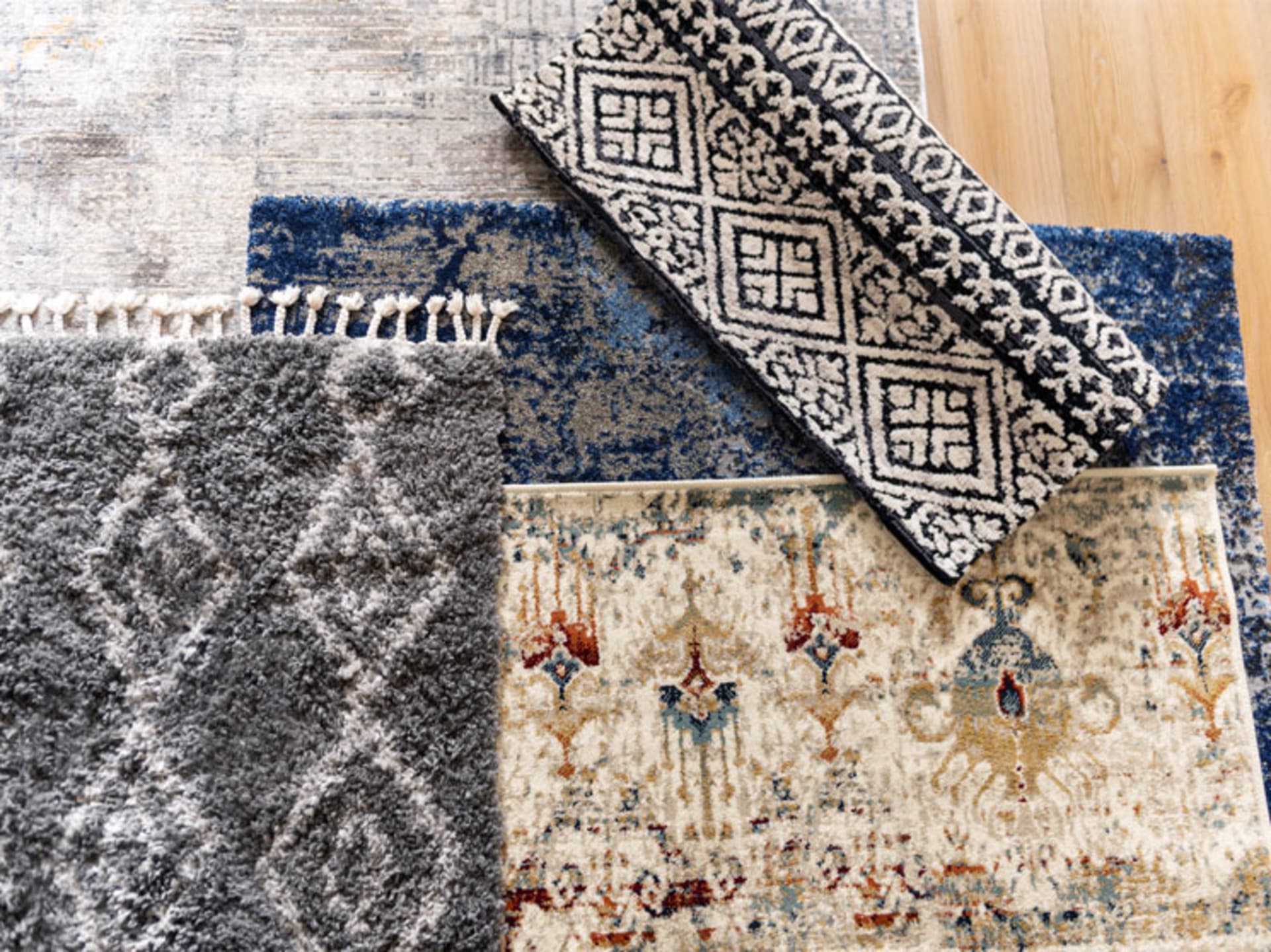
Rug Size and Placement Guide
Master area rug size and placement with easy dos and don’ts for living rooms, dining rooms, and bedrooms, plus pro tips for layering.
How To Style Your Sofa with Throw Pillows
Learn to style your sofa with throw pillows using balanced colors, textures, and eye-catching arrangements.
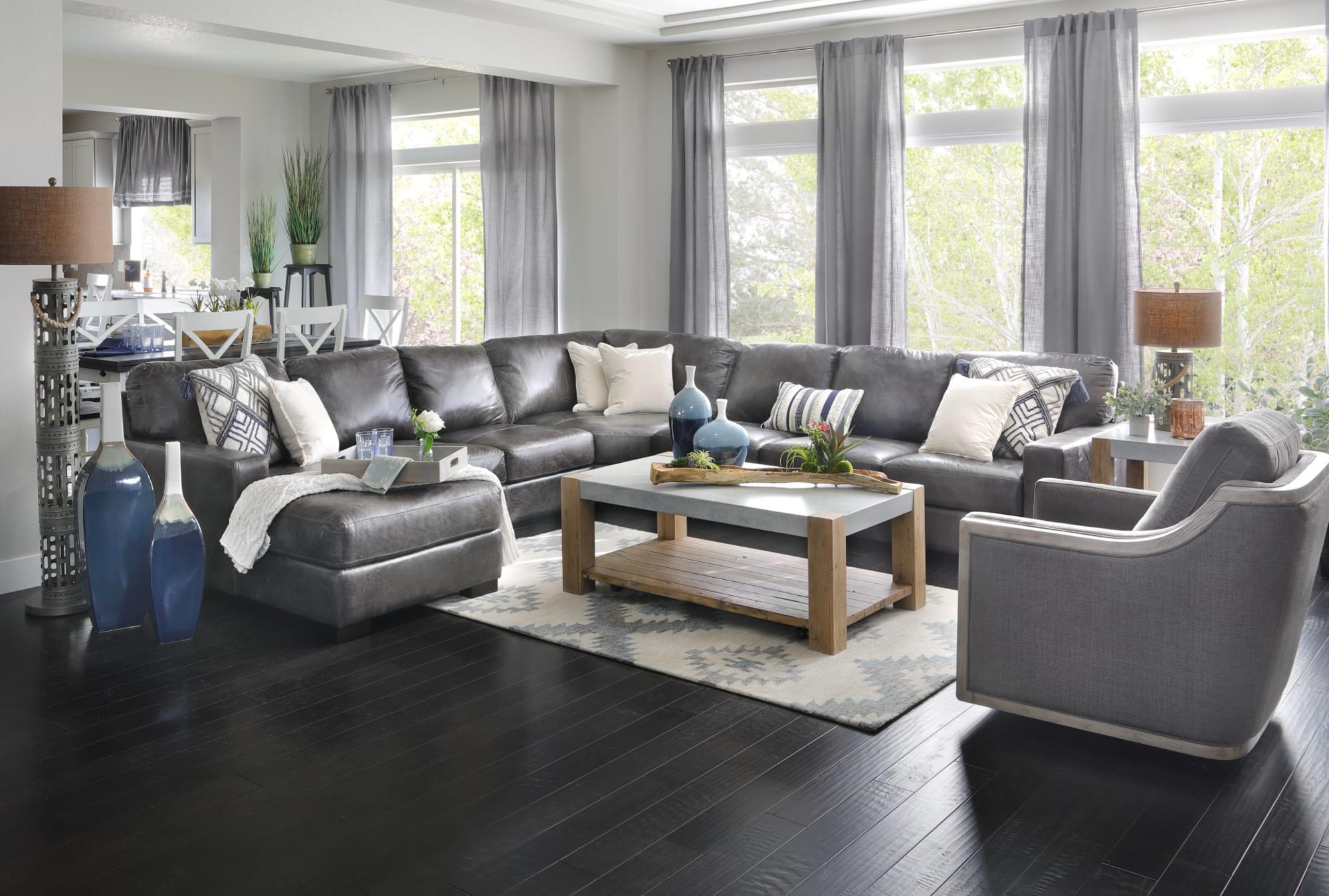
How to Shop for Leather Furniture
Shop smarter for leather furniture by learning the key differences between leather types and grades.
Rug Size and Placement Guide
Master area rug size and placement with easy dos and don’ts for living rooms, dining rooms, and bedrooms, plus pro tips for layering.
How To Style Your Sofa with Throw Pillows
Learn to style your sofa with throw pillows using balanced colors, textures, and eye-catching arrangements.
How to Shop for Leather Furniture
Shop smarter for leather furniture by learning the key differences between leather types and grades.